UK law makes 'wrongdoer judge in its own cause', says Mosley's counsel
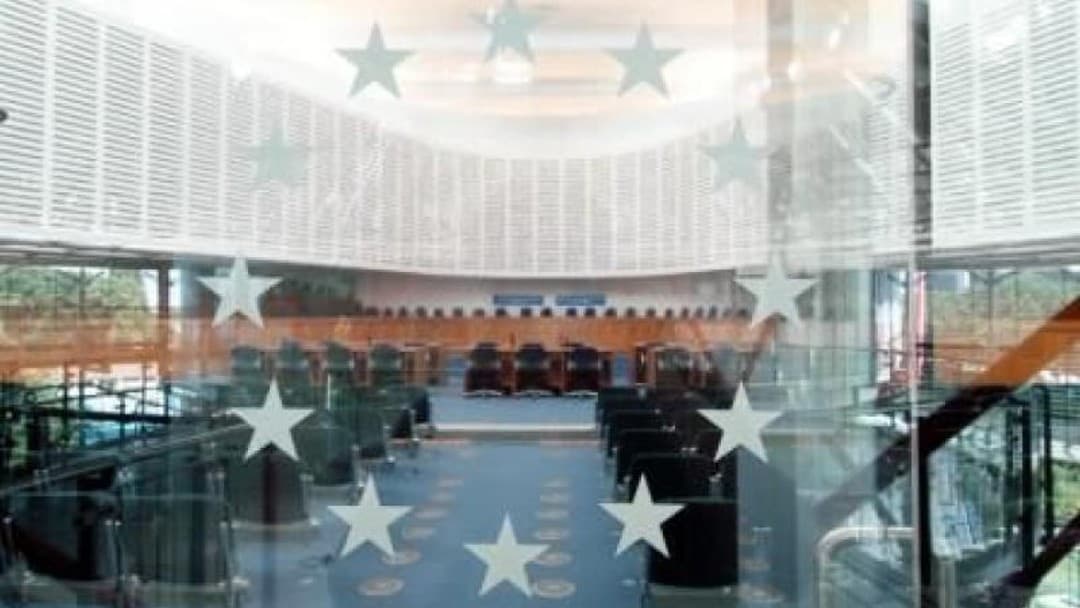
Max Mosley's counsel has dismissed claims that his argument in favour of the introduction of a pre-notification requirement in privacy cases was a “seductive oversimplification†of the issue.
Max Mosley's counsel has dismissed claims that his argument in favour of the introduction of a pre-notification requirement in privacy cases was a 'seductive oversimplification' of the issue.
Replying to James Eadie QC, acting for the UK government, during the Strasbourg hearing yesterday, David Pannick QC, for Mosley, said his argument was seductive because it was 'correct' that allowing newspapers to decide whether or not to notify individuals who were the subject of stories made 'the wrongdoer judge in its own cause'.
As he deplored the 'uniquely intrusive nature of the tabloid press in the UK', Lord Pannick questioned why, in a society that was increasingly tolerant in matters of sexual freedom and valued personal privacy, newspapers like the News of the World should 'like some journalistic Taliban be able to insist on forcing its way in to the bedrooms of consenting adults and frustrate the rule of law by preventing independent judges from protecting the right to private life'.
Oral hearings are rare before the European Court of Human Rights. James Eadie spoke first at the invitation of the judges and submitted that making pre-publication notification a requirement may be useful but was not necessary for the UK to comply with its obligation under article 8 (right to privacy) and article 13 (right to effective redress).
Eadie said that while the government had primary responsibility for striking a balance between article 8 and press freedom under article 10, the current system was compatible with the positive obligation set out in the convention.
A broad margin of appreciation was to be afforded to the government in discharging its duty under article 8, he said before warning that structural changes to the current legal framework could have a chilling effect on press freedom.
Freedom of expression had been recognised by the Strasbourg court as 'an essential foundation of a democratic society' and other convention countries satisfactorily operated legal systems that did not make it a compulsory requirement to notify individuals before publishing stories about them, he argued.
Making prior notification a legal obligation would impose 'a high and insurmountable' burden on newspapers, he continued, where existing laws on damages afforded adequate remedies.
Eadie pointed out that in this case Mosley was awarded the largest damages ever for breach of privacy, that the former FIA boss was allowed to recover his costs estimated at £420,000, and that as a matter of law there was no cap on damages in such circumstances.
He also submitted that the Mosley case had 'a salutary effect' on the media and vindicated his argument that it was untrue that the current system encouraged people not to pursue claims.
A further difficulty was the determination of the organisations subject to the duty, Eadie said, and could well cover NGOs, website publishers, and even entities such as Wikileaks.
But David Pannick, arguing that UK law was in breach of the convention, said that privacy could not be restored by court order and that introducing a prior notification requirement was the only way to comply with articles 8 and 13.
 Copyright & permissions
.jpg&w=3840&q=60)