United Living v Dovista: architect's abuse of process bid fails after earlier settlement
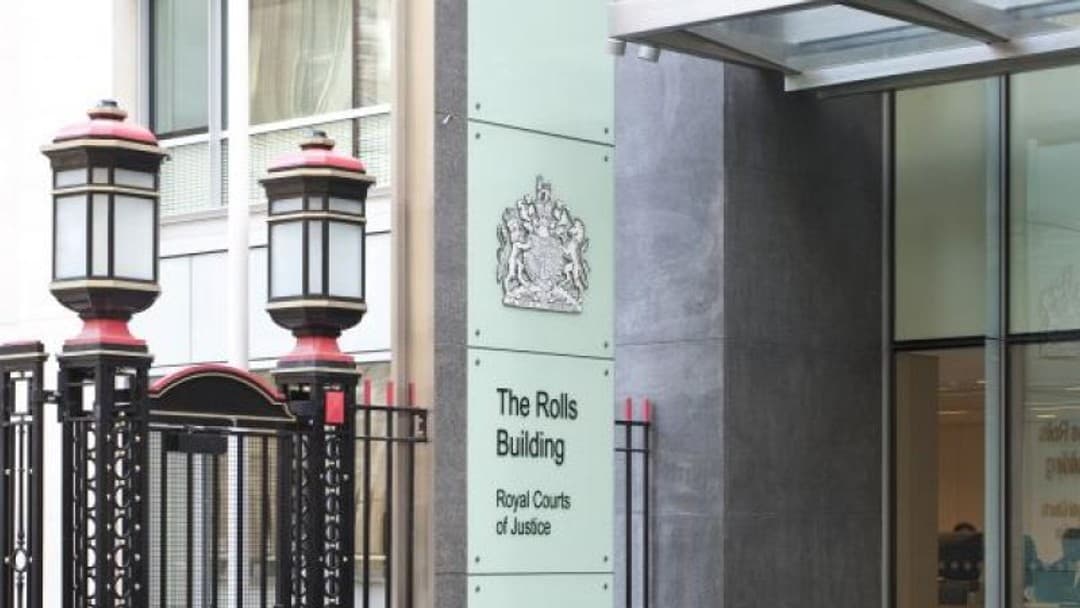
TCC refuses to strike out £7m claim against architect following earlier settlement.
The Technology and Construction Court has refused to strike out a claim worth more than £7m against an architect as an abuse of process, holding that an earlier settlement covered only the claims then in dispute. In United Living (South) Ltd v Dovista UK Ltd & Ors [2026] EWHC 2676 (TCC), Eyre J also rejected Hawkins Brown's alternative application for summary judgement on declarations that the claim had been compromised or was barred by estoppel.
United Living was the design and build contractor on the conversion of a London building, with Hawkins Brown as architect. After fire safety concerns emerged following the Grenfell Tower fire, the tenant brought proceedings against United Living, which settled and then sued Hawkins Brown and others to recover its liability. It pleaded that no claim was made for remedial work to the Velfac curtain walling, believing poor workmanship was to blame, a view the architect's solicitors had themselves advanced. That litigation settled in March 2023, with the architect paying £1.575m under a Tomlin order.
By January 2023, however, reports had led United Living to conclude that the Velfac system could not be remedied and needed replacing, and experts instructed by its solicitors saw potential grounds for a claim against the architect. Nothing was said at the February 2023 mediation or during settlement negotiations. The new claim, issued in July 2024, seeks £3.142m for replacing the Velfac system and £4.209m for defective fire protection to structural steelwork.
On interpretation, Eyre J applied the principles in ABC Electrification v National Rail Infrastructure and held that the release was confined to "the Dispute", defined by reference to the costs of "elements of the Works". Relying on Bin Obaid v Al-Hezaimi and Dawnvale Cafe Components v Hylgar Properties, he observed that parties wishing to settle future claims usually say so clearly. The Velfac claim, abandoned before particulars were served, fell outside it. Arguments based on the "Related Parties" definition, clause 9 and the entire agreement clause all failed.
The estoppel argument fared worse. The representation was inadequately particularised, and entering a settlement of particular claims could not represent that others were settled. The judge said he would have found the assertion untenable on a final determination, and declined to order a preliminary issue.
On abuse of process, Eyre J adopted Bright J's summary in Skatteforvaltningen v MCML of the Henderson v Henderson and Johnson v Gore Wood principles. The claimant accepted it could have brought parts of the claim earlier, but the judge was not persuaded it should have done so. It had genuinely abandoned the Velfac element, prompted by the architect's own stance, and was to be commended for trying repair before replacement. The new claim was a distinct cause of action, drawing on Steamship Mutual v Trollope & Colls and Co-operative Group v Birse, so the architect had not been at risk on those matters earlier. Its difficulties flowed from the passage of time, not separate proceedings.
The silence at mediation did not change that outcome. The potential claim was then inchoate, no representation of wider settlement had been made, and the architect could have sought a general release. The guidance in Aldi Stores v WSP Group was not engaged, and Ocorian Private Trustees (Jersey) v McGeoch [2026] EWHC 1575 (Ch) was distinguished.
The judge did not decide whether a finding of abuse necessarily requires strike out, but said he would have struck out the claim either way had abuse been found.
David Streatfeild-James KC and Diarmuid Laffan appeared for United Living, and Krista Lee KC and Elizabeth Donnelly for Hawkins Brown.
 Copyright & permissions