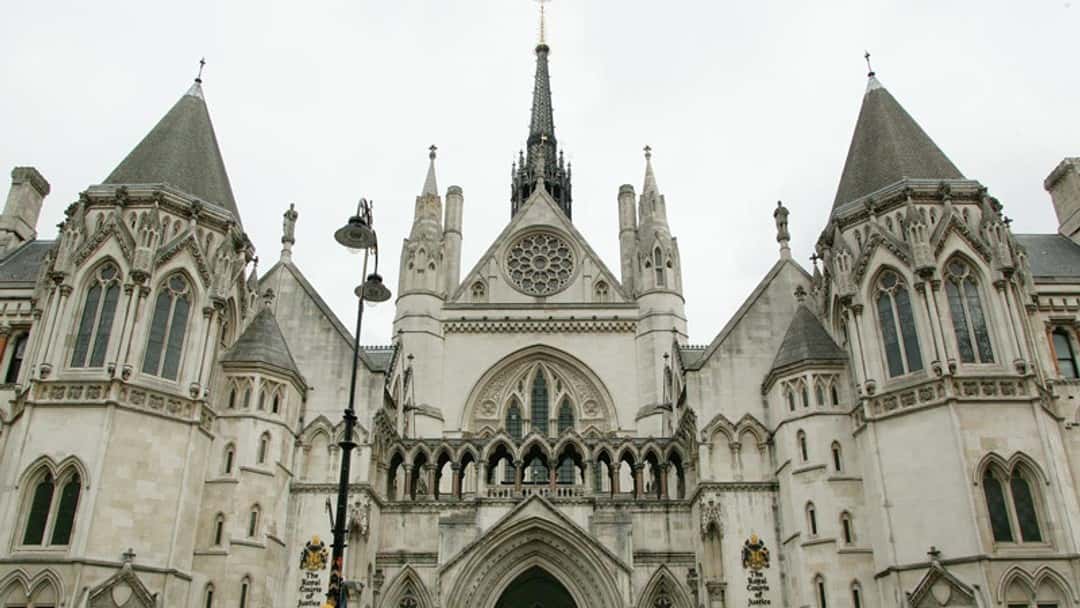
Calls for new class actions regime

Neil Purslow, Chairman of the Executive Committee of ILFA, highlighted the challenges consumers face in seeking justice and proposed a consumer class actions regime modelled on the Competition Appeal Tribunal's opt-out system that would allow individuals to unite against corporate wrongdoing
Neil Purslow stated, "Too many consumers and small businesses are harmed by the same unlawful conduct yet have no viable route to redress." He added that this regime, together with litigation funding, "would put money back into consumers' pockets at a time when the cost of living remains a pressing concern."
Currently, many consumers are left without sufficient means to pursue claims against corporations due to the small value of individual claims and the inefficiency of existing legal frameworks. Many traditional avenues for redress, such as Group Litigation Orders and regulatory enforcement, often fall short of meeting consumers' needs. As Purslow emphasised, “A consumer class actions regime should instead have a broad subject-matter scope covering the full range of consumer harms.”
The ILFA advocates adopting a system that empowers both consumers and small businesses, enabling them to seek justice collectively rather than individually, which often proves economically unfeasible. This regime would also enhance market competitiveness by holding corporate entities accountable for unlawful actions. In addition to improving access to justice, the proposed initiative could potentially yield a significant economic benefit, with estimates suggesting that enhancing the CAT could provide a sizeable annual competition dividend.
While the implementation of a new class actions regime poses its challenges, the potential for litigation funding to support these cases will be crucial for ensuring that the costs do not deter consumers from fighting for their rights. Introducing clear funding terms and efficient case management could ensure that the benefits of collective actions are maximised. The backing of investment funding is pivotal, with Purslow arguing that "without which none would be possible."
In the broader context, the lack of a collective redress mechanism in the UK stands in stark contrast to systems in regions like the EU, Australia, and Canada. This disparity raises concerns about fairness and access to justice for UK consumers. As the ILFA continues to advocate for meaningful reforms, it is clear that establishing a robust opt-out consumer class actions regime is not just a legal necessity but a vital step toward equitable treatment for consumers in the face of injustice
 Copyright & permissions