NHS compensation solutions face challenges

A report highlights the ongoing struggle of NHS compensation spending, emphasising systemic issues rather than quick fixes
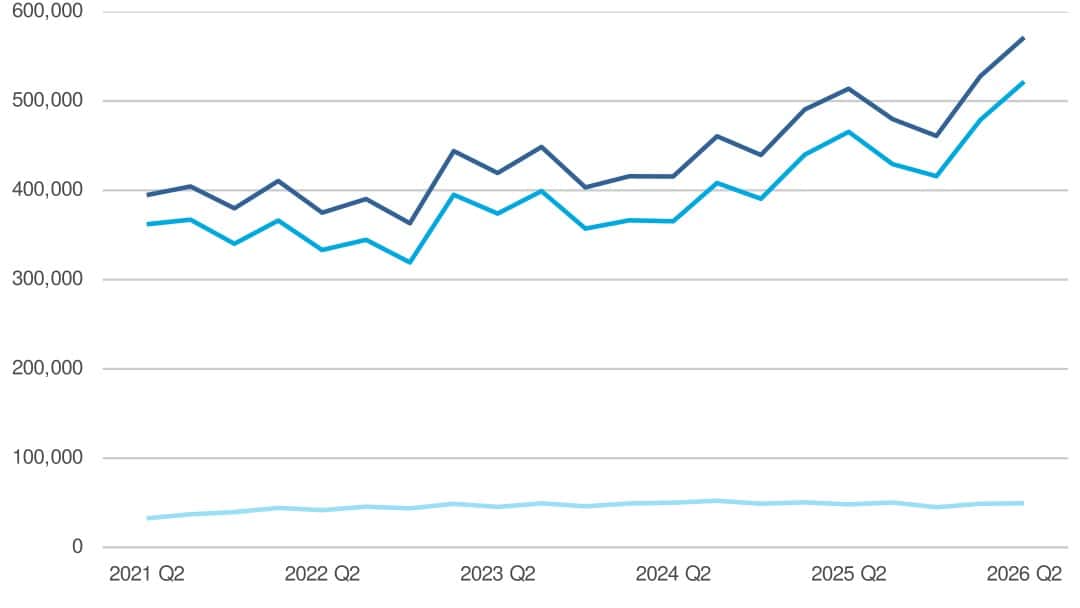
A recent report by the Association of Personal Injury Lawyers (APIL) has highlighted critical concerns in the NHS compensation system. Presented to MPs in Westminster, the report reveals that preventing just ten cases of catastrophic harm due to NHS negligence could save the health service £112 million. This research arrives ahead of a government announcement expected this autumn concerning spending on NHS clinical negligence compensation claims, prompted by recommendations from the Public Accounts Committee.
APIL president Guy Forster stated that “a huge component of the NHS’s compensation bill is for avoidable harm in maternity care. The children in these cases are some of the most catastrophically injured patients we see.” He further expressed that “the cost of looking after a brain-damaged child for life is inevitably expensive.” Last year, NHS Resolution documented 252 cases of cerebral palsy and birth brain injury.
The report criticises proposed legal reforms that could complicate compensation claims. Suggested changes include limiting victims' rights to claim for the costs of private treatments and therapies, a move Forster believes would be misguided. “To force injured patients to rely on the NHS for their recovery and ongoing needs would be a huge misjudgement,” he explained. This approach, he noted, could exacerbate pressures on the NHS and hinder access to necessary treatments available through private care.
Forster also stressed that “only a tiny fraction of compensation spending is affected by this element of claims, so any savings would soon be unnoticeable.” He firmly stated, “the reality is that there is no radical ‘silver bullet’ solution which would achieve any significant savings, except to reduce the avoidable failures in care which cause harm, upheaval, and suffering to patients and their families.” He added, “anything else would only tinker around the edges and deny victims proper care, recovery, and access to justice.”
Moreover, APIL advocates for greater transparency within the NHS, emphasising the importance of the proper implementation of the statutory duty of candour. The report urges for improved efficiencies in the legal claims processes to alleviate delays in settlements. Ultimately, Forster concluded, “when you examine the evidence, it always boils back down to the need to cut the harm. The savings will then follow.”
 Copyright & permissions





.jpg&w=3840&q=60)