



Infected blood – the fight for justice goes on
By Des Collins
Des Collins reflects on the Infected Blood Inquiry (IBI)
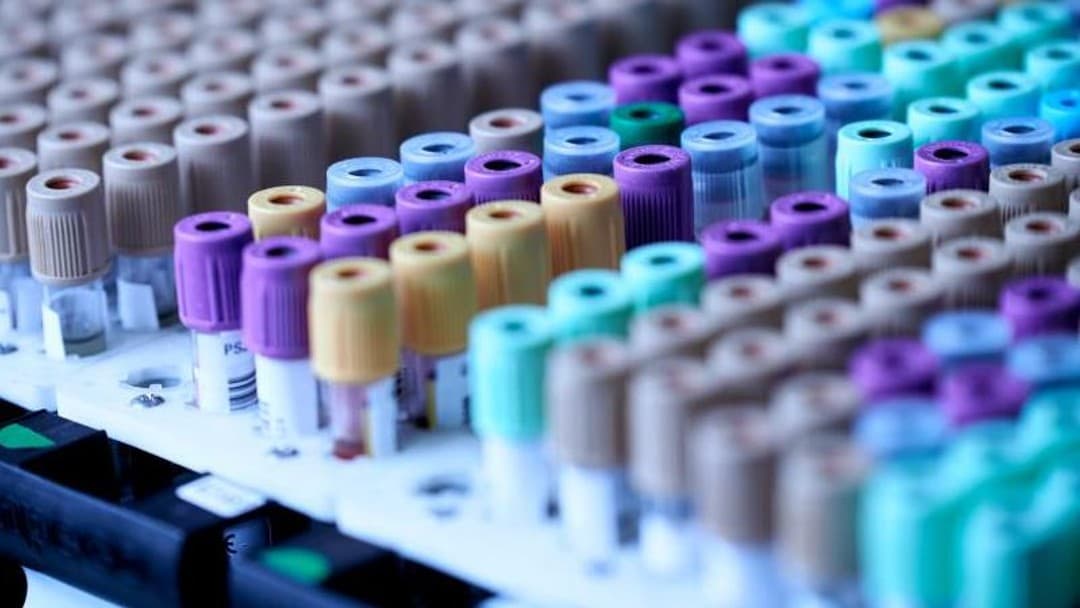
One of Boris Johnson’s last acts as Prime Minister was to announce interim payments of £100,000 to those infected with Hepatitis C, HIV or both as a result of treatment with infected blood products. Only those who are infected and still alive will receive a payment. Some bereaved widows who are registered with relevant support schemes will also benefit, but most bereaved families are completely excluded.
The payments will delivered by the end of October – and are, of course, extremely welcome by those in scope. Yet, while this is an important development in the long battle for justice in the infected blood scandal – and the words in the Government’s accompanying press release suggest the tide may at last be turning – it is nevertheless only a step in progress. These interim payments are by no means the end of the story in the campaign for proper and meaningful compensation for all victims – including those who have lost children, parents and other family members.
Background
My firm started looking at the infected blood scandal in 2017. We decided Government attempts to fob victims off with derisory payments was wrong and lodged an application for a GLO in July 2017 based on the argument of misfeasance in public office. Shortly before this, Andy Burnham, as outgoing MP for Leigh, used his final Parliamentary speech to question the Government’s historic veil of silence over infected blood. He described it as a “criminal cover-up on an industrial scale” and called-out the fact victims had been treated as “guinea pigs.”
Burnham’s intervention, together with the pressure of our GLO application, were factors in Theresa May’s finally announcing a statutory public inquiry in July 2017. The Inquiry is still ongoing –
and is now expected to conclude in early 2023, with its final report to follow later next year.
Inquiry effectiveness
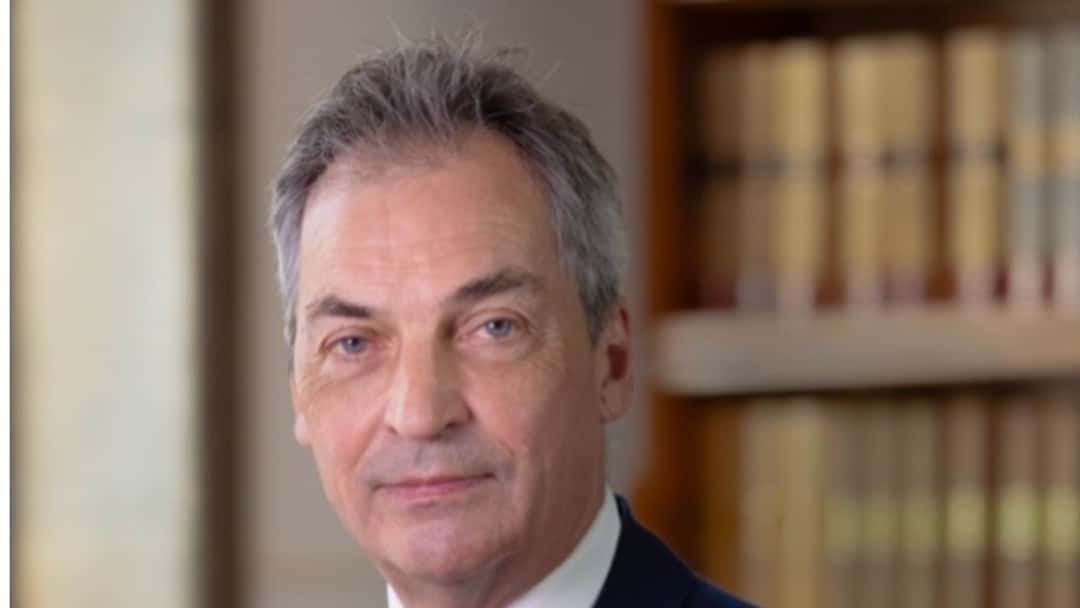
Some say public inquiries are talking shops that delay justice, drain the taxpayer and are ultimately ineffective. While no inquiry is perfect, the value of the infected blood inquiry has been clear. What we have heard from victims, medics, politicians and civil servants alike has overwhelmingly shown that our public health system failed the 4,000 people who became infected with HIV and Hepatitis in the 70s and 80s as a result of infected blood products. And the evidence has been so insurmountable that it has been obvious for months the government must be held to account for what went on. Why else would Inquiry Chair Sir Brian Langstaff take the unusual step of recommending the above mentioned interim payments before the inquiry has even concluded? Let’s not also forget that three former Health Ministers – Andy Burnham, Jeremy Hunt, and Matt Hancock – voiced their support for this.
Where do we go from here?
In some ways, the widespread media attention surrounding the interim payments announcement in August is a double-edged sword. We must educate the public the payments are not in fact proper compensation to all who have suffered as a result of the infected blood scandal.
 Copyright & permissions





.jpg&w=3840&q=60)

-cropped-6au25meu.jpg&w=3840&q=60)
.JPEG&w=3840&q=60)

