Law Commission seeks to reform product liability laws
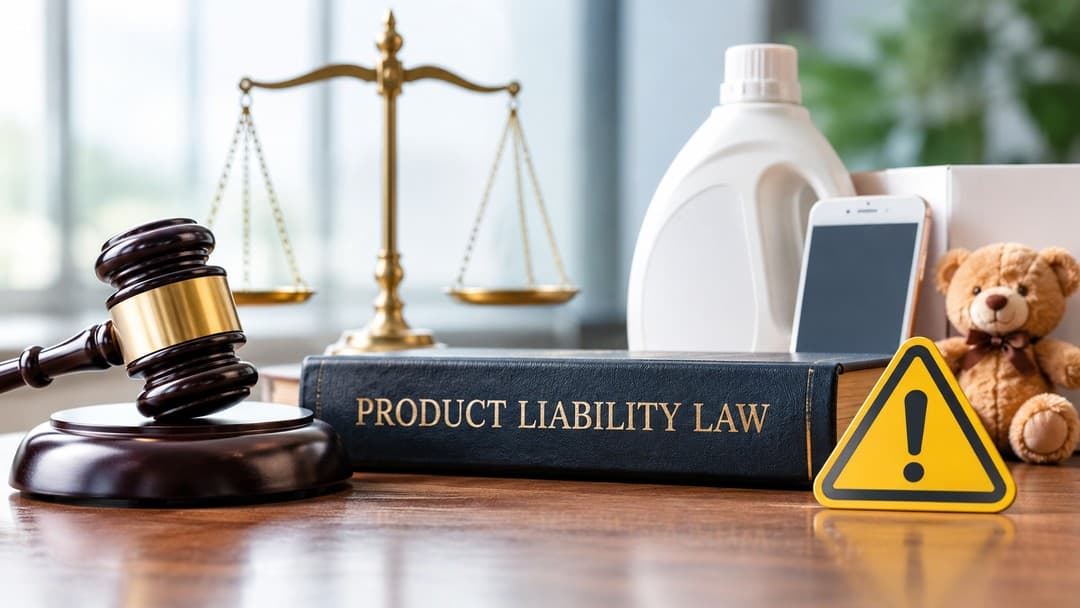
The Law Commission is consulting on reforms to product liability law to adapt to digital changes
The Law Commission has announced a consultation aimed at overhauling product liability law to ensure its relevance in an increasingly digital world. With the original legislation dating back almost 40 years, it has struggled to adapt to the rapid changes driven by technology, including smartphones, apps, and artificial intelligence. The proposals intend to modernise the definition of a “product” to encompass software, AI systems, and the intricacies of online platforms, thus providing clearer guidelines for when victims can claim compensation for defective products.
Among the key amendments proposed is an expansion of what constitutes a product. The Law Commission suggests that software and AI systems should be treated as standalone products, regardless of whether they are supplied directly or downloaded. Additionally, the design features of social media platforms, including algorithms, would also come under scrutiny. This change aims to safeguard consumers while reflecting contemporary purchasing habits, particularly the rise of online marketplaces.
To further enhance consumer protection, the Commission plans to clarify conditions under which compensation is available for psychiatric injuries linked to defective products. This aspect is particularly crucial as technology continues to evolve, posing new risks to mental health. The proposals gauge how consumers, whether directly impacted by a defective product, or those suffering indirectly from witnessing harm, can seek recompense.
Professor Solène Rowan, Commissioner for Commercial and Common Law, highlighted the urgency for reform by stating "The law governing defective products was introduced long before smartphones, social media and artificial intelligence became part of everyday life." She added that “as technology evolves, the law must evolve with it,” emphasising the need to balance consumer rights with the interests of businesses in the tech sphere.
To simplify the complex landscape of product liability, the Commission recommends a set of guiding principles for courts assessing product defectiveness. This is designed to increase consistency in legal rulings and reduce litigation costs. Furthermore, to address cases where obtaining evidence of defectiveness is particularly challenging, a presumption of defect could be introduced, allowing compensation to be awarded under a new risk-sharing mechanism.
Importantly, the reforms aim to preserve equity for businesses, retaining updated defences that may exempt producers from liability in certain scenarios. These include the so-called "development risks" defence, which protects producers against claims for defects that could not have been identified at the time of sale.
The Law Commission is actively seeking input from a diverse array of stakeholders, including consumers, businesses, and legal experts, to refine and enrich the proposals. The consultation will close on Thursday 14 January 2027, with the final recommendations expected to be published in late 2027. Interested parties can engage with the consultation via the Law Commission's website or by email, inviting a broad conversation on the future of product liability in the digital age.
 Copyright & permissions
.jpg&w=3840&q=60)

-cropped-6au25meu.jpg&w=3840&q=60)





.JPEG&w=3840&q=60)