Crime rates rise as digital threats grow

The latest statistics reveal significant increases in fraud and domestic abuse as society grapples with evolving challenges
The Office of National Statistics recently published its Crime in England and Wales statistics for the year ending June 2026, revealing alarming trends in crime rates. Notably, fraud has surged by 11% compared to the previous year, while computer misuse has escalated by a staggering 23%. Additionally, around 4.7 million individuals, or 9.6% of those aged 16 and over, are estimated to have fallen victim to domestic abuse in the year leading to March 2026, an increase from 7.8% reported in previous statistics.
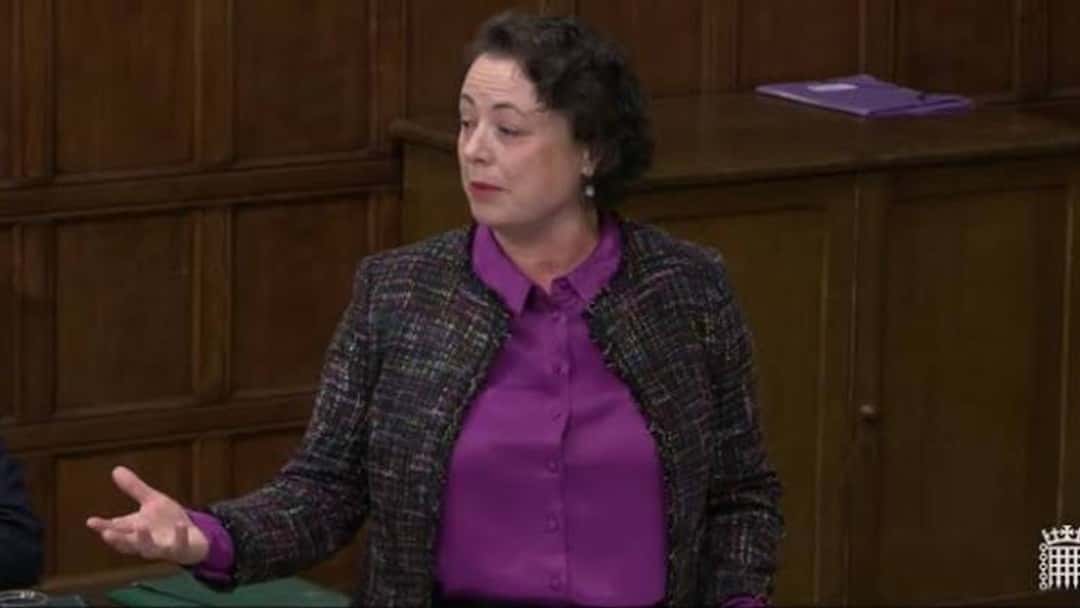
Rebecca Smart, Criminal Legal Director at Payne Hicks Beach, offered insight into these concerning trends. Addressing the rise in fraud and computer misuse, she stated "Fraud has become the crime of the digital age, yet much of our legislative framework was designed for a very different world." Smart elaborated that current laws, law enforcement strategies, and the criminal justice system are struggling to keep up with the rapid technological advancements affecting society.
She noted that for many offenders, modern technology has simplified criminal activity, making it easier to perpetrate, difficult to pinpoint, and less risky than ever before. Smart continued, "Essentially we need modernised cybercrime legislation, greater investigative powers and resources, and closer collaboration between law enforcement, technology companies and financial institutions if we are to keep pace with increasingly sophisticated digital criminals."
Regarding domestic abuse, Smart shared her thoughts on the rising statistics, saying, “The domestic abuse figures make for sobering reading, but greater awareness may also be enabling victims to recognise psychological, emotional and economic abuse for what it is.” She pointed out significant legislative shifts, such as the introduction of the offence of controlling or coercive behaviour in 2015 and the Domestic Abuse Act 2021, which broadened the definition of domestic abuse to include various forms of harm.
Smart explained that while society is improving its understanding of abuse, technology is granting perpetrators new methods to control victims. “At the same time, technology allows perpetrators to monitor, track and control victims remotely, long after relationships end,” she remarked. She emphasised the importance of ensuring that protective measures evolve rapidly alongside these threats, warning that delays in court can leave victims waiting far too long for justice.
In summary, the latest crime statistics highlight the urgent need for updated legislation and resources to respond effectively to the challenges posed by modern technology while addressing domestic abuse with the necessary urgency and awareness
 Copyright & permissions