

UN urges UK to end IPP sentences
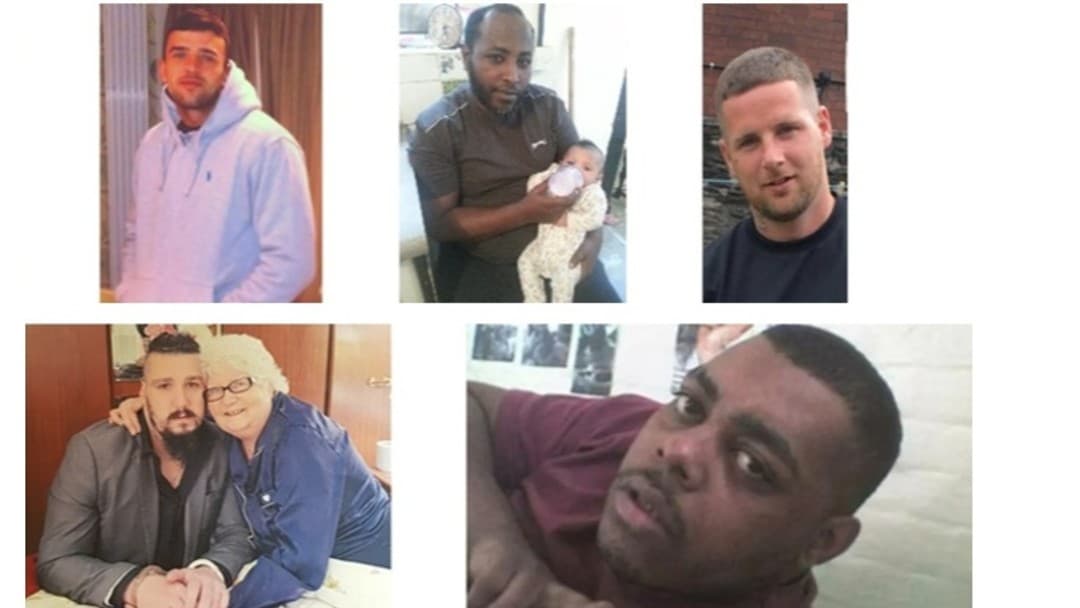
The United Nations has deemed the UK government's IPP sentences arbitrary and called for immediate investigations into longstanding injustices
The United Nations Working Group on Arbitrary Detention (UNWGAD) has published a critical legal opinion regarding the Imprisonment for Public Protection (IPP) sentences, labelling the ongoing detention of five inmates as arbitrary. Among the notable cases highlighted is that of Josh McRae, who tragically passed away in custody after serving more than 16 years for a four-year tariff related to grievous bodily harm. The UNWGAD has called for urgent investigations into these matters, emphasizing that the UK government has failed to demonstrate valid reasons for the continued detention of these individuals.
The IPP sentences were introduced by the Labour government in 2005, ostensibly as a measure to enhance public safety. However, the sentences were abolished in 2012 due to widespread criticisms concerning their implementation and the psychological toll they imposed on inmates, yet they remained in effect for those already sentenced. The UNWGAD described this as "the greatest single stain on the British Justice system", noting that significant numbers remain imprisoned under these sentences that lack justification.
In its findings, the UNWGAD pointed to a flawed Parole Board review process, which has failed to allow prisoners adequate opportunities to challenge their detention. It highlighted the adverse psychological impact of indefinite detention, as stated: "the structural circularity...generates behaviours and presentations that are relied upon as evidence of continued risk". The Working Group also condemned the treatment of Abdullahi Suleman, who, despite requiring psychiatric treatment, was detained in a standard prison setting.
A heart-wrenching aspect of the IPP sentences is the tragic reality that 140 individuals have taken their own lives either during their incarceration or shortly after their release since the introduction of these sentences. Currently, 2,271 prisoners are still serving IPP sentences, with many having been incarcerated well beyond their minimum tariffs for crimes that ranged from theft to robbery. Alarmingly, it is estimated that the cost to taxpayers for holding these prisoners will exceed £1.6 billion since the abolishment in 2012.
The UN's legal opinion came in response to a landmark complaint by campaigners and legal experts advocating for the rights of the five IPP prisoners, outlining individual circumstances that reveal this systemic failure of justice. The complaint underscores a severe injustice: one prisoner has been detained for 19 years for the theft of a mobile phone, a minor offence that raises profound questions about proportionality in sentencing.
The UNWGAD has called on the UK government to carry out comprehensive investigations into these egregious violations of rights and to ensure that those affected receive justice. Recommendations include an urgent review of the cases of Leroy Douglas, Shaun Anton Lloyd, Abdullahi Suleman, and Wayne Williams. Furthermore, it has called for accountability regarding the circumstances surrounding Josh McRae's death.
International figures have echoed the UNWGAD's sentiments, with UN Special Rapporteur on Torture, Alice Edwards, describing the IPP system as "inhuman" and "degrading". Calls for legislative reform have intensified, with experts warning that inaction from Parliament could result in further tragedies, stating that if changes are not made, it would leave lawmakers with "blood on our hands".
Advocates for the affected families have voiced their anguish. Dr Muin Boase, a barrister familiar with the cases, stated that the UN opinion was a powerful dismissal of the UK government's attempts to defend the IPP system, emphasising the moral and psychological devastation it has wrought on inmates and their families.
Families of those imprisoned have expressed their heartbreak over the situation. Shirley Debono, mother of Shaun Anton Lloyd, lamented the trauma endured under the IPP system, highlighting the longstanding psychological harm inflicted by this outdated policy. She passionately called for the government to act swiftly to address these injustices and ensure the timely release of those who have suffered enough.
Social justice advocates remain resolute in their demands for reform, urging immediate legislative changes to rectify this deeply entrenched issue, advocating for the release of all unjustly detained prisoners under the IPP system, while welcoming the UN's intervention as a beacon of hope amidst prolonged suffering.
 Copyright & permissions






.jpg&w=3840&q=60)

