Tripwire South LLC v Astor International: freezing order survives material change challenge
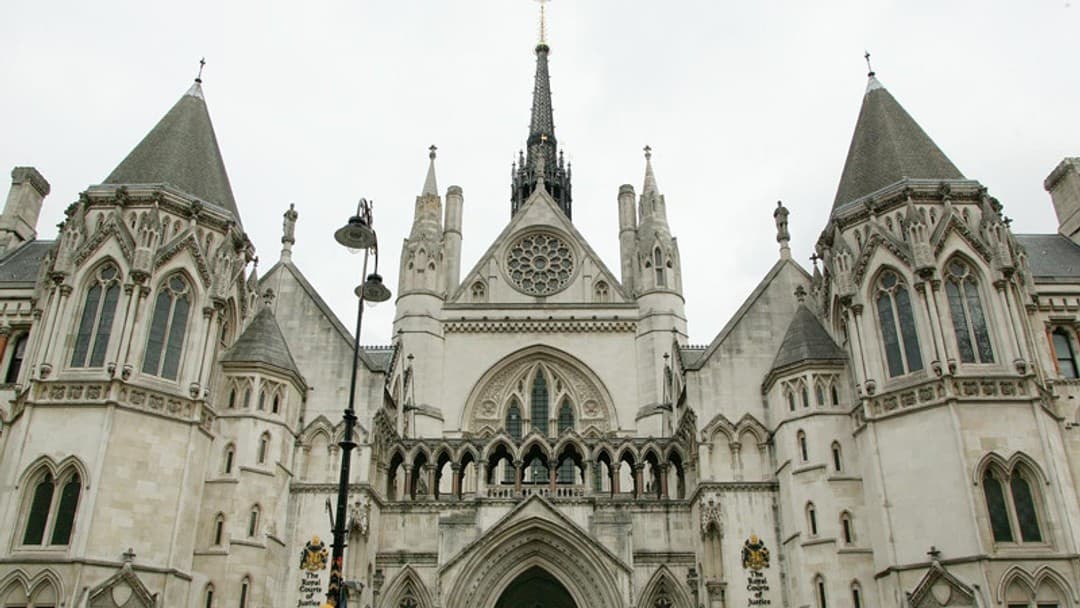
Eight alleged changes of circumstances fail to unseat a continued freezing order in a high-value explosives contract dispute.
The High Court has dismissed an application to discharge or vary a freezing order in Tripwire South LLC v Astor International Limited & Ors [2026] EWHC 1092 (KB), with Mr Justice Mansfield rejecting all eight grounds advanced by the defendants, both individually and collectively.
The underlying claim concerns the sale and purchase of explosives across three transactions — the Global Deal, the MOD Deal, and the Orica Deal — with Tripwire alleging breach of contract, deceit, unjust enrichment, tortious interference, and unlawful means conspiracy. A freezing order had been granted without notice in October 2025 and continued by Cotter J following a contested return date hearing in November 2025.
The material change of circumstances threshold
Mansfield J reaffirmed the well-established principle from Chanel Ltd v F W Woolworth & Co Ltd [1981] that a party cannot relitigate a decided matter without demonstrating a significant change in circumstances or the emergence of facts that could not reasonably have been discovered earlier. Applying the formulation in The Processing Centre Ltd v Pitney Bowes Ltd [2017], the court emphasised that any such change must bear a causal connection to the injunction and the reasons for varying it — a change that might simply lead a different judge to a different conclusion is insufficient.
Banking difficulties fall short
The defendants contended they had been effectively "debanked" by Barclays following the order, and that worsening conditions since February 2026 constituted a material development. Mansfield J was unpersuaded. Barclays had conducted a routine periodic review, unconnected to the freezing order, which the defendants had failed to engage with despite repeated requests. Critical payments were ultimately processed on 15 April 2026. The disruption was found to be either within the scope of what Cotter J had already contemplated and weighed, or attributable to the defendants' own failure to respond to standard due diligence enquiries.
The related argument — that the defendants could not obtain replacement banking — rested on a single consultant's email, filed after the application was issued, lacking detail on efforts made. The court was not satisfied that it would be impossible to obtain new facilities, nor that the Barclays relationship had become untenable.
Further grounds rejected
The collapse of proposed financing from Colbeck Capital, said to have caused the loss of the TNT2 explosives contract, was dismissed as not new: Cotter J had expressly addressed the risk of funding difficulties and the potential loss of that contract in his original balancing exercise. The court went further, finding the evidence of TNT2's termination itself "surprisingly unsatisfactory" — the sole document relied upon was a conditional warning letter from the counterparty, not a termination notice.
Allegations that the claim was being funded by a competitor, Marine Defense Packaging, rested entirely on an account of a telephone conversation. Both Tripwire and Marine Defense denied any commercial relationship. Mansfield J found this insufficient to constitute a material change and declined to accept that a competitor's unconnected commercial activities amounted to "weaponisation" of the order. Pending US proceedings against Tripwire in Pennsylvania and Florida — said to cast doubt on the merits of the underlying claim — were similarly found to raise no more than disputed allegations in other jurisdictions, insufficient to alter the court's assessment of justice and convenience.
The defendants' application to substitute undertakings for the injunction was also refused. Having chosen to contest the order at the return date, the defendants could not retrospectively reframe the outcome through a later procedural step. The court observed that a sophisticated counterparty would understand the position remained materially unchanged.
The application was dismissed in its entirety.
 Copyright & permissions