
The dawn of the Ephgrave era: challenges and opportunities at the SFO
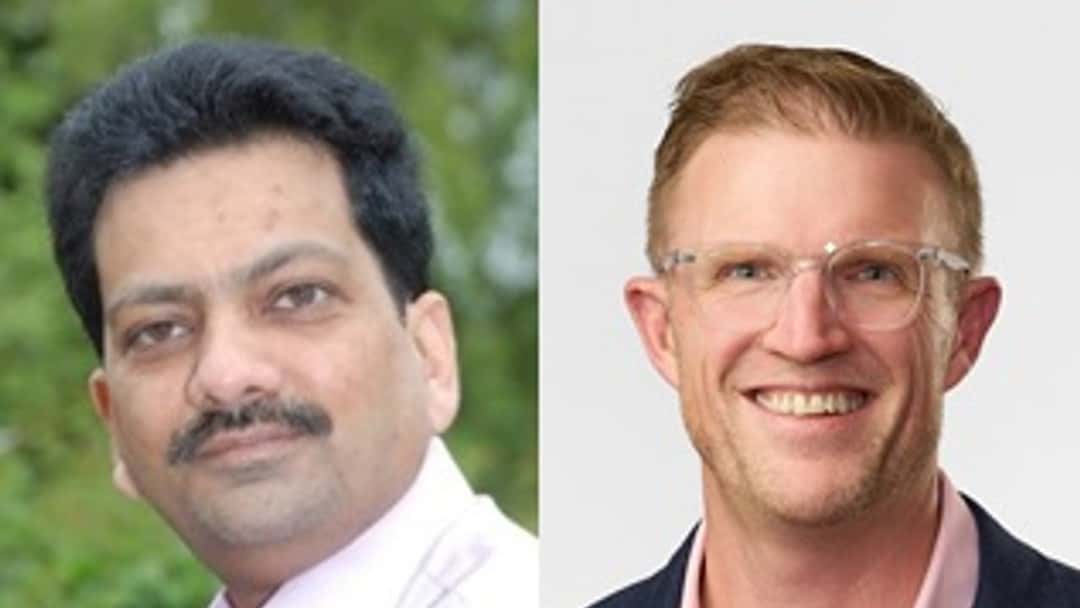
By Anoushka Warlow and Annabell Hood
Anoushka Warlow and Annabell Hood take a look at the issues faced by Nick Ephgrave, the incoming director of the Serious Fraud Office
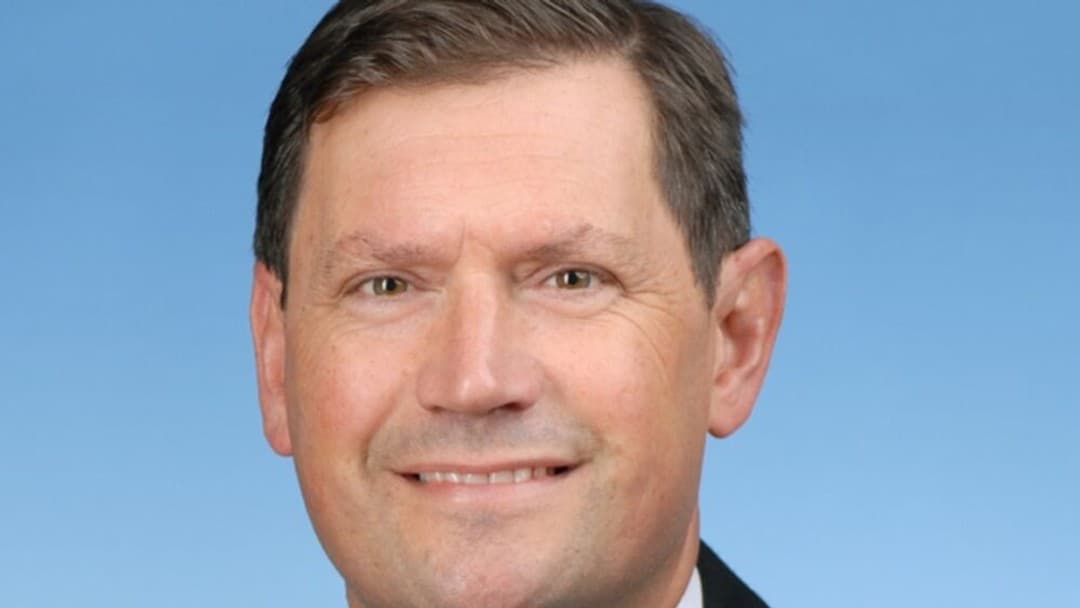
Nick Ephgrave, former assistant commissioner of the Metropolitan Police, is due to take the helm as the new director of the Serious Fraud Office (SFO) at the end of September. Ephgrave takes over from Lisa Osofsky, whose five-year term was marred by controversies, most notably her role in the agency’s bribery case against Unaoil. Ephgrave's appointment breaks the long-standing practice of appointing lawyers to the role. With extensive experience in policing and investigations, the ‘Ephgrave era’ is expected to herald an SFO in active pursuit of new investigations.
Osofsky has started to clear some of the decks for Ephgrave’s arrival, announcing the closure of two of the SFO’s longest running investigations to date, Rio Tinto and ENRC (the latter also being one of its most controversial). But Ephgrave will inherit several immediate and prevalent issues which he will need to confront and resolve. We take a look at his to-do list:
1. Navigating Disclosure
The recent high-profile collapses of the SFO’s trials in Serco and G4S, and the quashing of three ‘unsafe’ convictions in Unaoil, demonstrate what appears to be a recurring inability of the SFO to manage its duties of disclosure in data-heavy cases.
Ephgrave will have experience dealing with disclosure in his policing career. However, in a 2018 article, he discussed the difficulties presented by the seizure of digital devices containing the equivalent of 30,000 pages of evidence. The SFO is a different league. In the Glencore investigation, the SFO reportedly reviewed over a million documents. The Rolls-Royce case contained over 30 million.
Osofsky advocated for reforms to the disclosure process in complex cases and the SFO is currently engaged in consultation on the topic. Recently, HM Crown Prosecution Service Inspectorate announced its own inspection into SFO disclosure processes. With disagreement as to the way forward, and calls mounting for a return to the pre-1996 ‘keys to the warehouse’ approach, Ephgrave will need to work out where he sits on this fundamental point and ensure that the SFO is not dogged by disclosure issues in the cases it has decided to prosecute.
2. Deciding whether to prosecute individuals
Osofsky's tenure was criticised for prioritising corporate resolutions over holding individuals accountable. For example, in a significant success during her term, Glencore pleaded guilty to substantive bribery and failure to prevent bribery charges.
Given Fraser J’s sentencing remarks that senior Glencore individuals were "closely involved" in corruption, Ephgrave will be feeling the pressure to prosecute individuals and secure their conviction. The SFO has indicated its intent to decide whether to charge 11 former Glencore employees by the end of 2023. How Ephgrave chooses to act will be indicative of his direction for the SFO, which has thus far secured notably few individual convictions following corporate resolutions.
 Copyright & permissions