Sir Keir Starmer resigns as Prime Minister
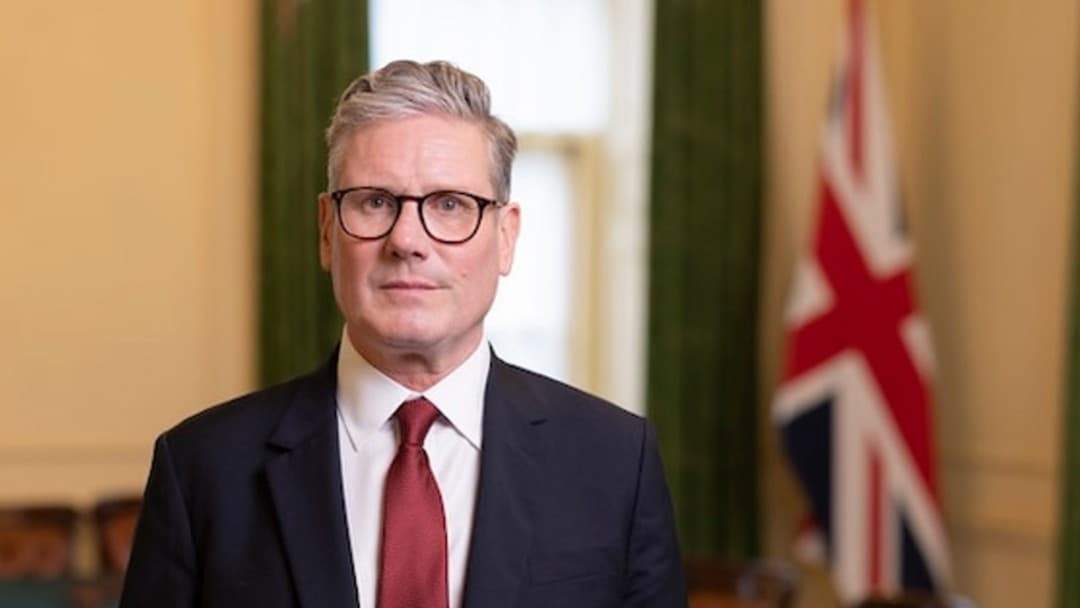
Sir Keir Starmer has stepped down as Labour leader and Prime Minister, triggering leadership nominations soon
In a significant political shake-up, Sir Keir Starmer has resigned as Leader of the Labour Party and UK Prime Minister. His departure comes just over two years after leading Labour to victory in the 2024 general election. In a speech today, Starmer announced his resignation, stating that nominations for the next Labour leader will open on July 9 and close on July 16. If a candidate is unopposed, they will be confirmed as leader by July 18, while an opposed candidate could see a contest that results in a new Prime Minister selected by September 1.
Peter Ware, Partner and Head of Government at UK and Ireland law firm Browne Jacobson, remarked on the implications of Starmer's resignation. He said, “Sir Keir Starmer's resignation will prompt a rush to define his legacy, but for those working in and with the public sector, there is a genuine record of structural ambition worth acknowledging.” Ware highlighted the English devolution programme as a pivotal shift in local government, noting that the transition from a two-tier to unitary authority structure, along with an increase in mayoral strategic authorities, aims to empower local areas in shaping their own economic futures.
Another noteworthy policy championed by Starmer’s government has been planning reforms. Ware explained, “Arguably the most ambitious policy brought forward by this government is in planning reforms, featuring the Planning and Infrastructure Act as well as the most significant changes to the National Planning Policy Framework since its inception.” He acknowledged the challenges these reforms face but insisted they could be transformational for housing and infrastructure development in the long term.
Additionally, the commitment to social housing, characterised by the largest public investment in half a century, signifies a shift in national priorities, although the government has faced criticism for slow implementation on the ground. Ware cautioned that transitions in leadership often raise concerns over the future of long-term projects, saying, “Whenever there is a change in leadership, there will always be concerns that long-term projects already underway could be undone.”
He emphasised the need for the next leader to recommit to existing workstreams to mitigate potential damage. As he noted, “The biggest challenge for this government has been the erosion of a coherent, communicable vision.” The pressure of fiscal constraint and political turbulence has led to a gradual loss of direction in the government’s mission-driven programme.
Looking ahead, Ware asserted it is vital for the next Prime Minister to establish a fresh vision that is both ambitious and actionable. He stressed that this cannot merely involve restating past goals, but requires creating a delivery framework that instils credibility in those goals. He stated, “Critically, this means honesty about the tools needed for government to succeed in its ambitions.” Ware underlined the importance of investment in social infrastructure and the role modern public-private partnership models could play while advocating for clarity in messaging so the market can respond effectively.
 Copyright & permissions