

Regional mayors may gain water company control
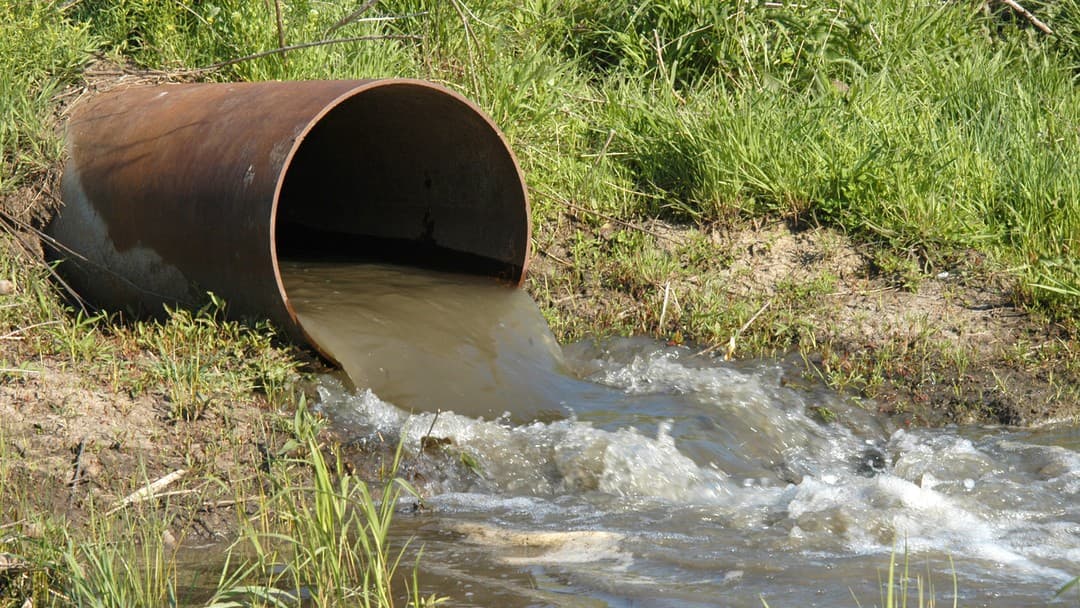
Regional mayors could soon oversee water companies as part of proposed reforms by the government
Reports suggest that regional mayors and local political leaders might soon be entrusted with the supervision of water companies in the UK. The initiative, driven by the Prime Minister, is set to create nine new regional bodies. These bodies will be responsible for strategic planning, setting goals, and ensuring that water companies operate accountably. This move aligns with the recommendations made in June 2025 by Sir John Cunliffe’s Independent Water Commission, which urged for transformative changes in the sector.
Steve Gummer, a partner and head of the energy and infrastructure team at law firm Sharpe Pritchard, expressed his support for this proposal. He stated “This is exactly the right proposal. What is needed is the practical way to start delivering Cunliffe now, without losing years to unnecessary organisational upheaval.” Gummer emphasised that the focus should be on reforming regulation rather than merely restructuring existing institutions. He cautioned against an expensive and time-consuming reorganisation that could resemble “an expensive version of musical chairs.”
Highlighting the importance of enhancing regulatory frameworks, he remarked that existing regulators like Ofwat have the necessary personnel and expertise. He urged that what is needed is “to give them the mandate, resources and coordination needed to act now.” He believes that with the right investment, the country could establish an efficient regulatory system.
Gummer also pointed to the necessity of shifting towards a model where water services are transparent and accountable to regional stakeholders, adding that “This is critical.” He called for the strengthening of a permanent integrated regulator and greater involvement of mayors and local leaders. He noted that several combined authorities have already demonstrated effective collaboration with water companies, suggesting that this model could be expanded to empower local authorities with genuine authority.
In concluding his perspective on the government's proposal, Gummer argued that it represents “not a compromise,” but rather “a faster and more radical route to reform: improve regulation now, prove the model and build the permanent structure around what works.” His insights reflect a clear call for immediate action to enhance water regulation, ensuring that local leaders play an integral role in managing one of the country's most vital resources.
 Copyright & permissions









.jpg&w=3840&q=60)

