Local voices will guide water management
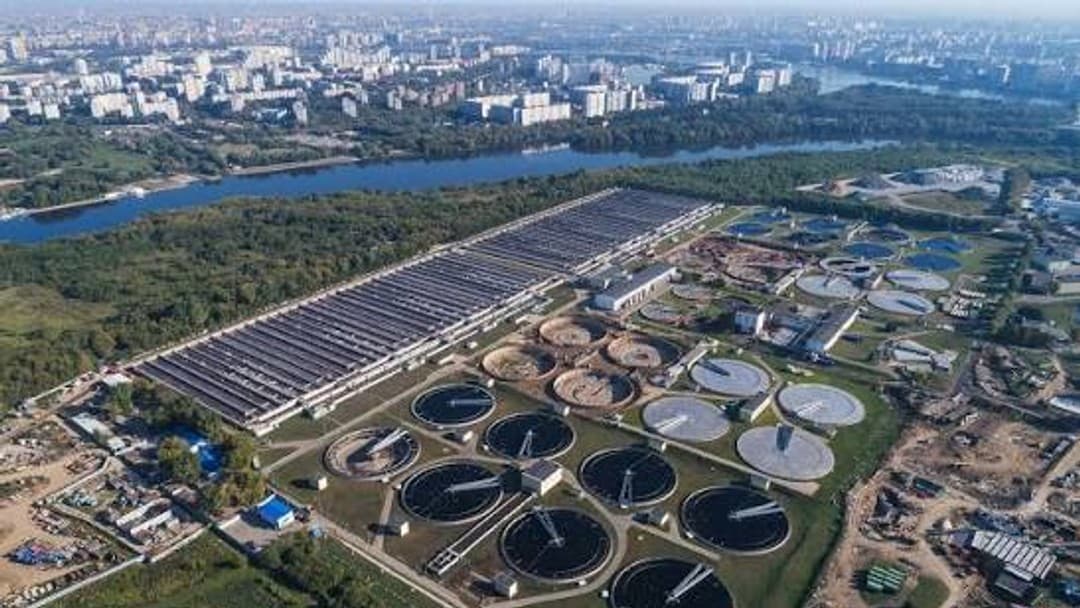
The Prime Minister has unveiled plans to empower local communities in water management through new councils
In an initiative aimed at enhancing local governance over water management, the Prime Minister has announced the establishment of eight regional councils across the UK. These councils are designed to provide a platform for local citizens to express their needs and priorities regarding services from their water companies. Each council, comprising 10 to 15 members, will include a diverse representation of local authority leaders, mayors, customers, farmers, and developers, ensuring that various perspectives are heard.
The councils will focus on regions defined by river basins and water supplies, allowing communities to have a say on issues that directly affect them. Allan Owen, infrastructure partner with law firm Sharpe Pritchard comments “Giving communities a stronger voice in how water investment is prioritised is a positive ambition. Different areas face different pressures, whether that is river quality, flooding or water supply resilience. But the success of new regional councils will depend on whether that local voice can be translated into improved outcomes rather than simply adding another layer to an already complex regulatory and planning framework.”
Owen highlights that while the initiative presents an opportunity for stronger local representation, it also raises concerns regarding potential conflicts with broader regional water infrastructure needs. He notes, “A tension might also arise between local priorities and the increasingly regional and strategic nature of water infrastructure. New reservoirs, water transfers and other major resilience schemes frequently impose costs or impacts in one area while delivering benefits across a much wider region.”
The challenge, according to Owen, will be ensuring that local input does not hinder the strategic decisions necessary for addressing pressing water management issues. He elaborates that “Delivering improved sector outcomes will require substantial investment, financed and ultimately funded by customers. A crucial question is whether the new arrangements will support the sector in securing that investment and delivering the infrastructure needed or instead make that task harder.”
As the new councils are implemented, all eyes will be on the balance between local desires and the larger, strategic needs of the water sector.
 Copyright & permissions