R v Priestley: Court of Appeal sets out guidance on judges sentencing by live link
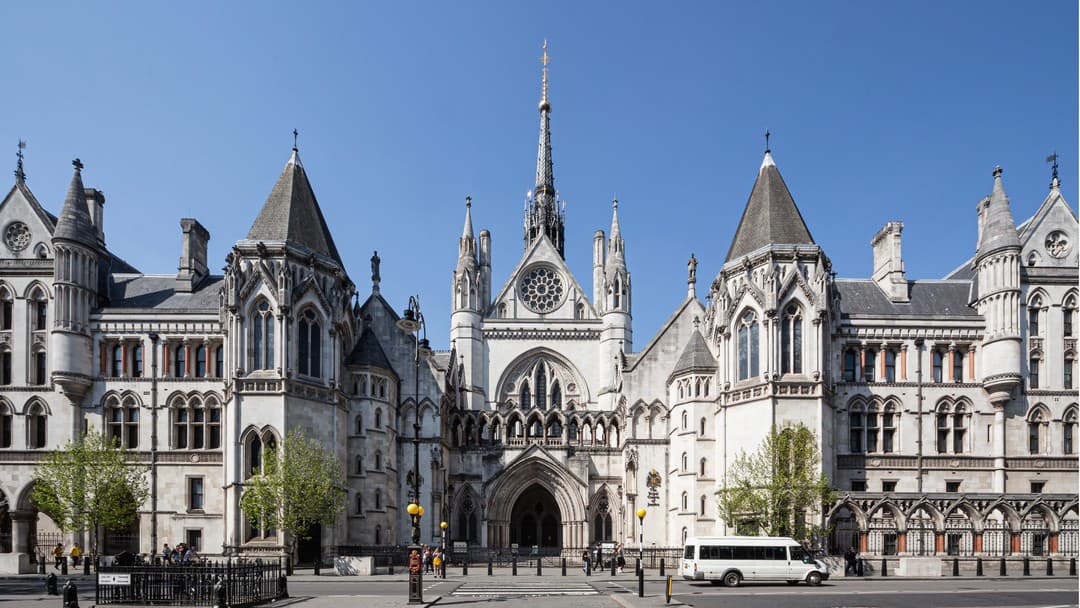
Court of Appeal says judges sentencing by video link is exceptional and requires safeguards.
The Court of Appeal has cut a fraudster's sentence from 35 to 24 months, while using the appeal to set out what must happen before a judge passes sentence remotely.
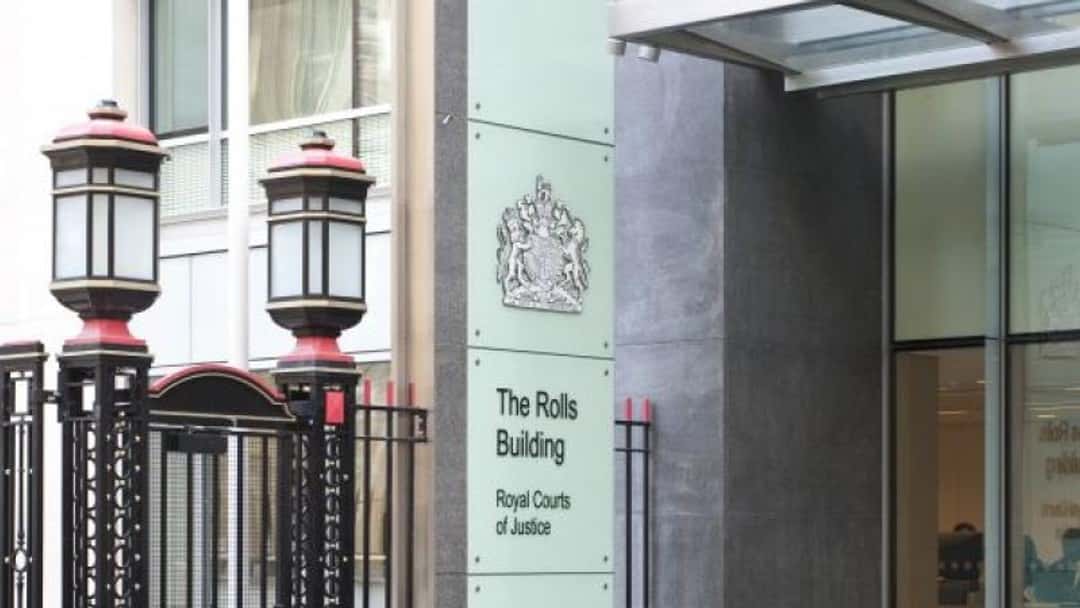
In R v Priestley [2026] EWCA Crim 1284, Lady Justice Andrews, Mrs Justice McGowan and Mr Justice Hilliard granted leave and allowed Frederic Priestley's appeal against sentence. The court reserved its reasons because of a feature of the hearing that had troubled it. At the Crown Court at Inner London, everyone attended in person except the Recorder, who appeared by video link. No explanation was given to counsel, no submissions were invited and no direction under section 51(1) of the Criminal Justice Act 2003 was recorded on the digital case system. The defendant, who faced a likely custodial sentence, was on bail. The court learned of the arrangement only because the transcript suggested the Recorder could not see him.
Counsel described the set-up as sub-optimal but raised no complaint of unfairness, and it formed no ground of appeal. The court nonetheless considered guidance appropriate.
Guidance on remote judges
Lady Justice Andrews said a judge appearing remotely is not unlawful, and may be unremarkable at a procedural hearing without the defendant. Circumstances justifying a live link at a sentencing hearing, particularly one with a custodial outcome, are likely to be rare. The Lady Chief Justice's guidance, effective this month, contemplates a judge being the subject of a direction only for trials, and says nothing of sentencing. The court read that silence as pointing to even rarer circumstances, and stressed that administrative convenience alone is not enough.
Where no other judge can be substituted and adjournment would not serve the interests of justice, the court said the statutory requirements must be followed. The Resident Judge should be consulted in advance. Counsel must be told the reasons as soon as practicable, and given an express opportunity to make representations, since section 51(4) makes that mandatory. The explanation can be brief and need not disclose sensitive personal information, but responsibility for communicating it rests with the judge, not court staff.
If there is no time for advance warning, the judge may need to use a live link to hear submissions on whether to continue remotely. Any direction should be accompanied by a short ruling addressing the section 51(6) factors, including whether the judge can participate effectively, and why adjournment is not preferable. Both should be uploaded to the digital case system.
The sentence
Priestley, of previous good character, pleaded guilty at the earliest opportunity to fraud by false representation. Over several months in 2025 he advertised rooms to let, took deposits and rent under a convincing tenancy agreement, then invented reasons why the property was unavailable. He used later victims' money to refund earlier ones, and spent the rest on gambling. Some £77,406.15 was received across two bank accounts. Thirty-four victims reported the fraud.
The offence fell within culpability A and harm category 3 of the fraud guideline, starting at three years with a range of 18 months to four years. The Recorder, apparently believing category 2 was agreed, took five years. She assumed victims who had not made statements were as badly affected as those who had.
The Court of Appeal held that this generalisation was inappropriate. Impact varied widely, including between those reimbursed and those not, and across the board it was of medium level. That, with the sum obtained exceeding the guideline figure, justified moving up within category 3, to four years at most.
The court also found insufficient allowance for mitigation, including genuine remorse expressed before arrest, good character and a gambling addiction that explained but did not excuse the offending. It applied a 12 month reduction, giving a notional three years, and then credit for the plea, producing two years.
It declined to suspend the sentence. Despite good rehabilitation prospects, the offending was callous, sophisticated and sustained, with two high culpability factors. Compensation claims exceeding £37,000 remained outstanding. Immediate custody was required.
 Copyright & permissions