Prison living conditions need urgent attention
A recent report details concerning living conditions in UK prisons, highlighting overcrowding and inadequate facilities which jeopardise rehabilitation
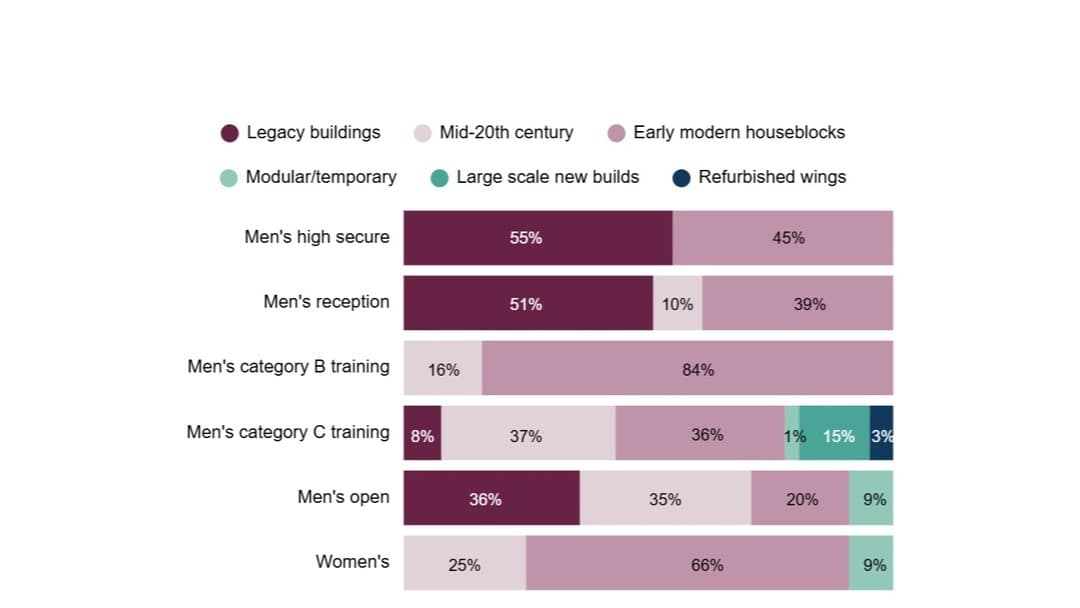
The latest report by HM Chief Inspector of Prisons, "Fit for purpose or falling apart? A review of living conditions in prison", reveals alarming deficiencies in UK prisons. Overcrowding, poor sanitation, and worsening infrastructure plague many facilities, rendering them inadequate for housing inmates. With an analysis of 40 prisons and over 6,400 prisoner surveys, the report highlights that around half of the surveyed individuals lived in accommodation built before the 1980s that has seen little refurbishment since its inception. The situation is particularly dire in older, Victorian reception prisons which struggle amidst population pressures, making repairs and improvements difficult.
Common issues in these facilities include mould, broken windows, inadequate ventilation, damaged flooring, and insufficient furniture and storage. Reportedly, poor ventilation exacerbates discomfort during summer months, while faulty heating systems leave many inmates cold in winter. Chief Inspector Charlie Taylor notes, “The provision of decent, clean, well-maintained accommodation is a fundamental test of a prison system, but this report shows that standards fall short of acceptable in many jails.”
Disturbingly, some prisons still employ night sanitation systems where inmates must be unlocked individually to access toilets, with reports indicating that others resort to using buckets or bags within their cells in the absence of adequate facilities. Furthermore, in-cell toilets are often broken and lack privacy, with communal shower conditions described as unhygienic. Only 49% of those housed in Victorian and pre-1930s buildings found communal showers clean, in stark contrast to the 88% in more modern units.
Overcrowding remains a pressing issue, with 24% of prisoners across England and Wales held in such conditions as of March 2026. In reception jails, this figure rises to over half. The implications of these conditions are significant, reportedly increasing the likelihood of assaults among prisoners in overcrowded cells by 19%, according to Ministry of Justice statistics.
Despite these shortcomings, the report acknowledges a few examples of effective management and high standards achieved through strong leadership and innovative inmate involvement in maintenance tasks. Notably, at Berwyn, prisoners collaborated with maintenance teams, while those at Lewes and Haverigg engaged in refurbishment projects that ultimately enhanced living conditions.
Prison lawyer Nicola Maynard, representing Reeds Solicitors LLP, expressed her concerns, stating, “The findings in this report are deeply concerning… Overcrowding, poor sanitation, a lack of privacy and inadequate living facilities are not simply issues of comfort; they have a real impact on prisoners’ dignity, wellbeing and ability to engage meaningfully with rehabilitation.” She further emphasized the need for a system that allows inmates to voice complaints about substandard conditions.
To create a prison system that rehabilitates rather than merely warehouses individuals, urgent reforms are necessary. This includes improving maintenance systems, addressing overcrowding, and ensuring basic standards of decency are upheld. As the report illustrates, prisons should ultimately be measured by the conditions in which inmates are held and their preparedness for successful reintegration into society.
 Copyright & permissions