Ockenden Report reveals serious maternity failings

The newly published Ockenden Report highlights systemic issues in maternity care affecting over two thousand families
The Ockenden Report, the largest maternity review in NHS history, has been released, detailing longstanding issues within maternity and neonatal care that have drastically impacted numerous families. According to the findings, a significant proportion of harm could have been avoided; approximately 21% of maternity cases and 6% of neonatal cases were deemed potentially preventable. There were consistent failures noted regarding risk assessment, fetal monitoring, and the escalation of care to senior clinicians when necessary.
The report also indicates that adherence to clinical standards was inconsistent, with deviations from national guidelines surrounding areas such as neonatal cooling and hypoglycaemia management leading to additional avoidable risks. Patients and families frequently reported detrimental experiences, often feeling dismissed or neglected within a fragmented care system exhibiting a lack of compassion, especially after serious incidents.
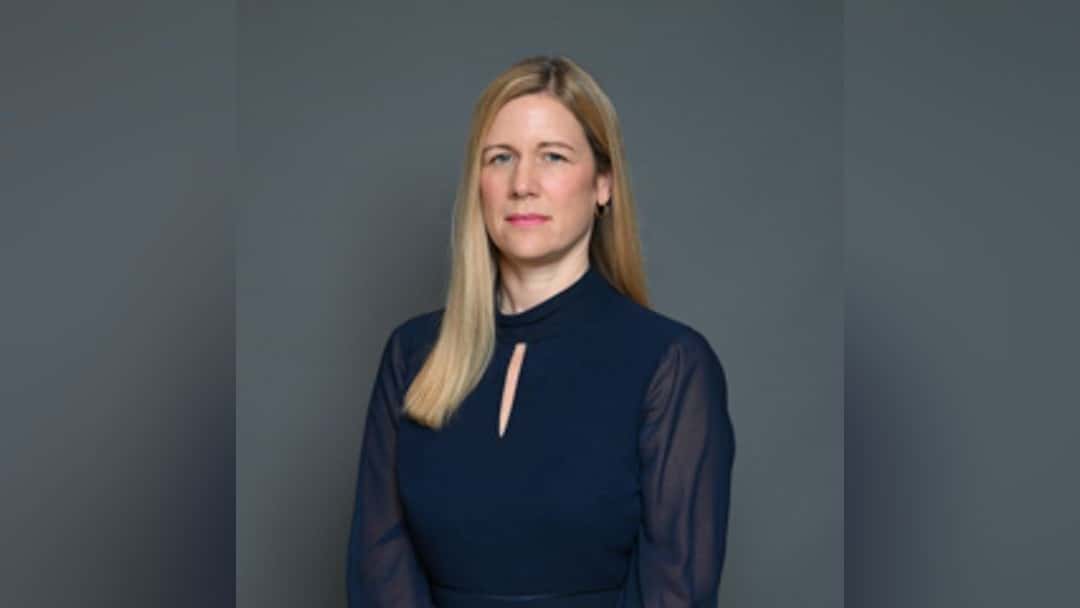
In response to the report's findings, Bernadette McGhie, a consultant at Russell-Cooke, expressed that “Sadly, the findings of the Ockenden Report will not come as a surprise to those of us who regularly support women and families affected by avoidable harm in maternity care." She pointed out the repeating issues over time, saying, “The same failings – poor escalation, missed opportunities to intervene and a failure to listen – appear to have been repeated over many years.”
McGhie went on to highlight the impact on families, noting that “At the heart of this report are families whose lives have been permanently altered, whether through bereavement, life-changing injury or lasting psychological trauma." She expressed concern over the lack of transparency, commenting, “too often, that harm is compounded by poor communication and a lack of openness about what went wrong.”
From a legal perspective, McGhie identified severe concerns regarding the failure to learn from past incidents, stating, “Families are frequently told that lessons will be learned, but where the same issues recur, that promise rings hollow.” She stressed the necessity of meaningful change resulting from the report, emphasizing the need for “stronger accountability, better resourcing and a culture where both staff and patients are listened to before harm occurs.”
The Ockenden Report represents the second such review into maternity failings within a decade, necessitating immediate and sustained efforts to ensure the welfare of mothers and their babies across the healthcare system. As McGhie concluded, “This should serve as a wake-up call not just for Nottingham University Hospitals, but for maternity services more widely.”
 Copyright & permissions