Nicole Thomas v R: Court of Appeal dismisses murder conviction challenge after CCRC reference
Fresh psychiatric evidence held inadmissible where underlying criticisms were available to defence at trial
The Court of Appeal (Criminal Division) has dismissed the appeal of Nicole Thomas against her 2013 conviction for murder, refusing to admit fresh psychiatric evidence and rejecting all three grounds of appeal in a judgement handed down on 25 March 2026 ([2026] EWCA Crim 353).
Thomas was convicted at the Central Criminal Court of the murder of Sally Hodkin and the attempted murder of Kerry Clark, following a series of attacks in Bexleyheath in October 2011. She had previously killed her mother in 2005, entering a guilty plea to manslaughter on grounds of diminished responsibility. The central issue at both trials was the nature and effect of her psychiatric condition.
At the 2013 trial, the prosecution and defence called competing expert evidence. The defence psychiatrists — Dr Adrian Cree and Professor Nigel Eastman — maintained that Thomas suffered from paranoid schizophrenia or schizoaffective disorder, and that a relapse into acute psychosis had substantially impaired her ability to form rational judgement or exercise self-control. The prosecution's expert, Dr Philip Joseph, diagnosed borderline personality disorder and rejected the view that any impairment was sufficient to make out the partial defence. The jury convicted on both counts.
The appeal reached the Court of Appeal following a reference by the Criminal Cases Review Commission, which considered that fresh expert evidence — principally a report by Professor Keith Rix — gave rise to a real possibility that the murder conviction would not be upheld. The CCRC's position was that Dr Joseph's evidence had been selective and had misled the jury, and that the trial judge's summing-up had compounded those errors.
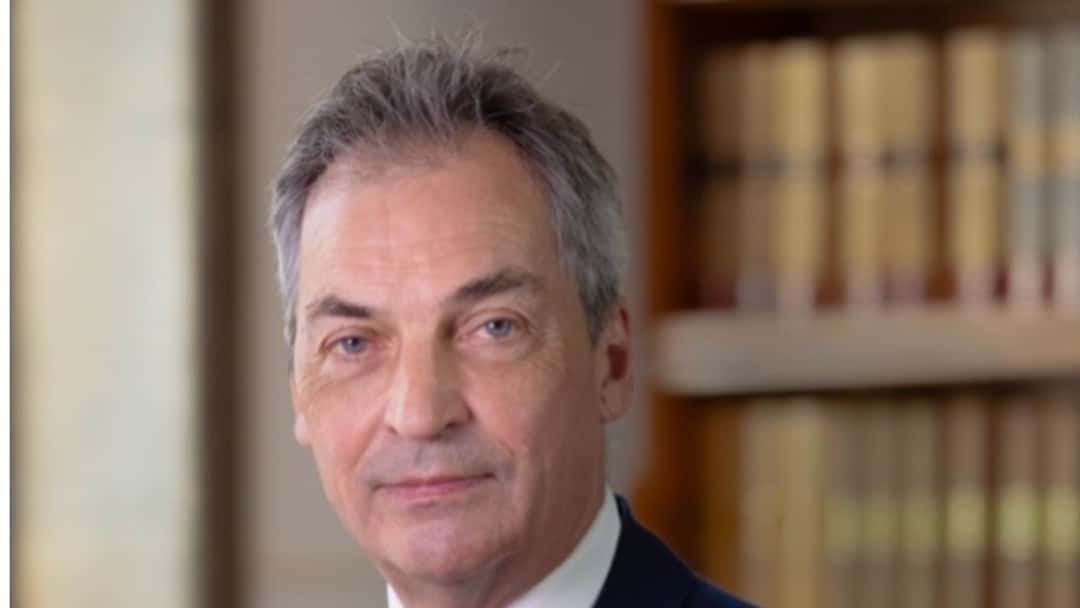
The Court, presided over by Dame Victoria Sharp P, declined to admit the fresh evidence under section 23 of the Criminal Appeal Act 1968. The decisive factor was that Professor Rix himself acknowledged his criticisms of Dr Joseph were founded on material available at the time of the original trial. The evidence was not, in any meaningful sense, new. As the judgement notes, those very criticisms had been put to Dr Joseph in cross-examination lasting approximately a full day — described in the judgement as "lengthy, robust and thorough" — and trial counsel had not been criticised for any aspect of his conduct.
The Court reaffirmed the principle stated in R v Kai-Whitewind [2005] EWCA Crim 1092 that it would only be in the rarest of circumstances that fresh expert evidence of the same effect as evidence already considered by the jury could found a successful appeal. Admitting the evidence of Professor Rix and Dr Frank Farnham (who had been instructed after Professor Rix's retirement) would have required the Court also to admit the Crown's responsive evidence from Professor Nigel Blackwood, who supported Dr Joseph's diagnosis of personality disorder as reasonable both at the time of trial and today. The evidential landscape would have been substantially the same as that before the original jury.
Beyond the expert evidence, the Court placed considerable weight on the volume of non-psychiatric evidence available to the jury: extensive CCTV footage showing Thomas travelling calmly by bus, purchasing and secreting a knife in a supermarket, and appearing to select lone female victims. The jury were entitled to reject the diminished responsibility defence on that material alone.
On the individual grounds, the Court found no basis for the contention that Dr Joseph had wrongly disputed the schizophrenia diagnosis underlying the 2005 manslaughter plea — that was his genuine clinical view and was integral to the coherence of his evidence. The allegations that his evidence was selective, incomplete, or misleading were characterised as a reformulation of arguments properly addressed at trial and unaffected in any material way by the fresh evidence.
The appeal was dismissed on all grounds.
 Copyright & permissions
.jpg&w=3840&q=60)

-cropped-6au25meu.jpg&w=3840&q=60)



.JPEG&w=3840&q=60)