New regulations protect terms for vehicles
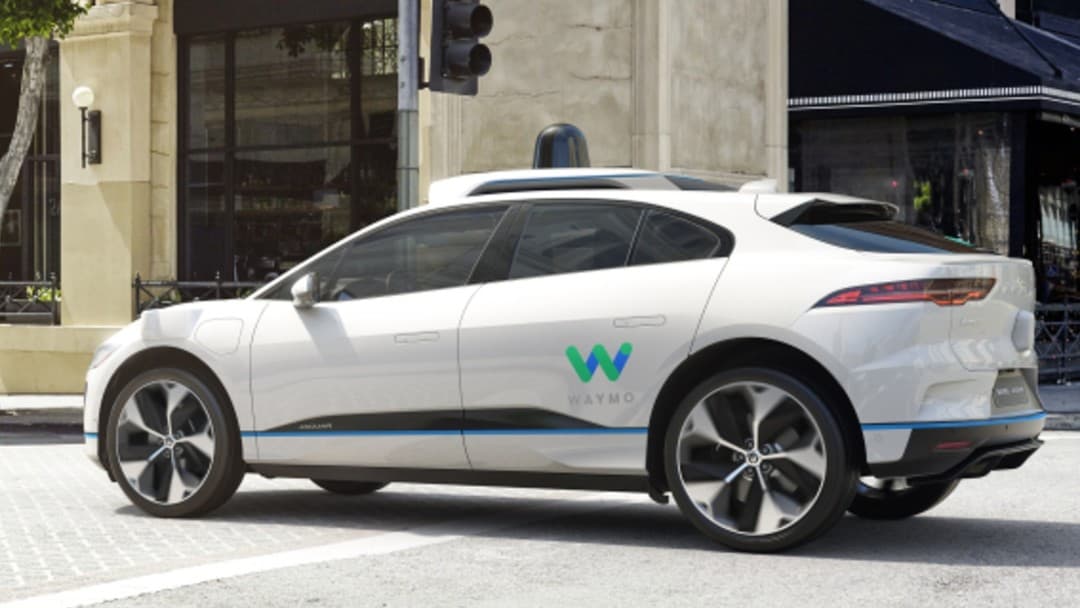
New regulations aim to prevent misleading marketing of automated vehicles, ensuring public safety and trust in technology
In a significant step towards safeguarding consumers and promoting road safety, the UK government has introduced new regulations regarding the marketing of automated vehicles, as outlined by Simon Lightwood MP in the House of Commons. Simon Lightwood has announced the publication of the government response to the protecting marketing terms consultation alongside the Automated Vehicles (Marketing Restrictions) Regulations 2026 statutory instrument. The primary aim of these regulations is to establish an authorisation process, ensuring that only vehicles deemed safe and capable of self-driving can be marketed as such in Great Britain.
Lightwood noted that the purpose of the consultation was to discern which words, expressions, symbols or marks should be exclusively used for authorised or listed automated vehicles. He stated that misleading marketing can lead to dangerous assumptions, saying “it can mislead drivers into thinking that they do not need to pay attention to the road.” The rise of high-end driver assistance systems amplifies the risks associated with misleading advertising, potentially compromising both road safety and public trust in self-driving technology.
The Automated Vehicles Act lays out a clear authorisation process to ascertain whether a vehicle can drive itself legally, unmonitored by a human operator. Allowing companies to claim self-driving capabilities without proper authorisation would risk confusion regarding both vehicle capabilities and the responsibilities of drivers. The overwhelming response from the consultation showed support for reserving specific marketing terms solely for use by authorised vehicles, with the objective to "safeguard the integrity of the authorisation and listing process" while prioritising public safety and fostering trust in the new technology.
The terms that will be officially protected include "automated," "autonomous," "self-driving," and several variations of these expressions. However, it is important to note that while terms like "automated" will be restricted for general vehicle descriptions, their use will still be permissible for specific vehicle features such as "automated windscreen wipers." Terms suggested by consultees like "robotaxi" and "AI driver" will not fall under this protection but will instead be regulated through a general confusion offence.
The government remains vigilant regarding the emergence of new terminology that could mislead consumers, recognising that as technology advances, additional terms may need regulation. To enforce these new marketing restrictions, the Secretary of State for Transport will oversee potential violations, which can lead to civil penalties or even criminal charges, with a maximum penalty of a two-year prison term for serious breaches.
Looking ahead, there is interest in providing further guidance on the misleading marketing aspects of the AV Act, with the government considering the development of supporting materials to educate the public and keep them informed about automated vehicle capabilities. As the landscape of automated vehicles evolves, continued vigilance and regulation will be essential for maintaining consumer safety and trust in this emerging sector. A copy of the new regulations will be available in the Libraries of both Houses and can also be accessed via GOV.UK.
 Copyright & permissions