Ugandan farmers fight to halt EACOP
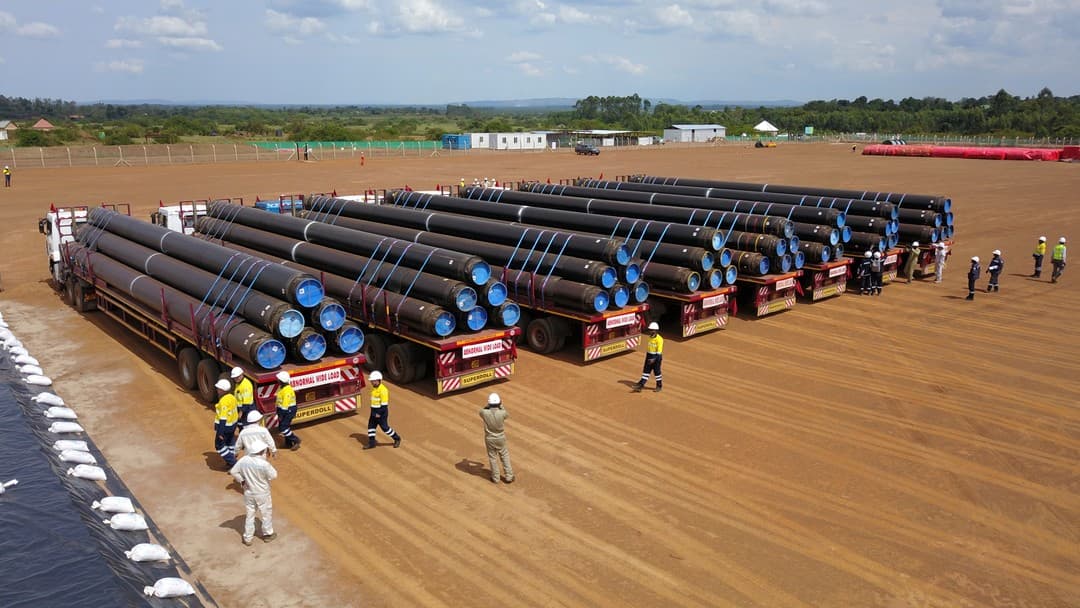
Four Ugandan farmers have launched a groundbreaking legal battle in the UK High Court against EACOP Ltd, the UK-registered operator of the East African Crude Oil Pipeline, seeking an injunction to stop oil from flowing through the contentious project
This case is significant because it seeks to enforce Ugandan laws regarding climate, environment, and constitutional rights against a foreign entity, representing the first instance of such legal recourse being taken in a foreign court. The plaintiffs argue that EACOP Ltd's involvement in the pipeline violates Uganda's legal protections for people and the environment. They demand the High Court acknowledge Uganda’s National Climate Change Act 2021, National Environment Act 2019, and constitutional provisions aimed at securing a clean environment.
Dr Joana Setzer from LSE's Grantham Research Institute, an authority in climate litigation, noted, "What makes this case unique and important is that it brings together corporate accountability and prevention." The farmers' position is that the timing of their case is crucial as it is presented before any potential environmental damage occurs. Matthew Renshaw, a partner at Leigh Day who is representing the farmers, emphasised that “EACOP Ltd is a UK-registered company behind a pipeline with the potential to cause devastation in Uganda and beyond.” The aim is not only to resist EACOP's impact but also to challenge its legality under Ugandan law.
The EACOP project, poised to become the longest heated crude oil pipeline globally, traverses sensitive ecological zones, including the Lake Victoria basin, which provides water for about 40 million people. Over 100,000 individuals have already experienced displacement due to land acquisitions for EACOP, with farmers like Samuel Abedilembe testifying to the devastating effects on their lives and livelihoods. “I lost 42% of my land to this project. I now have less land to cultivate and less food to support my family," he expressed, highlighting the urgent need to protect their rights.
Community leader Rachael Tugume echoed similar concerns, stating that the construction of EACOP neglected vital water sources, potentially leading to oil spills that could contaminate their environment. As the pressure mounts, with numerous banks and insurers denying support and significant financial hurdles facing EACOP, the farmers' legal challenge could serve as a critical step in addressing the broader implications of fossil fuel projects on vulnerable communities.
Barrister Marc Willers KC warned, “Once the pipeline becomes operational, it will enable a huge quantity of greenhouse gas emissions to be released into the atmosphere.” The outcome of this case might set a precedent for corporate accountability and climate justice in the global context.
 Copyright & permissions





.jpg&w=3840&q=60)