MSV Estates v Leeds: High Court rules solicitor rule invalidates £11m loan assignment
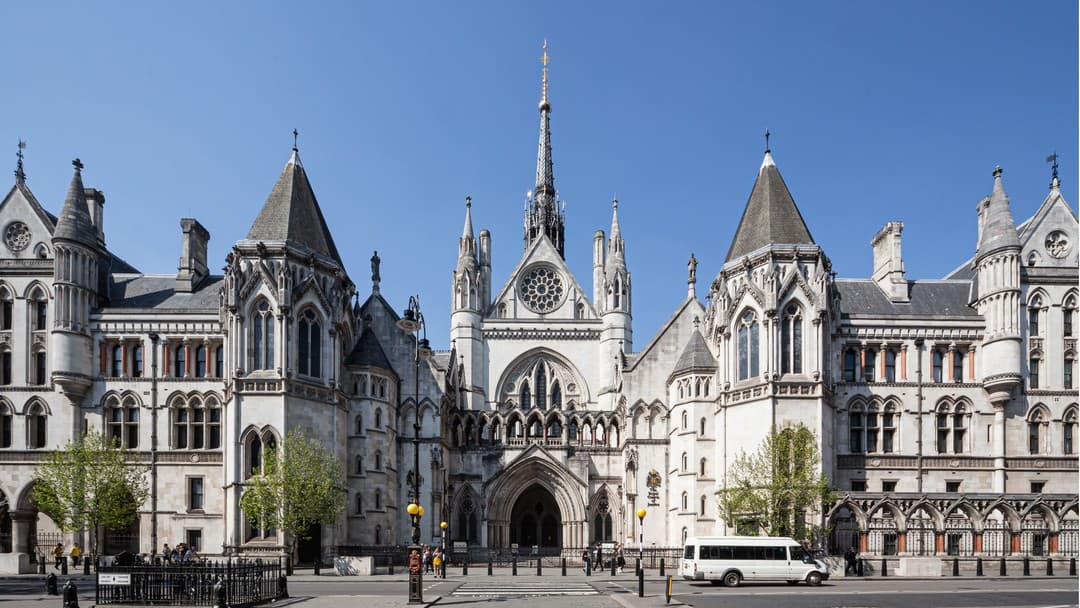
High Court rules that solicitors cannot circumvent restrictions on acquiring clients’ claims through a company, even before proceedings begin.
The High Court has ruled that an assignment of an approximately £11m loan claim to MSV Estates Limited was invalid under the longstanding solicitor rule, which prevents solicitors conducting litigation from acquiring their clients’ causes of action for their own benefit.
In MSV Estates Limited v Michael Leeds and another [2026] EWHC 2750 (KB), Master Sullivan held that the rule can apply before proceedings are issued and cannot be avoided by transferring a claim to a company in which the solicitors have an interest.
The dispute arose from a loan agreement entered into in April 2019 between Maltby Services Limited and John Graham Rhoden, who died in March 2023. The loan was repayable in 2039. Maltby assigned its rights under the agreement to TD Capital Limited (TDC) in November 2024, before TDC assigned them to MSV Estates in December 2025.
At the time of the second assignment, Andrew Hickman and Anthony Page were directors of MSV Estates and solicitors acting for TDC through Hickman Construction Law (HCL). Each held a minority shareholding in MSV Estates. HCL had been corresponding with the deceased’s estate on TDC’s behalf in connection with the disputed debt and potential proceedings.
The estate’s personal representatives applied to strike out the claim or obtain summary judgement, arguing that the assignment breached the solicitor rule and was therefore void. MSV Estates disputed the rule’s application, contending that it applied only after proceedings had commenced and that an assignment to a separate corporate entity was distinguishable from an assignment directly to the solicitors.
Master Sullivan rejected MSV Estates’ procedural objections to the application. Although certain requirements under CPR 24.5 had not initially been addressed adequately, the deficiencies had been corrected and MSV Estates had sufficient opportunity to submit evidence in response. Dismissing the application on procedural grounds would not have served the overriding objective.
The substantive issue was whether the solicitor rule extended to assignments made before proceedings were issued. Drawing on the Court of Appeal’s decision in Farrar (Deceased) v Miller [2022] EWCA Civ 295 and earlier authorities, Master Sullivan identified the rule’s central rationale as preventing conflicts of interest arising from the fiduciary relationship between solicitor and client.
He agreed with the approach taken in Commercial Law Practice Ltd v Atkinson Wheller Ltd [2024], finding that the absence of issued proceedings did not prevent the rule from applying. Pre-action correspondence was already under way when the assignment occurred, and the potential conflict existed regardless of whether a claim form had been issued. The court rejected the suggestion that the rule’s application depended on the precise timing of issue.
The court also considered whether the involvement of a corporate vehicle took the transaction outside the rule. Master Sullivan held that it did not. Hickman and Page had acted for TDC through HCL while simultaneously serving as directors and shareholders of MSV Estates. They had also executed the assignment on the company’s behalf.
Applying the reasoning in Aberdeen Railway Co v Blaikie Brothers (1854), the court found that the conflict had to be assessed by reference to the individuals acting for the company, rather than the company’s separate legal personality alone. Their minority shareholdings did not alter the analysis: their directorships and personal financial interests were sufficient to establish the relevant conflict.
Master Sullivan concluded that the December 2025 assignment was invalid and that the estate had no real prospect of successfully defending the application on this issue. Summary disposal was therefore appropriate, with no compelling reason to leave the question until trial.
However, MSV Estates had separately applied to join TDC as a claimant. As that application had not been heard, the court directed that a further hearing be listed to determine its consequences and invited the parties to agree the next steps in the meantime.
 Copyright & permissions