'Many people don't get pupillage the first time they apply'
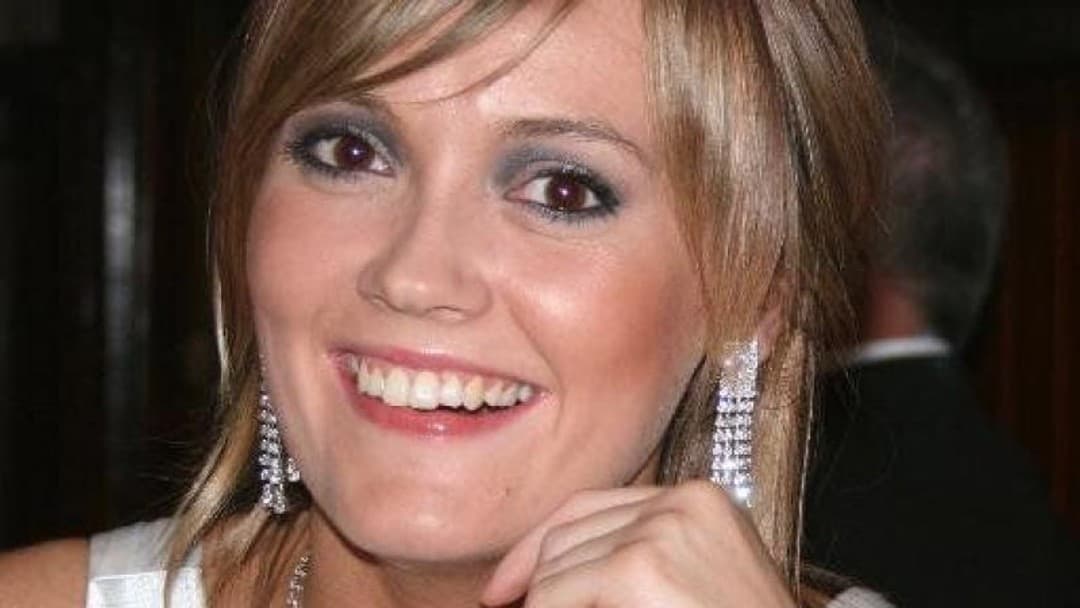
Criminal barrister Hannah Evans bucks the public school trend. Educated at a comprehensive to then study law at Oxford, her address at the 'One Bar, one voice' event caused waves among the profession earlier this year as she spoke frankly about the devastating impact the criminal legal aid cuts are having on junior tenants' livelihoods. SJ's Laura Clenshaw talks to Evans about the current state of play
Encouraging social mobility is top of the Bar's agenda. Is this goal realistic?
It will be difficult to achieve in the current climate. The problem at the publicly-funded Bar is that with work drying up and so little being paid at the junior end, the only people that will be able to maintain practice are those with independent means. In that sense, social mobility will take a huge step backwards and that should concern us all.
Aspiring barristers could be scared off by a reported shortage of pupillage places. What would you say to them?
What I would say in the first place is: are you sure this is the job for you? Don't put yourself through the application process and then pupillage if you're not absolutely committed to a career at the Bar.
How do you know if this job is for you? Get as much information about it as possible - and experience, too. Applying for mini-pupillages and speaking to junior tenants is the best way to do this. Be aware that the job is extremely challenging: the hours are long, the work difficult, and the pay in many areas poor. If money is your motivating factor - and why shouldn't it be - steer clear of the publicly funded Bar.
If you're sure that the Bar is for you, then apply for pupillage. Don't be put off by the shortage of places. Do everything you can to maximise your potential and sell yourself to chambers, but be realistic about your prospects: most people don't get pupillage the first time they apply.
How is public access work changing the profession?
It is making barristers more commercially aware. How can we develop our 'product'? How can we best sell it? This is, for some, an entirely new way of thinking.
Public access work also allows barristers to broaden our skill set. Most obviously it brings us into contact more with our lay clients, and so we gain experience.
It also has the potential to change the relationship between the Bar and solicitors. The extent of this change will depend on the balance of work any particular barrister or chambers does, but it certainly changes the dynamic.
How do you recommend barristers should handle stress at the Bar?
Make the most of those rare quiet days. If you have time to take a long lunch with a friend, for example, do it. There will be plenty of days where you won't even have time for lunch. Likewise if you don't have too much work over the weekend, make other plans. Little things like that help you achieve some semblance of a work/life balance, which can be difficult in this job.
 Copyright & permissions
.jpg&w=3840&q=60)