High Court orders split trial in £1.6bn shareholder claims against Entain
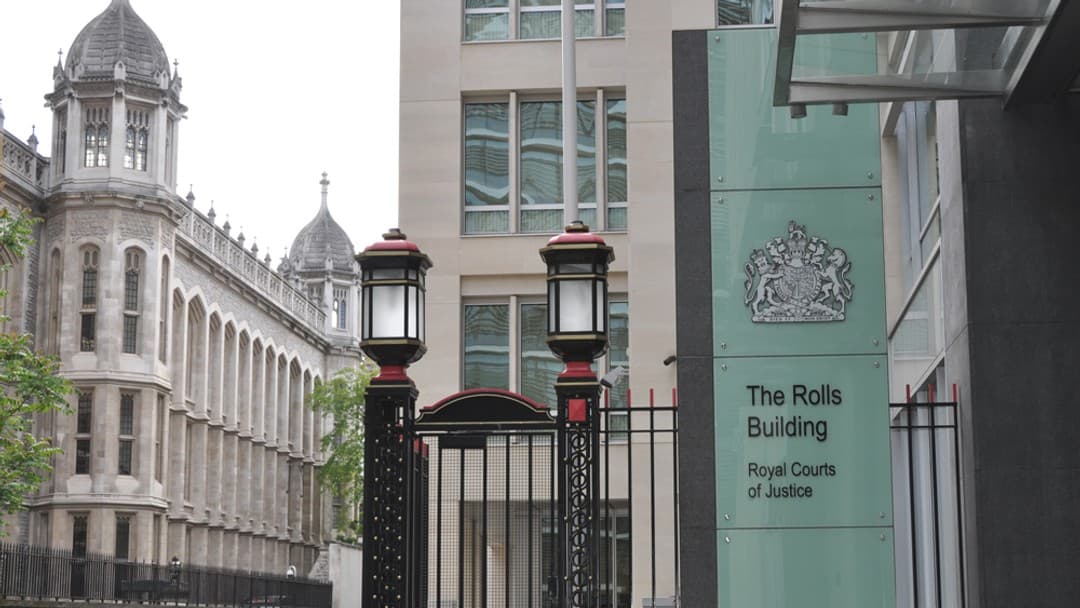
High Court defers reliance, causation and limitation issues to second trial in Entain securities litigation.
The High Court has ordered a split trial structure in shareholder litigation against Entain Plc arising from historic bribery allegations connected to its Turkish business, siding largely with claimants who argued that questions of reliance, causation and limitation should be deferred to a second trial alongside quantum.
In Various Claimants Listed in the Schedules to the Claim Forms v Entain Plc [2026] EWHC 1622 (KB), Mr Justice Trower heard the first case management conference in proceedings brought under sections 90 and 90A of the Financial Services and Markets Act 2000 by two separately represented groups, the FW Claimants and the MLB Claimants, comprising over 100 institutional and retail investors with claims exceeding £1.6 billion in aggregate. The claimants allege that Entain failed to disclose bribery in its Turkish operations over a twelve year period, and that persons discharging managerial responsibilities knew published information was misleading or that omissions amounted to dishonest concealment.
It was common ground that quantification of loss could not be determined at the first trial, and that defendant side issues, including the existence of any misstatements or omissions, PDMR knowledge, and whether the claims were based on fraud for limitation purposes, would be tried first using sample claimants. The dispute centred on whether reliance, causation and limitation should also be resolved at that first trial, as Entain contended, or deferred to a second trial alongside quantum, as both claimant groups argued.
Drawing on the established checklist for split trials set out by Hildyard J in Electrical Waste Recycling Group Ltd v Philips Electronics UK Ltd, and surveying the divergent approaches taken in earlier FSMA group litigation including Manning and Napier Fund Inc v Tesco Plc, Various Claimants v G4S Ltd, Aabar Holdings SARL v Glencore Plc, Various Claimants v Standard Chartered Plc, Investors in Barclays v Barclays Plc and California State Teachers' Retirement System v Boohoo, Mr Justice Trower emphasised that no single approach has become orthodox and that the right structure depends on the scale and character of each case.
The judge accepted the claimants' submission that the twelve year period under examination, spanning 178 alleged misleading statements across 29 publications, would generate an unmanageable number of permutations if reliance and causation evidence had to address every possible counterfactual before the scope of Entain's liability was established at trial. He found a close practical correlation between causation and quantum, observing that the inquiry into what a claimant would have done absent a misstatement or omission was likely to draw on the same witnesses and documentation relevant to loss, supporting a cleaner split between defendant conduct issues and claimant side issues.
While accepting Entain's broader point that litigants bringing claims of this magnitude should be prepared to substantiate every element of their case, Mr Justice Trower rejected the submission that the omission based nature of the claims would necessarily narrow the relevant scenarios sufficiently by the time of a first trial. He concluded that reliance, causation and limitation, save for the question of deliberate concealment under section 32(1)(b) of the Limitation Act 1980, should be deferred to the second trial, alongside the MLB Claimants' aftermarket duration issue.
On preparatory steps, the court preferred the MLB Claimants' proposal that sample claimants give disclosure on all second trial issues, excluding alternative investment scenarios, ahead of the first trial, while declining at this stage to require witness statements on reliance, causation or loss to be served before then, in order to preserve the cost control benefits underpinning the split.
 Copyright & permissions