Hare coursing offences to be guided
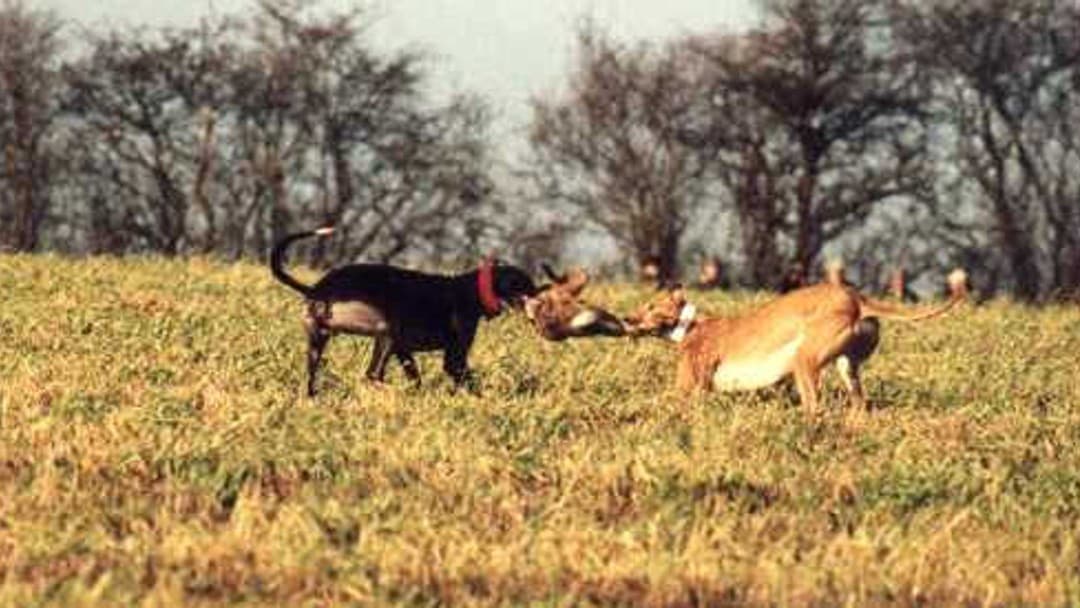
The Sentencing Council introduces new guidelines for hare coursing offences effective from 1 June 2026 ensuring appropriate recognition of harm caused
The Sentencing Council has announced the publication of a new guideline aimed at addressing offences related to hare coursing, effective from 1 June 2026. This initiative follows a comprehensive 12-week public consultation, signalling the Council’s commitment to ensuring that courts fully acknowledge the serious harm such offences inflict when determining their severity. In accordance with the statutory process, the Lady Chief Justice and the Lord Chancellor have consented to the guideline's issuance as definitive.
The guideline encompasses four key offences linked to hare coursing, reflecting recent changes brought about by the Police, Crime, Sentencing and Courts (PCSC) Act 2022. These offences are: trespass with intent to search for or pursue hares using dogs, being equipped for such pursuits, trespassing during the day to search for game, and taking or destroying game at night.
An important aspect of the guideline is its emphasis on aggravating factors inherent to hare coursing activities. These include the use of social media for recording and promoting offences, committing these acts in the presence of minors, and the violation of community protection notices. This reinforces the critical role that such orders have in disrupting hare coursing activities.
Importantly, courts are made aware of two new orders introduced by the PCSC Act: the Dog Disqualification Order and the Recovery Order. These provisions empower courts to disqualify offenders from owning dogs and require them to cover the costs associated with the seizure and detention of a dog.
The consultation conducted by the Council aimed for broad inclusivity, yielding a wealth of views that significantly shaped the definitive guideline published recently. His Honour Judge Simon Drew KC, a member of the Sentencing Council, remarked that “Illegal activities associated with hare coursing cause real harm — to wildlife, to property, to farmers and their families and to the wider rural communities that often deal with the repercussions of this aggressive crime.” He further asserted that the feedback from the consultation underscored the serious nature of the issue at hand, ensuring courts have the necessary tools to reflect this harm during sentencing.
The responses from consultees highlighted the detrimental effects of hare coursing on rural communities, emphasising that even small, informal events can have far-reaching consequences. Initially, the Council proposed a culpability factor distinguishing “Large group activity” from “Lone, or small group activity.” However, following consultation feedback indicating that the size of the group does not impact culpability, this factor was subsequently removed.
Furthermore, the responses reflected a strong sentiment regarding the severe harm inflicted upon hares and other wildlife, as well as the adverse effects on the farming landscape and habitats. As such, the guidelines expanded the Category 1 Harm factors to include distress, injury, and fatalities to animals, along with significant damage to property and agricultural land.
After considerations from the consultation, other adjustments to the guideline included an increase in sentencing starting points, with the most serious cases now carrying a top range of up to 18 weeks. Additionally, the guideline provides better direction towards compensation orders and confiscation orders outlined in the sentencing table.
Chief Inspector Kevin Lacks-Kelly, Head of the UK National Wildlife Crime Unit, expressed his support for the new guidelines, stating that “I welcome these guidelines and I am confident we can continue to improve the Policing response to Hare Coursing and know that consistent justice will follow.” He noted that disparities in sentencing across the country depend on various factors, and the new guidelines will foster more proportionate and consistent outcomes, ultimately safeguarding communities.
Alongside the publication of the guideline, a consultation response document and a resource assessment have been made available. While the new rules provide structured guidelines for hare coursing offences, they do not extend to the act of hare coursing itself or hunting offences under the Hunting Act 2004, which remain fine-only.
This marks a significant move towards establishing a coherent legal framework to tackle hare coursing and its associated impacts on rural communities and wildlife.
 Copyright & permissions