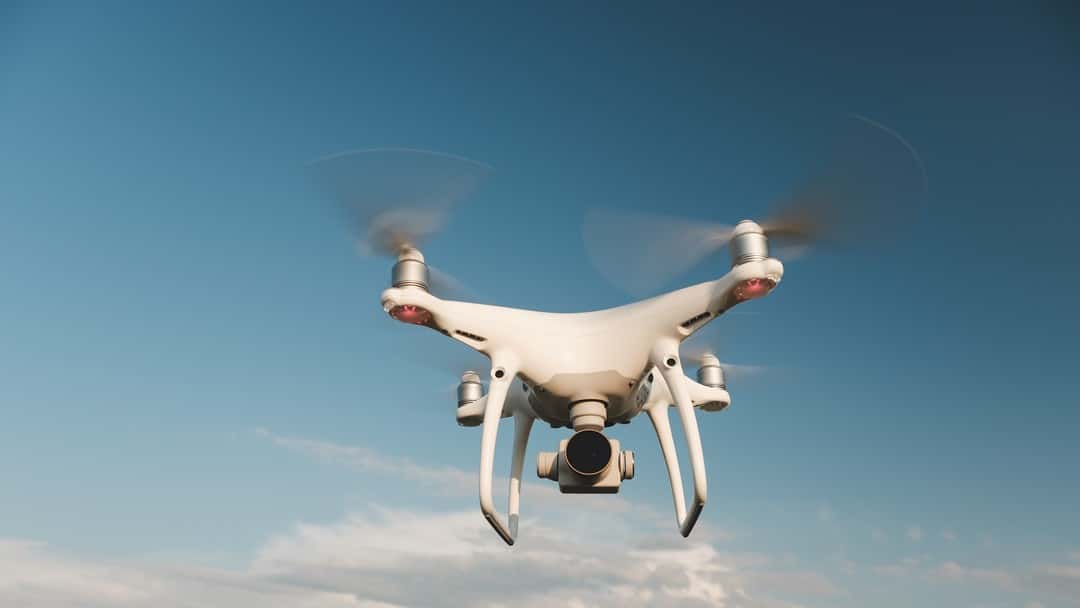
Generative AI's next wave is hardware

A new report indicates a significant shift towards hardware for AI as patent applications soar in 2025
Artificial Intelligence (AI) is making a notable transition from cloud-based services to hardware solutions, as evidenced by the findings of Marks & Clerk's sixth annual AI Report. The report shows that in 2025, more than 80% of patent applications related to Hardware for AI were allowed by the European Patent Office (EPO), reflecting a remarkable growth in this sector. The total number of AI patent publications reached an unprecedented 14,049, demonstrating the expanding focus on hardware.
Marks & Clerk has a proven track record in identifying trends in AI development. In fact, their 2022 report accurately predicted the rise of natural language processing and generative models just before generative AI captured public attention through platforms like ChatGPT. Their continuing analysis points toward a growing interest in hardware, specifically the chips, processors, and machinery that facilitate AI’s functionalities such as robotics and automation.
The statistics show that applicants in the AI domain are increasingly achieving success. The closure rate for AI patent applications at the EPO rose from 45.5% in 2015 to 60.7% by 2024, with 2025 statistics indicating even higher approval rates. This trend is significant, as it suggests a deeper understanding among applicants of what constitutes a patentable AI invention, according to Mike Williams, an AI specialist at Marks & Clerk. He stated, "Patent applications are filed long before products reach the market, which makes them one of the earliest signals of where technology is heading."
Interestingly, the report also details the varied global sources of these Hardware for AI innovations. Approximately 43.1% of relevant publications from 2021 to 2025 originated from US applicants, almost double the share from European countries. The report notes that the Republic of Korea leads in AI publication rates per capita, followed closely by the United States and Japan.
Another point of interest is the cautiousness of hardware proprietors regarding the Unified Patent Court. In 2025, a mere 22.6% of AI patents were registered as Unitary Patents, illustrating a trend that hardware innovators tend to be more conservative about patent options compared to their software counterparts.
The report also highlights the importance of innovation across different hardware categories. By 2025, development activity has notably shifted towards compilers, design tools, and system software, with neural-network accelerators seeing a decline since their peak in 2020. This shift indicates a broadening of focus among innovators in the hardware sector.
As Marks & Clerk continues to evaluate the global patent scene, their insights from China indicate a booming market for AI hardware. The CNIPA reported a staggering 6,404 Hardware AI publications in 2025, revealing a stark contrast to the EPO's figures. Meanwhile, Canada seems poised to become a more accommodating environment for AI hardware patents, pending new regulatory guidance that may facilitate easier filing processes for innovators.
Overall, the findings from Marks & Clerk's report represent an important snapshot of the AI and hardware intersection, shedding light on future developments and innovations in the space. Several recent trends signal growth and opportunities that could significantly impact the hardware domain of AI in the coming years.
The full report is available at: https://resources.marks-clerk.com/ai-report-2026
 Copyright & permissions