
Police trial digital drone identification
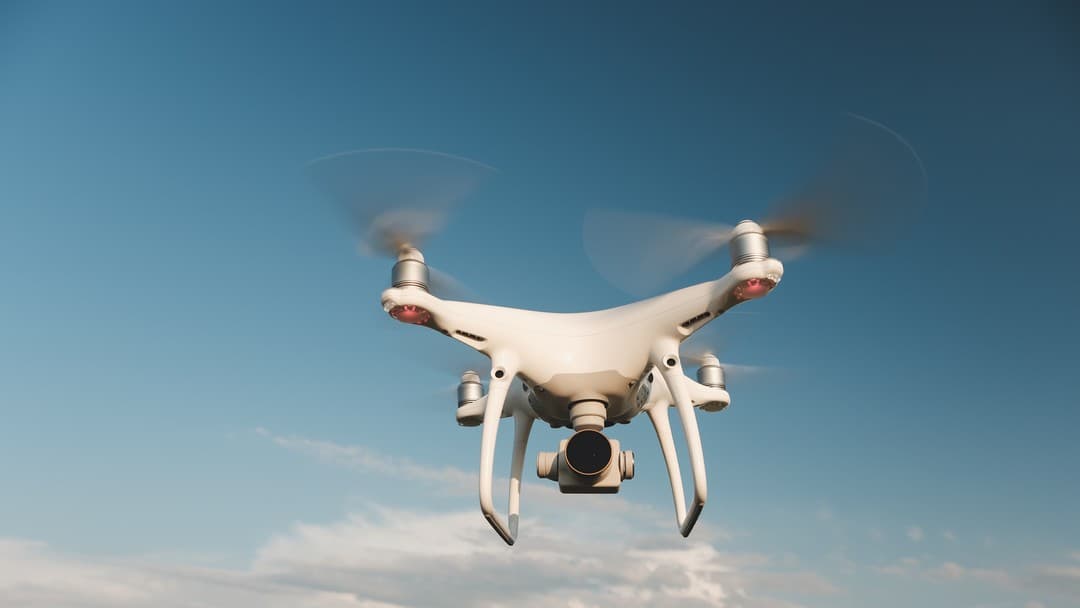
Government funding will support a London-based trial to improve police detection of drones and tackle unauthorised activity
The government has announced a nearly £2m trial to improve police capabilities to identify and track drones, supporting enforcement against unauthorised and dangerous activity.
Announced by the Department for Transport (DfT) on 24 November 2026, the London-based trial will equip police with technology capable of detecting drones’ digital identification signals over greater distances and with improved accuracy.
Existing digital identification technology allows drones and their locations to be identified within a limited geographical area. The new equipment is intended to extend detection coverage and provide police with greater visibility of drone activity across the capital.
Enforcement and public safety
The announcement follows concerns about unauthorised drone activity around major public events, including disruption at a football fixture in October and more than 10 drone seizures around Oasis concerts in 2025.
The technology could also support future enforcement activity around airports, railways and other sensitive locations.
Transport secretary Heidi Alexander said: “Dangerous and nuisance drones can have a real impact by showing up and disrupting major events – not only spoiling the fun but creating a security risk.
“That’s why we’re putting new technology in police hands to track the ‘number plates of the sky’ and crack down on illegal use.”
The DfT will provide £1.2m towards the trial, with a further £500,000 from the Regulatory Innovation Office to support equipment and infrastructure.
The National Police Chiefs’ Council will determine where the equipment is deployed.
Commercial drone operations
The trial also aims to support the safe integration of commercial drones into increasingly congested airspace, including their use for medical and retail deliveries.
Louisa Smith, chief operating officer at Apian, said: “Giving the police better tools to identify drones and distinguish authorised operations from potentially illegal activity will help build confidence in the safe and responsible use of drones.”
The government estimates that the UK drone sector could contribute up to £103bn to the economy over the next 25 years.
Regulatory implications
The introduction of enhanced drone detection capabilities raises wider questions concerning the collection, retention and sharing of identification and location data, as well as the evidential use of such information in enforcement proceedings.
The government is also continuing to develop cloud-based drone tracking software. In Birmingham, sensors positioned alongside railway infrastructure are being used to monitor airspace around key sites.
The London trial is intended to inform future efforts to improve police visibility of drone activity nationally.
The announcement does not specify the duration of the trial, the arrangements for data governance or whether any legislative changes will accompany a wider deployment.
 Copyright & permissions