Fifth Avenue Entertainment v Commodore Entertainment: High Court dismisses trade mark appeal over band name
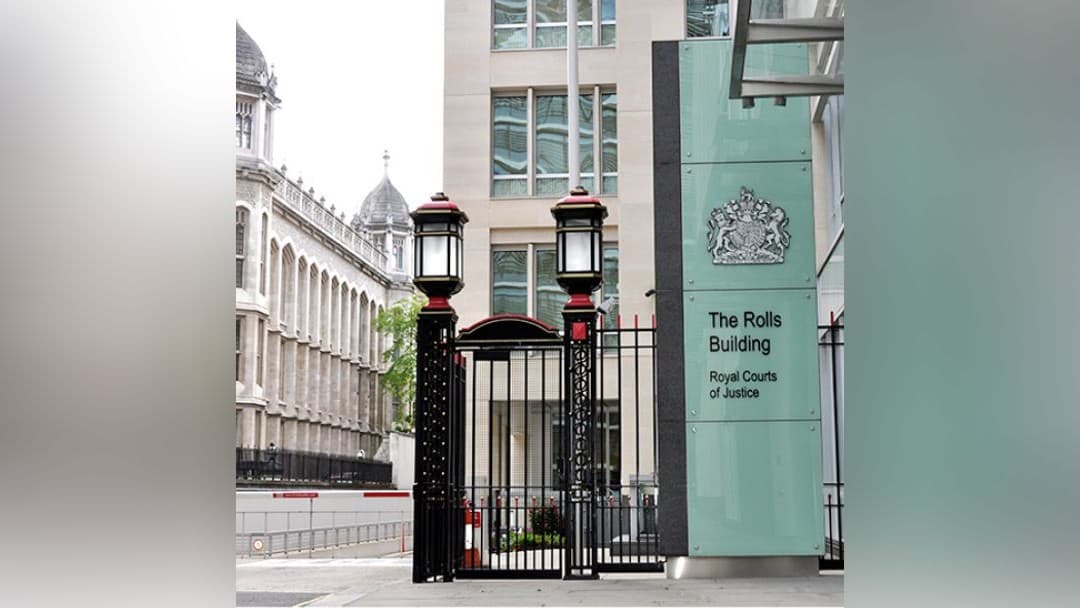
The High Court upheld a finding of passing off and bad faith in a dispute over registration of the Commodores name.
The High Court has dismissed an appeal by Fifth Avenue Entertainment LLC against a decision refusing its UK trade mark application for “THE COMMODORES”, finding no basis to overturn conclusions that the application conflicted with existing goodwill and had been made in bad faith.
In Fifth Avenue Entertainment LLC v Commodore Entertainment Corporation [2026] EWHC 2730 (Ch), Mr Justice Richards upheld the decision of the UK Intellectual Property Office hearing officer, who had allowed Commodore Entertainment Corporation’s opposition under sections 5(4)(a) and 3(6) of the Trade Marks Act 1994.
The dispute concerned rights in the name of the Commodores, the American musical group formed in 1968. Fifth Avenue Entertainment is controlled by former band member Thomas McClary, who left the group in 1984. The band continued performing without him, while Commodore Entertainment conducted its musical business under the group’s name.
The parties’ dispute centred on the ownership of goodwill associated with “COMMODORES”, particularly following changes to a partnership agreement in 1984. That agreement provided for the partnership to cease operating as a performing group and instead to own and lease equipment to Commodore Entertainment, which conducted the band’s musical business.
The partnership was dissolved in March 2014. Fifth Avenue subsequently sought to register “THE COMMODORES” as a UK trade mark, having already applied for an EU trade mark in October 2014. The UK application was opposed on the basis that Commodore Entertainment owned goodwill in the name and that the application had been made in bad faith.
Fifth Avenue challenged the hearing officer’s interpretation of the partnership agreements, his finding that a letter recording McClary’s departure was genuine, and his conclusions on passing off and bad faith. It also argued that the hearing officer had wrongly applied English partnership principles to agreements governed by Alabama law.
Richards J rejected the appeal, emphasising that it was a review of the hearing officer’s decision rather than a rehearing. The court would not interfere with factual and evaluative findings merely because another conclusion might have been possible.
The judge found that the hearing officer had not applied English partnership-at-will principles when construing the agreements, defeating the first ground of appeal. The challenge concerning the 1984 letter also failed. The hearing officer had been entitled to conclude that McClary left the partnership in 1984, notwithstanding alleged defects in the letter and questions raised about its authenticity.
The court also refused to entertain arguments that depended on the effect of Alabama law, which had not been supported by expert evidence before the hearing officer and were not properly advanced on appeal. The judge stressed that a party could not introduce new factual issues on appeal where doing so would have required the original hearing to be conducted differently.
On goodwill, Richards J upheld the finding that Commodore Entertainment had conducted the band’s musical business from 1984 onwards and had generated protectable goodwill in the name. Although the partnership might have retained some goodwill generated before 1984, that did not establish that it owned the goodwill subsequently generated by Commodore Entertainment.
The judge noted that the 1984 agreement contained provisions regulating the use of the group name, but found no adequate basis for concluding that all later goodwill necessarily belonged to the partnership. The appeal therefore failed to undermine the finding that Commodore Entertainment had sufficient UK goodwill to sustain its passing-off objection.
The challenges to the bad-faith finding were also dismissed. The hearing officer had been entitled to infer that the application sought to exclude Commodore Entertainment from using a name under which it had traded for decades. The judge found no error in the assessment of McClary’s explanation for seeking registration, no reversal of the burden of proof and no misdirection as to the relevant date, which was 30 July 2021.
The appeal was dismissed in its entirety. The parties were invited to agree an order addressing the consequences, including costs. If they could not agree, a further hearing was to take place within 28 days of hand-down.
 Copyright & permissions