Essendi UK Hotels v London Property Company: landlord ordered to reclad Ibis Wembley after ACM cladding found to pose 'intolerable' fire risk
A hotel landlord bears full responsibility for removing dangerous ACM cladding under lease covenants, the TCC has ruled.
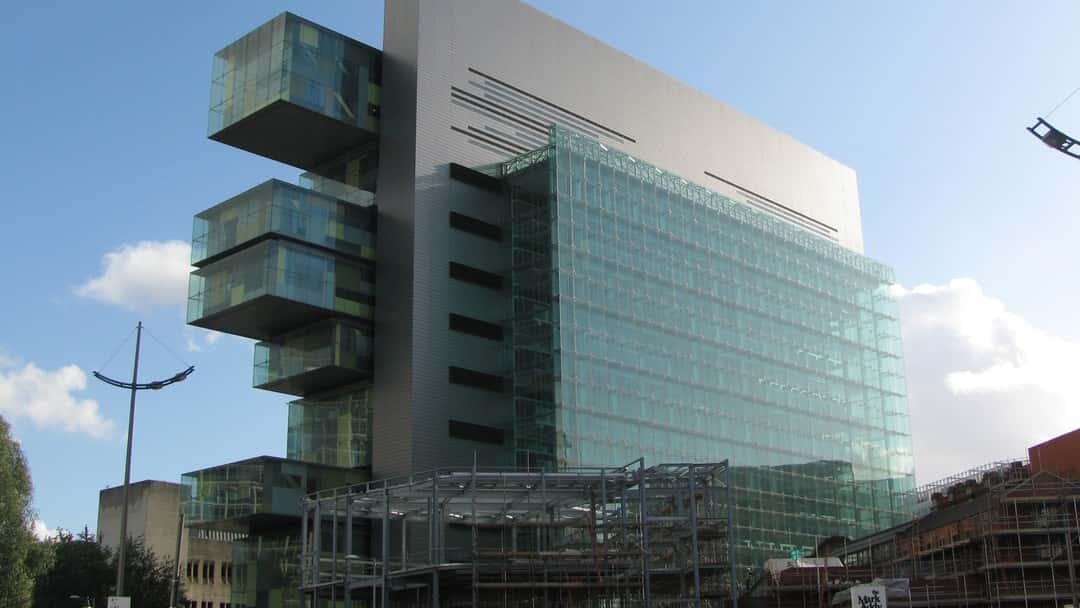
HHJ Stephen Davies, sitting as a High Court judge in the Technology and Construction Court, handed down judgement on 5 June 2026 in Essendi UK Hotels 2 Limited v London Property Company Limited [2026] EWHC 1354 (TCC), finding London Property Company Limited (LPC) in breach of both the good condition covenant and the legal obligations covenant contained in the parties' current lease. The case concerned the Ibis London Wembley, a 16-storey, 210-bedroom hotel whose external façade had been fully reclad in 2005–06 with Reynobond aluminium composite material panels later classified as category 3 ACM, the same type of cladding that fuelled the Grenfell Tower fire.
Essendi, the hotel's tenant and operator, brought the claim after its own invasive survey in late 2024 confirmed the presence of category 3 ACM throughout the building. Fire safety experts instructed by both parties agreed in their joint statement that the cladding presented an "intolerable risk" under the methodology set out in PAS 9980, and that removal and replacement was the only permanent solution. Despite that consensus, LPC declined throughout to accept liability, contending that Essendi bore responsibility under bespoke cladding provisions in an earlier 2007 lease which had allocated repair obligations to the tenant until a "cut-off date" of 22 May 2017.
The judge rejected that defence comprehensively. He found no evidential basis for concluding that Essendi knew, or ought to have known before the cut-off date, that the panels were combustible. The Clarke Banks report, commissioned by LPC's predecessor and used to reassure Essendi that the cladding was solid aluminium, was found to be unreliable, and LPC was criticised for suppressing earlier concerns raised by its own consultants.
On the construction of the current lease, entered into in March 2019, HHJ Davies held that the landlord's obligation to put and keep the building in "good and substantial condition" extended to remedying the fire safety defect, even absent physical deterioration of the panels themselves. Drawing on Credit Suisse v Beegas Nominees and Welsh v Greenwich LBC, he concluded that in the post-Grenfell era a multi-storey building used for sleeping accommodation could not be regarded as being in good condition whilst clad in material presenting an intolerable fire risk. The good condition covenant, he reasoned, must be interpreted to require the building to be reasonably fit for its intended use, and a hypothetical reasonably minded tenant would plainly have required non-combustible cladding had the true position been known at the date of the current lease.
Independently, he held LPC to be in breach of the legal obligations covenant by reference to its duties as "responsible person" under the Regulatory Reform (Fire Safety) Order 2005. The category 3 ACM panels constituted a dangerous substance within the meaning of the FSO, and art. 12 required LPC to replace them. The argument that the FSO's enforcement regime precluded a contractual remedy was dismissed: the FSO does not expressly oust private law rights, and the parties had expressly agreed by contract that the landlord would carry out works required by legal obligations.
Essendi's decision to close the hotel on 29 July 2025, following advice from fire engineer Mr Mostyn Bullock that continued operation was untenable, was held to be a reasonable and necessary response to LPC's breaches. The reputational risk to Essendi and the risk of criminal prosecution for its directors were treated as legitimate factors in the closure decision. LPC's allegation of bad faith was described as having almost no evidential foundation.
The claim for derogation from grant failed. HHJ Davies considered that the terms of the lease, including the absence of any service charge provision and the clause excluding any warranty as to permitted use, made it impossible to imply an obligation on LPC to ensure the hotel remained operational where none existed under the express covenants.
Specific performance was granted. LPC is ordered to remove the category 3 ACM panels within six months and to complete replacement with suitable non-combustible cladding within 18 months. The quantum of Essendi's losses arising from the closure is to be assessed at a further trial. The judgement is likely to be of significant interest wherever a commercial lease post-dating Grenfell contains a good condition covenant in respect of a high-rise building used for sleeping accommodation, and where the Building Safety Act 2022 does not apply.
 Copyright & permissions
.png&w=3840&q=60)







.jpg&w=3840&q=60)