E-bike and e-scooter injuries escalate
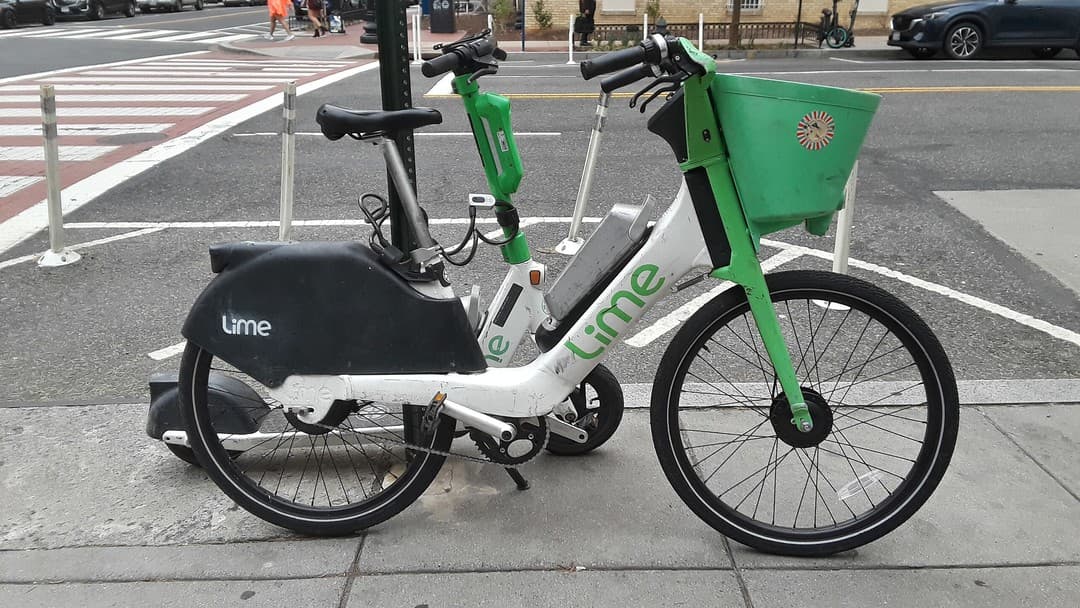
E-bike and e-scooter injury payouts have exceeded £110 million, prompting urgent discussions on legal compensation paths
The rapid rise in e-bike and e-scooter usage in the UK has brought with it a concerning trend: injury payouts have soared to over £110 million, creating urgent inquiries into the adequacy of existing legal frameworks. The largest single payout was a staggering £20 million, a sobering reminder of the serious consequences that can arise from these incidents.
Andrew Littlemore, Partner and Head of Cycling in Personal Injury at JMW Solicitors, comments on the increasing number of compensation claims following collisions involving e-bikes and e-scooters. He notes “the significant rise in compensation paid to victims of e-bike and e-scooter collisions in the UK, highlights a growing gap between current regulations and road safety.” With more of these vehicles populating the roads, the need for a robust legal framework has become glaringly evident.
Many individuals who have suffered serious injuries are turning to the Motor Insurance Bureau (MIB) as a last resort to secure compensation. “Hundreds of seriously injured individuals are having to rely on the MIB as a last resort in order to receive compensation for their accidents,” Littlemore explains. This reliance can complicate already distressing situations and elongate the process of obtaining full compensation, often making recovery more stressful.
The largest settlement serves to remind us of the critical need for reform in this arena, as serious injuries can necessitate extensive rehabilitation, ongoing care, loss of income, and can lead to profound psychological impacts. Littlemore highlights that “life-changing injuries can have serious consequences requiring lifelong rehabilitation, care, loss of earnings and serious psychological impacts, making these financial settlements extremely important.”
Those affected by e-bike and e-scooter incidents should not have to navigate challenging claims processes alone during an already traumatic recovery. Greater clarity in legal stipulations surrounding these modes of transport is imperative, along with stronger enforcement of current regulations and a review of insurance processes to ensure they serve victims adequately.
 Copyright & permissions