Defendants claim $170 million in damages
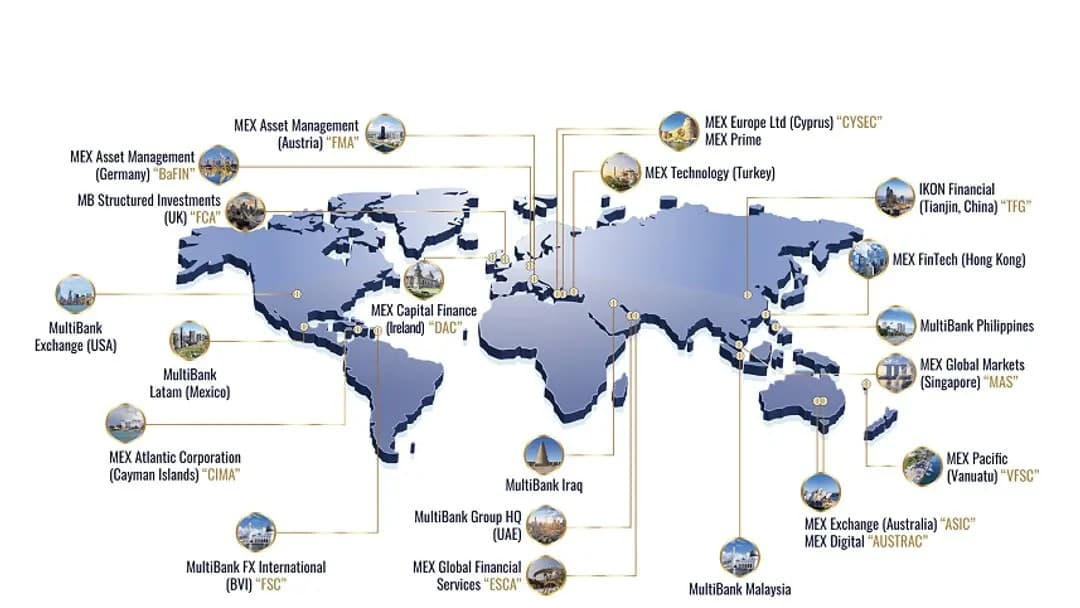
In a landmark case, defendants are claiming over $170 million for alleged misuse of a freezing order
Defendants in the high-profile case Mex Group Worldwide Ltd v Ford & Others are pursuing more than $170 million in damages over the alleged misuse of a worldwide freezing order obtained by Mex Group Worldwide Ltd (MGWL). This claim follows significant court rulings, wherein it was established that the freezing order was weaponised against the defendants, rather than the collapse of the original £85 million conspiracy lawsuit initiating the conflict.
In a ruling delivered on 17 March 2026, Mr Justice Griffiths of the High Court ordered a formal inquiry into the financial losses incurred by the three defendants: Stewart Owen Ford, Brian Robert Cormack, and Regal Consultancy International Limited. Griffiths noted that the defendants had successfully presented a sufficiently arguable case regarding causation and loss, leading to a formal inquiry, even as a parallel order was issued for two additional defendants. Though Griffiths refused an appeal, a pending Supreme Court appeal remains active on technical grounds.
The inquiry will focus primarily on the losses directly linked to the freezing order. Stewart Ford is claiming $138.6 million for lost contractual benefits across multiple investment vehicles, while CSM Securities SARL is seeking more than €22 million due to losses attributed to trading discontinuation on its bonds. Additionally, Regal Consultancy International is pursuing over $14 million in lost investment revenues, as its role as a master introducer of CSM bonds was severely compromised. Brian Cormack has also launched claims for reputational damage stemming from professional disruptions.
A pivotal aspect of the inquiry concerns what Mr Justice Griffiths described as the deliberate "weaponisation" of the worldwide freezing order. The controversial timing of notifications made to financial markets just before the order was discharged on 7 August 2024 suggested intentions to inflict maximum damage at that critical moment. Griffiths remarked that this conduct bore “the appearance of an act of spite,” with no alternative explanation provided by MGWL.
MGWL's conduct has faced scrutiny since the beginning of this lengthy legal saga, initiated in October 2023. Together with the English High Court obtaining the worldwide freezing order, MGWL had also pursued a conspiracy claim in the Scottish Court of Session. However, the conspiracy case was abandoned in March 2025 as the company failed to sustain its allegations. Lord Sandison, in reviewing the abandonment reasons, deemed them unsatisfactory and granted costs against MGWL, relevant to concerns that litigation had been used against the defendants in a disruptive manner.
The fallout from the freezing order has been considerable. The English Court of Appeal discharged it in August 2024, citing MGWL’s failure to execute full and frank disclosure, which alone justified its termination. As proceedings continue, MGWL has been ordered to make an immediate payment of £284,379.57 and faces greater liabilities as the inquiry unfolds.
The authoritative inquiry, led by Griffiths J, will assess the damages caused by the freezing order and its ramifications across global financial institutions and stock exchanges. Experts will evaluate the full scope of the harm inflicted. This case has been described by independent legal analysis as a cautionary tale concerning the risks of pursuing such orders without appropriate disclosure, serving as a warning to future litigants.
As developments in asset recovery and further litigation unfold across various jurisdictions, this landmark verdict marks a significant chapter in the ongoing legal battles stemming from MGWL's actions.
 Copyright & permissions


__WEB_0.jpg&w=3840&q=60)







.jpg&w=3840&q=60)