


Business groups call on prime minister to scrap legal reforms
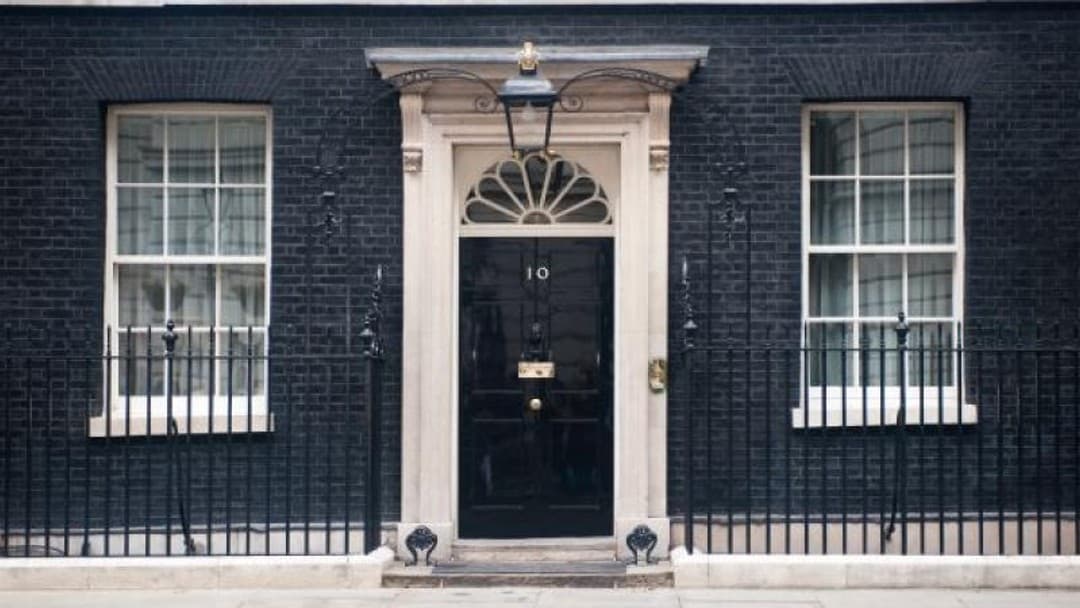
The government's commitment to ending the LASPO exemption on insolvency litigation is labelled 'misguided', 'anti-business' and 'flies in the face of available evidence'
LASPO will leave hundreds of millions of pounds in the hands of negligent and fraudulent directors, according to UK business groups.
The group has warned the government that legal reforms could cost creditors over £160m per year with 'rogue directors' the biggest beneficiaries.
From April 2015, insolvency litigation will no longer be exempt from 'no-win, no-fee' legal funding introduced by the Legal Aid, Sentencing and Punishment of Offenders Act 2012 (LASPO). This funding is often the only way creditors can afford to pay the legal fees incurred when trying to retrieve money from rogue directors.
A letter, signed by six influential business groups, including the Institute of Credit Management (ICM), and the British Property Federation, and sent to the prime minister, David Cameron and justice secretary Chris Grayling, has called on the government to scrap the proposed changes. It follows a High Court judgment that the Ministry of Justice (MoJ) failed to properly review its much-criticised decision to end the exemption for mesothelioma claims.
The letter claims the changes 'are anti-business, will increase tax avoidance and evasion, and will benefit directors of insolvent companies who have committed fraud or behaved recklessly'.
The letter also says the proposed changes 'fly in the face of available evidence' and that the MoJ's decision undermines business secretary's efforts to combat 'dodgy directors'.
Alongside defamation cases, mesothelioma and insolvency were originally temporarily exempted from the Jackson reforms to allow time for alternative funding mechanisms to be found. However, despite the lack of alternatives in both cases, the government plans to end these exemptions.
Giles Frampton, president of R3, the Association of Business Recovery Professionals, said: "Quite rightly the government has stressed the importance of cracking down on directors who misbehave, but it's these directors that will be the big winners from the end of insolvency litigation's Jackson exemption. Creditors - including the taxpayer and small businesses - will be the ones who lose out.
Frampton added: "The government's commitment to ending the exemption is misguided. The decision flies in the face of the available evidence and there has been no impact assessment on insolvency litigation. Insolvency litigation does everything the Jackson reforms were designed to protect. It's in the public interest, it keeps legal costs down, and it protects public funds. It makes no sense for the exemption to end."
"Without 'no-win, no-fee' funding, insolvency litigation will become unaffordable for all but the largest creditors. Rogue directors won't believe their luck," said Frampton.
Philip King, chief executive of the ICM, commented: "Money lost through suppliers or customers entering insolvency can threaten the survival of a business. It's crucial that the insolvency regime is equipped with the right tools to return creditors' money to them. Including insolvency litigation within the Jackson reforms would be a huge setback for creditors: it would see creditors' money stay in rogue directors' hands."

 Copyright & permissions












.jpg&w=3840&q=60)