Braithwaite v Slade: High Court rules ex-wife can direct sale of trust property without buying a replacement
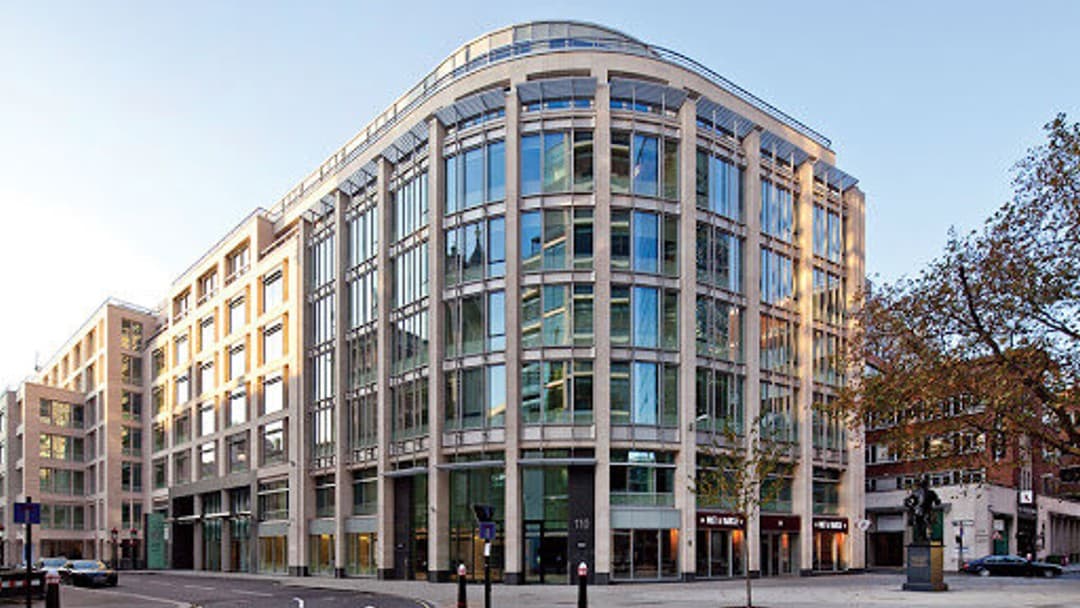
Lady Slade is entitled to have the Old Farm sold and proceeds invested for her income, Master Clark finds
A High Court master has held that the principal beneficiary of a divorce settlement trust may direct trustees to sell the sole property held within it without simultaneously directing the purchase of a replacement dwelling, in a judgement with implications for the construction of protective trust instruments.
In Braithwaite & Anor v Sir Benjamin Slade, Bt & Anor [2026] EWHC 1181 (Ch), handed down on 27 May 2026, Master Clark determined a preliminary issue concerning the true construction of a trust deed dated 13 May 1994. The deed had been executed by Sir Benjamin Slade as part of the financial arrangements following the dissolution of his marriage to Lady Pauline Carol Slade.
The trust and its assets
The trust held two principal assets: The Old Farm, Lower Rydon, West Newton, Bridgwater, Somerset, valued at £585,000 in July 2022, and a dividend income fund investment with Northern Trust worth approximately £556,000 as at May 2025. Under the deed, Lady Slade was the "Principal Beneficiary" entitled to income during her lifetime under protective trusts, with Sir Benjamin named as remainderman. Lady Slade had lived at the property until approximately 2023, after which it remained unoccupied.
In August 2024, Lady Slade wrote to the trustees confirming she had no intention of returning to the property and giving her "full consent" to a sale, requesting that the net proceeds be invested to enhance her income. Sir Benjamin took the position that a direction to sell without a corresponding direction to acquire a replacement property was ineffective under clause 4(3) of the deed. The trustees, neutral as to the outcome, issued proceedings to resolve the impasse.
The construction dispute
The central question was whether clause 4(3), which gave Lady Slade the power to direct the trustees to sell the property and apply the proceeds "in the acquisition of such further freehold dwelling as they may likewise be directed", required a conjoined direction to purchase a replacement before any sale obligation arose. Sir Benjamin argued that the clause created inseparable obligations and that converting the property into an income-producing investment was never within the trust's purpose.
Master Clark rejected that analysis. Applying the principles in Marley v Rawlings [2015] AC 129, he identified the overall purpose of the trust as providing Lady Slade with income during her lifetime from the entirety of the Trust Fund, which by the deed's own definition encompassed the property. The phrase "money investments and property from time to time respectively representing the same" in clause 1 expressly contemplated that the property might be sold and represented in the fund by money or other investments.
Clause 4(3): two separate powers
The Master held that clause 4(3) conferred two distinct powers on Lady Slade. The first was the power to direct a sale of the property. The second, entirely separate, was the power to direct that some or all of the net proceeds be used to acquire a replacement dwelling. The use of "may likewise be directed" in relation to the purchase of a replacement, alongside the mandatory language requiring the trustees to sell if directed, pointed firmly to a disjunctive rather than conjoined structure. There was no basis for concluding that Lady Slade's beneficial interest in the net proceeds reverted to Sir Benjamin if she declined to exercise the second power.
The Master further observed that the trustees do not in any event require a direction from Lady Slade to effect a sale. Provided she consents in writing as required by clause 4(2), they may exercise their general powers under clause 1 to sell the property, and are then obliged under clause 5 to invest the proceeds and pay the income to Lady Slade.
Counsel for the claimants was Hugh Cumber of Loxley Solicitors Limited; Robert Deacon appeared for Sir Benjamin on direct access.
 Copyright & permissions

-cropped-a0w29ejw.jpg&w=3840&q=60)