B&Q v Wren Kitchens: High Court limits extended disclosure in trade mark dispute
Deputy judge largely refuses Wren's request for wider disclosure, citing proportionality and £1.4 million budgets.
The High Court has rejected most of a defendant's attempt to widen extended disclosure in a comparative advertising dispute, citing disclosure budgets approaching £1.4 million.
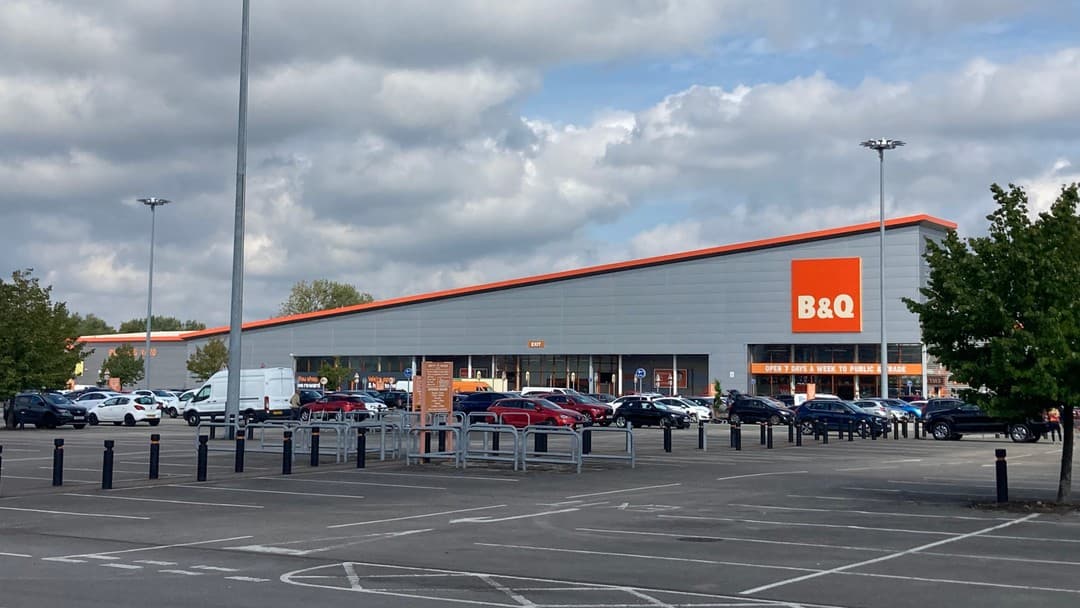
In B&Q Limited v Wren Kitchens Limited [2026] EWHC 2552 (BP), David Stone, sitting as a Deputy High Court Judge, considered Wren's application under paragraph 18 of Practice Direction 57AD to vary the Disclosure Review Document. B&Q sues for trade mark infringement under sections 10(1) and 10(3) of the Trade Marks Act 1994 over eight sets of advertisements comparing kitchen prices. Wren says the comparisons were true, and counterclaims over B&Q's reliance on comparison tables from a review website that B&Q describes as independent. Proceedings began in 2022 and trial is listed for 26 October 2027.
Wren had to show that varying the order was necessary for the just disposal of the proceedings, and reasonable and proportionate. The judge endorsed the "pragmatic, flexible" approach in Ventra Investments v Bank of Scotland, which requires a practical balance without ignoring the realities of the litigation.
Wren said most requests flowed from new counterclaims about in-store price stands and staff showing customers the review website. B&Q had offered further searches of two stores and of head office custodians for late 2017, but Wren wanted broader dates, more custodians and more keywords. B&Q said Wren was seeking to rerun searches because it disliked the outcome, noting that more than 600,000 documents had been ingested, 27,541 reviewed and 1,364 disclosed, at a cost above £600,000.
Where Wren succeeded
The judge added one custodian, a junior employee who had been asked to coordinate B&Q's activity on the issue and who might "just" hold documents not found elsewhere. He also extended the head office search to the end of 2018, reasoning that correspondence about any alleged promotional push could have continued beyond its supposed start. Wren also won on one issue concerning information available to consumers, because it related to newly pleaded claims and had never been searched. The parties are to agree its parameters, failing which the judge will decide without a hearing.
Where it failed
Most other requests were refused. The judge accepted a solicitor's evidence, verified by a statement of truth, that additional keywords would uncover nothing new, so further searching was disproportionate. He declined to add seven other recipients of an internal email because there was no evidence they had acted on it.
Requests about B&Q's relationship with the website's operator also failed. If relevant documents had been caught but withheld through a narrow reading of an issue, the judge said, they would be known adverse documents requiring disclosure anyway. He also warned that terms pairing a common first name with generic words would generate many false positives.
A search back to 2012, when the website was established, was rejected because B&Q denied involvement and no solid evidence contradicted it. The judge thought it commercially unusual for B&Q to help create the site yet wait until 2018 to exploit it, and noted that the pleaded issues concerned late 2017 onwards.
Image searching across 30 stores also fell. Its estimated cost had dropped from £400,000 to about £100,000, but the judge held that the spend was disproportionate given the unlikelihood of finding anything relevant.
B&Q must now conduct its offered searches as modified. Costs budgeting for disclosure remains outstanding and will be decided without a hearing if the parties cannot agree.
 Copyright & permissions