BPA v NXT: High Court gives claimant opportunity to amend in sexual assault and harassment claim
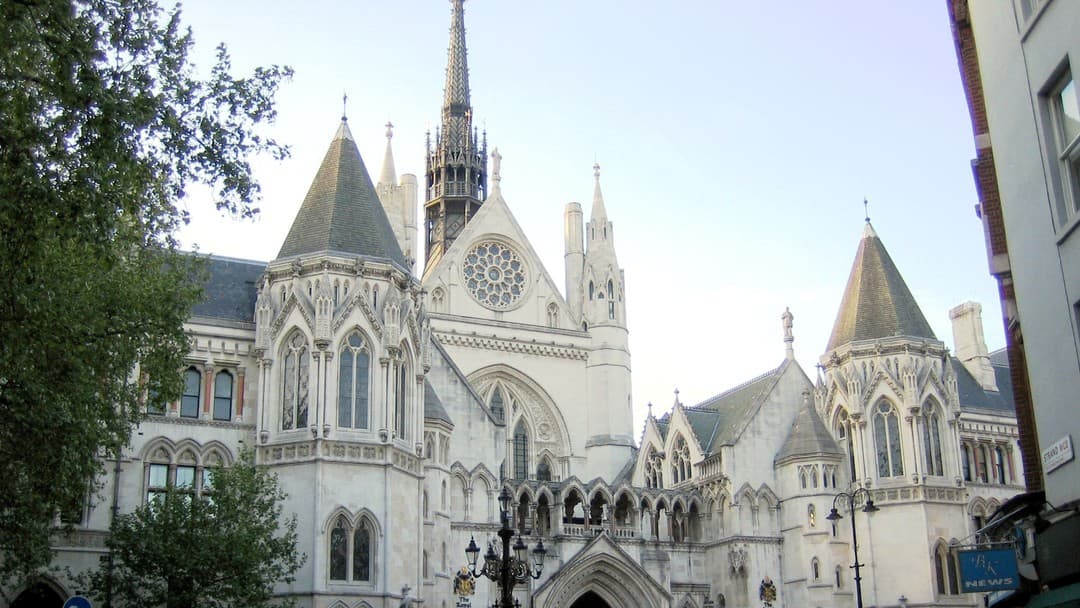
A High Court judgement illustrating the limits of striking out and the threshold for defendant anonymity in sensitive civil proceedings.
The King's Bench Division has declined to strike out a civil claim for sexual assault and harassment, instead granting the claimant four weeks to amend deficient pleadings — while simultaneously granting the defendant, a practising barrister, an anonymity order pending further proceedings.
In BPA v NXT [2026] EWHC 1095 (KB), Mrs Justice Heather Williams found the Particulars of Claim to be "unsatisfactorily vague" in several material respects. The rape allegations in paragraph 4 failed to specify the number of incidents, their dates, approximate times, locations, or any description of what was alleged to have occurred. The harassment pleading was similarly deficient: it was unclear which conduct was relied upon, and a reference to the defendant "including" an unsolicited email implied further unidentified acts. The Schedule of Loss was found wanting on comparable grounds, with no explanatory link drawn between the defendant's alleged conduct and the claimed losses for homelessness, business disruption, and disrupted education.
Despite those shortcomings, the judge declined to take what she termed the "draconian course" of striking out. Applying the principles in Soo Kim v Young [2011] EWHC 1781 (QB) and the White Book commentary on CPR 3.4, she held that the deficiencies appeared capable of rectification by amendment. The claimant, a litigant in person described as a vulnerable adult currently under specialist mental health care, confirmed she was willing and able to amend. "Unless" orders were attached to both the pleading and medical evidence directions, given the claimant's failure to address deficiencies flagged as long ago as December 2025 and her insistence, until the hearing itself, that her pleadings were adequate.
Three heads of claim were struck out by consent: alleged breaches of the Human Rights Act 1998, coercive control as a standalone cause of action, and breach of professional duties owed as a barrister. The judge noted that whilst coercive control under section 76 of the Serious Crime Act 2015 is a criminal offence, it does not constitute a tort in itself — though conduct of that character may, depending on the facts, also satisfy the test for harassment under the Protection from Harassment Act 1997. The claimant accepted the HRA position, acknowledging the defendant is not a public authority.
The summary judgement application was adjourned on the same terms as the strike-out application. The judge emphasised that the court will not conduct a mini-trial at the summary stage and will not go behind pleaded allegations save where there is plainly no real substance to them — applying the familiar framework from Easyair Ltd v Opal Telecom [2009] EWHC 339 (Ch).
On anonymity, Mrs Justice Williams granted the defendant's application, finding his Article 8 rights engaged in light of the gravity of the allegations and their potential to cause irreparable reputational and professional harm. Applying the principles in In re S [2005] 1 AC 593 and the JIH line of authority, and starting from the clear presumption in favour of open justice articulated in PMC v A Local Health Board [2024] EWHC 2969 (KB), the judge identified a series of cumulative factors: the claim remained at an early stage with no properly pleaded case yet advanced; there was evidence potentially undermining the allegations; no press application had been made to discharge the interim order; and the claimant herself was already protected by the Sexual Offences (Amendment) Act 1992. The order expressly preserves third-party rights to apply to vary or discharge it.
Costs were reserved. The judge noted that not all grounds advanced in support of the strike-out had been well-founded and that the costs of the anonymity application were likely bound up with the ultimate merits.
The claimant has four weeks to serve Amended Particulars of Claim and an Amended Schedule of Loss, and eight weeks to serve a supporting medical report. Failure to comply without a prior application for an extension will result in the claim being struck out.
 Copyright & permissions