


Arsenal seek High Court review on the number of summer concerts at Emirates Stadium
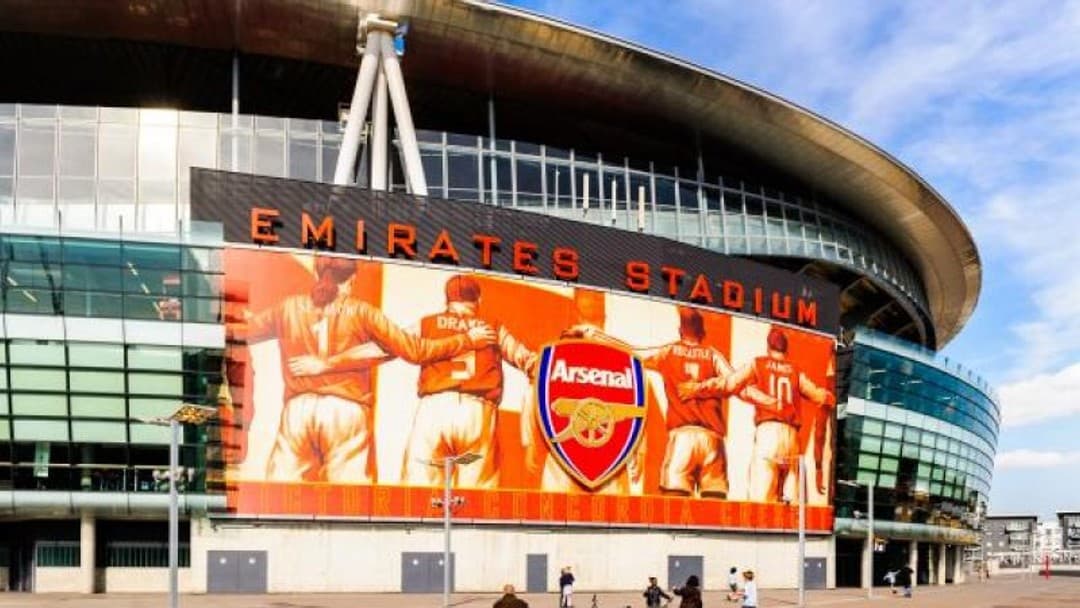
Islington council and planning inspector argue that there was no error in decision making process and the correct approach was followed
Arsenal Football Club has launched a High Court challenge over the number of concerts it can hold at its Emirates Stadium.
The club is currently limited to holding three concerts per year but wants this increased to six. Arsenal has argued that a "clear error" had been made by a planning inspector while opponents to the club's plans have expressed concern over noise levels and the effect of music fans on the surrounding area.
Islington council previously refused Arsenal's request to double the number of concerts held at the Emirates Stadium. The council said it was concerned about how noise and disturbance might affect local residents and the impact of closed roads and local tube stations being exit-only.
Following the council's rejection a planning inspector dismissed the club's appeal in January. The inspector stated in his decision that the premiership club could not plead poverty if it could afford to buy German midfielder Mesut Ozil for £43m the previous summer.
Arsenal's chief executive director, Ken Friar, argued that the club needed the additional revenue from concerts between the football seasons to compete with its footballing rivals.
Applying for judicial review, Dan Kolinsky of Landmark Chambers, who is representing the football club, told Mr Justice Cranston that the inspector's decision was legally flawed and should therefore not be allowed to stand.
Kolinksy argued that the inspector failed to apply the law correctly when he decided the proposal to double the number of concerts "did not accord with the development plan" for the stadium and that there was "a clear error on the face of the decision letter".
Update 30 June 2014
Arsenal's case was rejected today, by Mr Justice Cranston, who delivered his judgment in London, ruling that there had been no error of law made by the planning inspector.
|
Jeremy Phillips is a barrister practising from Francis Taylor Building "A planning inspector's decision, on High Court challenge, will be liable to be quashed if he fails to take account some material consideration, or takes account of some consideration which is irrelevant to the application. But the assessment of the considerations can only be challenged on the ground that it is irrational or perverse. The burden of proof is on the challenger. "While I have no knowledge of the detail of the case, the club is apparently suggesting that the inspector failed to apply the law correctly when he decided that the proposal to double the number of concerts 'did not accord with the development plan' for the stadium. Certainly, there was a duty to determine the application in accordance with the development plan, unless material considerations indicated otherwise. Addressing those claims it is likely that the court will look at what the inspector apparently thought the important planning issues were and decide whether it appears, from the way he dealt with them, that he must have misunderstood the relevant policies. |
 'Where to draw the line'
 Copyright & permissions











.jpg&w=3840&q=60)