Whiplash reforms face public backlash
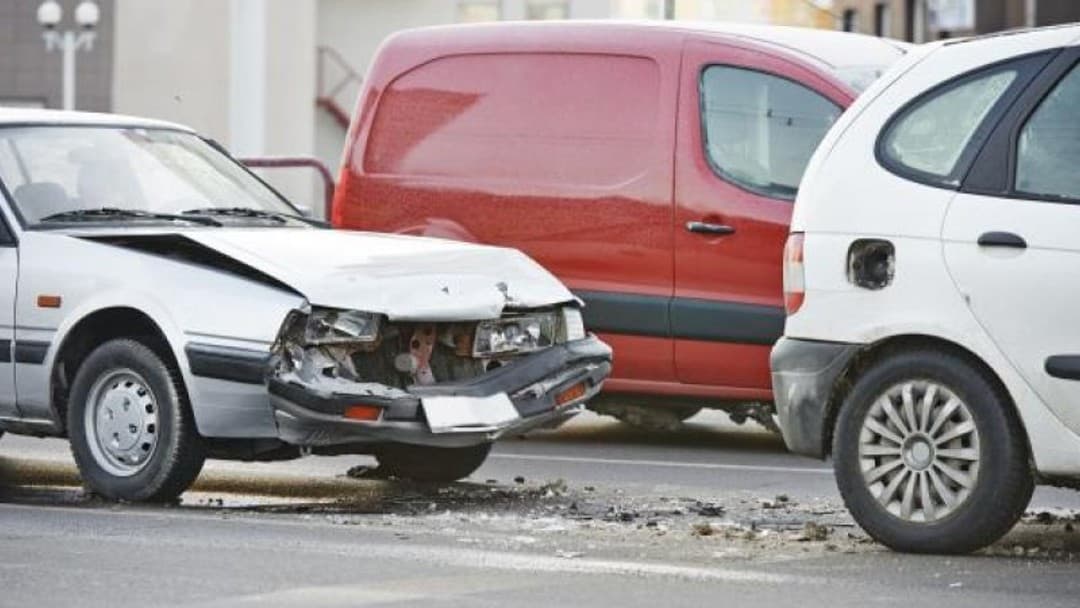
Recent polling by APIL reveals overwhelming public disapproval of whiplash reforms and their fairness to victims
In a recent study conducted by the Association of Personal Injury Lawyers (APIL), public sentiment regarding whiplash reforms has been thoroughly called into question. Fresh polling data shows that the vast majority of the public does not believe the compensation for whiplash injuries, based on a government-set tariff, is fair. “Only a tiny fraction of the public, just five per cent, think the compensation offered for whiplash injuries under the tariff is fair,” stated APIL chief executive Mike Benner, as the association prepares its evidence for the Ministry of Justice’s review of the reforms introduced in 2021.
Benner further asserts that the evidence collected “lays bare the categorical failings of the reforms, challenges their basis, and uncovers serious flaws with the system.” APIL enlisted Opinium to survey the public on their views regarding road traffic injuries that may have lasting impacts. The results revealed that “the rhetoric at the time of the Civil Liability Act’s passage was that ‘low value’ injuries like whiplash are minor or trivial, and undeserving of compensation. This new polling shows there is overwhelming public support for compensating these types of injuries.”
Notably, among those polled who reported experiencing whiplash, a staggering 90 per cent indicated they struggled with daily activities or required assistance to carry out their usual routines. Furthermore, 43 per cent of respondents mentioned taking sick leave or reducing their working hours in the wake of their injuries. “Motor insurers are now lobbying to extend the tariff to further types of injury. The public must not be cheated again,” Benner remarked.
He emphasised, “The reforms have had a devastating impact on access to justice for injured victims of negligence and have failed to reduce the cost of motor premiums. We made this clear at the time. Injured people were always the wrong target.” According to Benner, if the Government genuinely aims to reduce costs for policyholders, there must be an examination of repair and hire costs associated with motor insurance claims.
He also noted, “The work proposed by the Motor Insurance Taskforce on repair and hire costs should be monitored to ensure that it tackles the excessive costs in these areas.” Benner concluded with a warning that “any further reform to the PI sector would be unwarranted, misinformed, and would exacerbate the existing unfairness for injured people since 2021.” The findings of the APIL research highlight growing dissatisfaction among the public and underscore the need for a reevaluation of the current whiplash compensation framework.
 Copyright & permissions