Addison Lee ordered to pay drivers

A tribunal judge criticises Addison Lee’s conduct, ordering significant legal costs to be paid to drivers
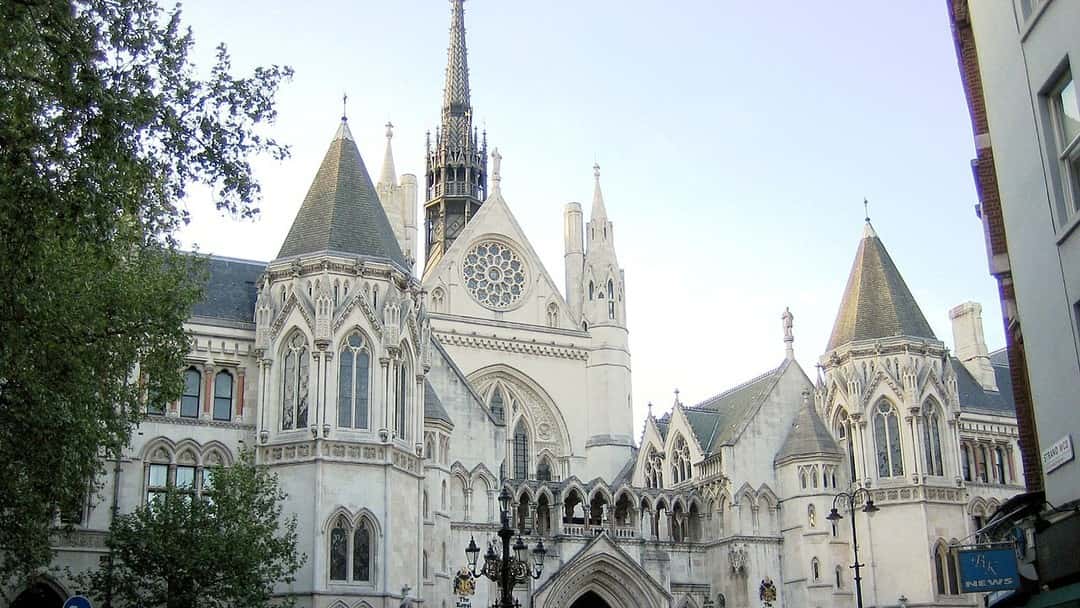
In a significant ruling delivered on 5 December 2025, Addison Lee has been called out for its “unreasonable conduct” by an employment tribunal judge in relation to its previous actions, including the falsification of documents. This judgement compels the company to pay approximately £200,000, pending court assessment, to cover legal costs incurred by drivers in connection with disclosure, witness statements, and trial preparations. Around 800 drivers, represented by Leigh Day, had previously characterised Addison Lee’s behaviour as “vexatious, abusive, disruptive and unreasonable” during a costs application.
The backdrop to this development includes the tribunal’s January 2025 decision affirming that Addison Lee drivers are entitled to workers’ rights such as holiday pay and the national minimum wage. This ruling stemmed from earlier legal disputes beginning in 2017, when three drivers were officially recognised as workers, leading to the influential Supreme Court ruling in 2021 favouring Uber drivers, which significantly impacted employment law in this sector.
A key component of Addison Lee’s argument relied on a 2020 directive suggesting that drivers could choose their own hours without facing penalties for rejecting work. However, shortly before the hearing commenced, it was revealed that both the Chief Operating Officer and the operations director admitted the email that supported this claim was a forgery. Leigh Day’s lawyers contended that the credibility of Addison Lee’s entire case was undermined by this false evidence.
Employment Judge EJ Hyams reflected on Addison Lee's conduct in issuing the ruling and noted that although the company eventually “came clean” about the fake document, it does not negate the fact that “that document was false and was relied on by the respondent as a key part of its case that sanctions were no longer imposed on drivers who refused jobs after 2017.” Judge Hyams asserted, “I had no doubt that the respondent’s conduct in its defence of the claims of the claimants had been unreasonable... I also had no doubt that that conduct had led the claimants to incur costs which, if the conduct had not occurred, the claimants would not have incurred.” He added that the case reflected efforts to evade compliance with the Supreme Court’s Uber decision.
Looking ahead, the Employment Tribunal is set to conduct a remedy hearing in February 2026, during which compensation for backpay related to holiday pay and minimum wage rights will be discussed. For drivers with extended service durations, the amount owed could be considerable. Liana Wood, an employment partner at Leigh Day, commented on the rarity of cost awards within the Employment Tribunal and emphasised that the ruling reinforces the challenges faced by workers against large employers with ample resources. “The tribunal’s findings send a strong message that attempts to mislead or obstruct the process will not be tolerated,” she noted, affirming the firm’s commitment to ensuring justice for their clients after prolonged struggles for their rightful compensation.
 Copyright & permissions