
Weakening of internal monitoring officers puts local authorities at significant legal risk
By Law News and Peter Ware
Local council monitoring officers, those legally required to ensure councils act within the law, lack influence at the top table
The report concludes that monitoring officers are increasingly responsible for governance of new companies that have been set up by local authorities to carry out commercial activity. Yet, a lack of effective statutory protection, the absence of meaningful sanctions, tensions with commercial objectives and a lack of seat at the top table leaves many of them undermined. This risk is compounded by severe underfunding.
The report finds there are two main drivers of the challenges faced by monitoring officers today - the changing budgetary environment and a weakened standards regime. This has led to their capacity being further stretched, issues with recruitment and succession planning, and most damagingly councils taking on greater financial risks in the form of increased commercial activity.
Chief amongst the financial and legal risks mentioned by monitoring officers in the research was the operation of council companies. Since 2021, councils have been granted powers to set up companies for commercial purposes to seek new and much-needed forms of revenue. However, with innovation comes risks, and many of the most recent catastrophes in local government can be traced back to large-scale failed investments.
Based on in depth interviews with monitoring officers from local authorities across England (at all tiers and covering rural as well as urban areas), the report covers key recommendations. Most importantly, a review of council structures to ensure that monitoring officers have a status and position within the top tier of governance and the creation of a professional body for monitoring officers. A full list of recommendations are included below and within the report.
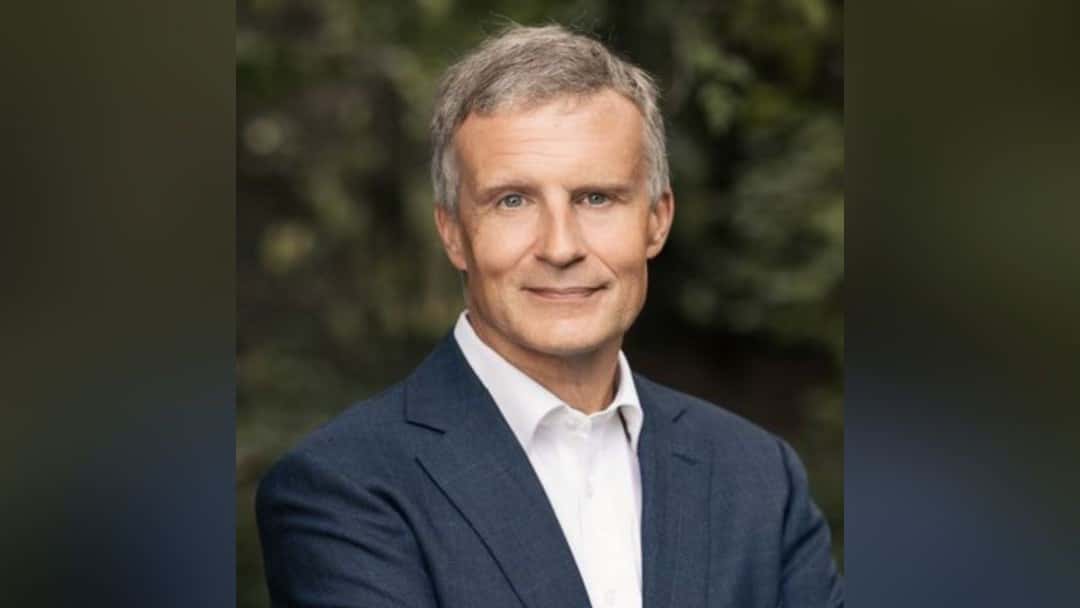
Peter Ware, Partner, Browne Jacobson, said: "We at Browne Jacobson are proud to have collaborated with LGIU and LLG on this report and welcome its findings. The report not only addresses the increasing issues facing monitoring officers and councils, it also provides key guidance for local government on how and why monitoring officers are crucial to delivering and improving councils’ services.
It's clear that the role of a monitoring officer is essential for ensuring high-quality legal governance of councils and for ensuring that the biggest challenges they face are well navigated. The issues raised within the report must be addressed in order for councils to keep up with the much-needed change."
Without the support of a robust standards and sanctions regime, monitoring officers often find themselves in difficult situations whereby they are exposed to personal intimidation or other forms of unprofessional behaviour if they take a stand on enforcing legal norms within the council. Many report stress and absence from work while some have even left the sector altogether.
Monitoring officers feel that the lack of clout in the available sanctions has fed a culture of disrespect and contempt for the rules and the institutional frameworks that govern them. Those that were interviewed as part of this research told us that a small minority of councillors see it as a badge of honour to have been through a grievance process as it demonstrates some sort of rebellious or anti-establishment behaviour.
 Copyright & permissions