Wallace Estates v Durkan Estates: Court gives first guidance on joint TCC and FTT case management
First joint TCC-FTT hearing sets template for managing overlapping Building Safety Act disputes.
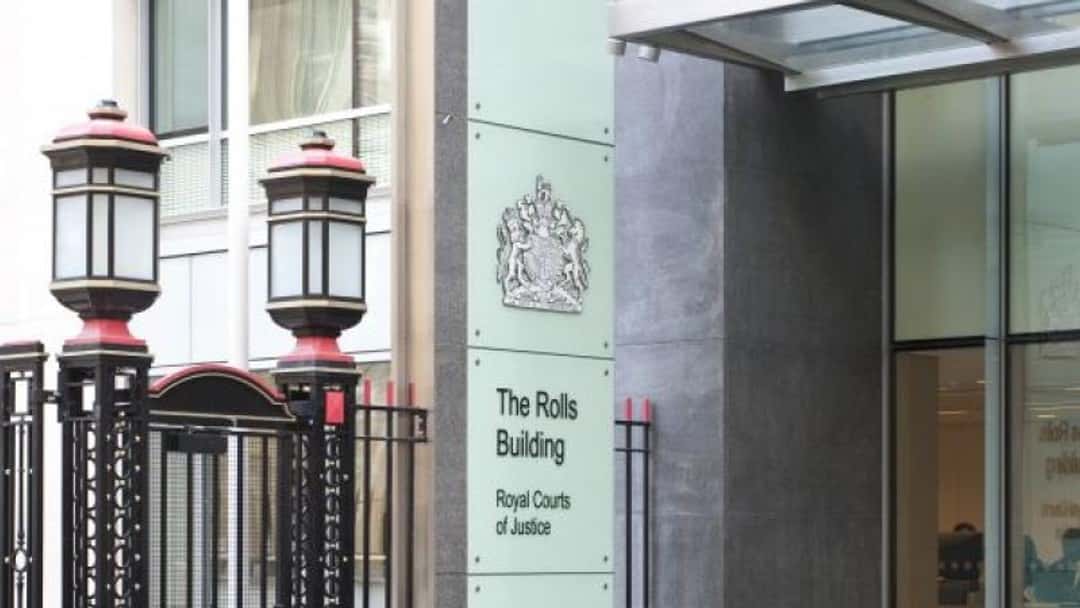
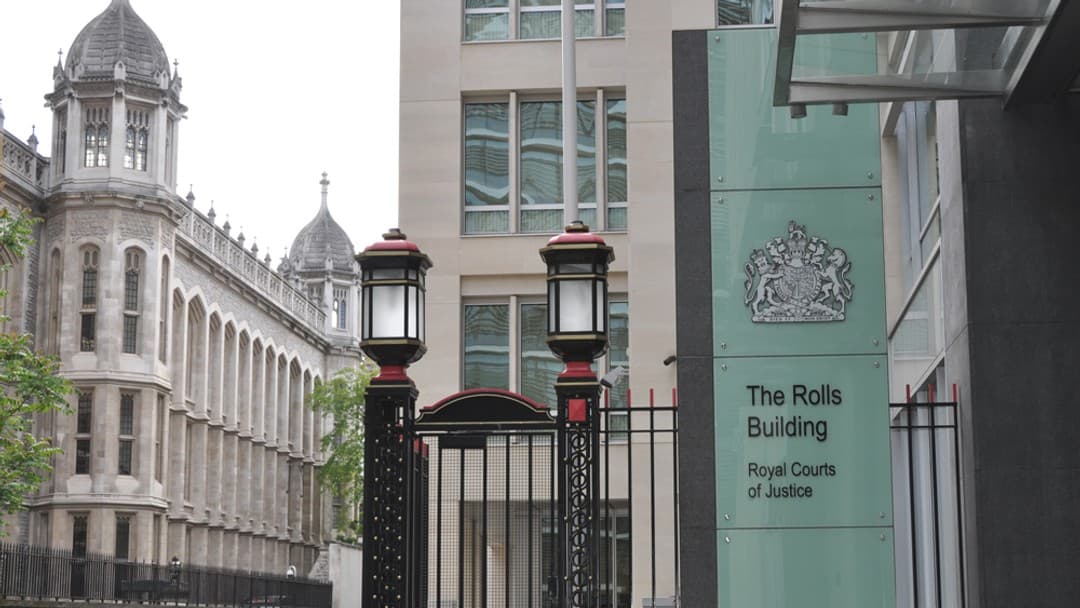
The Technology and Construction Court and the First-tier Tribunal (Property Chamber) have jointly handed down what is understood to be the first judgement of its kind, providing guidance on how overlapping proceedings under the Building Safety Act 2022 should be managed when parallel claims are brought in both jurisdictions.
In Wallace Estates Ltd v Durkan Estates Ltd & Anor [2026] EWHC 2133 (TCC), Mr Justice Constable, sitting alongside Judge Siobhan McGrath, President of the FTT's Lands Chamber, approved directions for the joint case management and eventual joint trial of a remediation contribution order application before the FTT and a related contractual dispute before the TCC.
Background
The dispute concerns Centrillion Point in Croydon, where Durkan Estates Limited agreed under a 2024 remediation agreement to remedy defects at its own cost. After the FTT refused Wallace Estates an extension of time to comply with a remediation order and Wallace subsequently terminated the agreement, it took over the remedial works itself. Wallace has since applied to the FTT for a remediation contribution order under section 124 of the Building Safety Act 2022 against Durkan and its parent company, presently estimated at over £13.5 million.
Durkan issued separate proceedings in the TCC seeking a declaration that the termination was unlawful and damages, while accepting responsibility for the defects and making an open offer to fund the remedial costs. Wallace counterclaimed, also alleging further defects not covered by the original remediation order. An earlier application by Wallace for reverse summary judgement was dismissed in July.
Joint management
Both parties ultimately agreed that the FTT and TCC proceedings should be managed and tried together, given the substantial overlap of facts and issues and the risk of inconsistent findings if they proceeded separately. The court noted that although the dispute does not fall within the strict definition of proceedings covered by the newly drafted section 9 of the TCC Guide addressing Building Safety Act cases, the same underlying rationale of consistency and cost avoidance applied.
The judgement sets out how a single composition of judges, comprising both a TCC judge and an FTT judge, can preside over both sets of proceedings without any need for separate appointment, drawing on provisions in the Tribunals, Courts and Enforcement Act 2007. The court decided against including a professional tribunal member, given the technical expert evidence already anticipated in architecture, fire engineering and quantity surveying.
The accompanying order provides for a single set of disclosure, witness statements and expert evidence to serve both proceedings, with cross-use permitted between the FTT and TCC by consent, avoiding the duplication that would otherwise arise from the differing procedural rules in each forum. Given the differing costs regimes, with the FTT operating largely as a no-costs jurisdiction, the parties will maintain separate cost codes distinguishing work done solely for each set of proceedings from work done jointly.
A twelve-day trial has provisionally been listed for January 2028, with an earlier October 2027 date held in reserve in case earlier court time becomes available given the TCC's high settlement rate.
The court expressly declined to rule on the underlying question of whether the FTT has jurisdiction to determine issues of unlawful termination, noting this had not been argued given the parties' agreement to proceed jointly, and left open the question of how divergent appeal routes from the two jurisdictions might ultimately be reconciled.
 Copyright & permissions


-cropped-a0w29ejw.jpg&w=3840&q=60)