

Upper Tribunal rejects City Doctoral Researchers Association's Charity Commission appeal
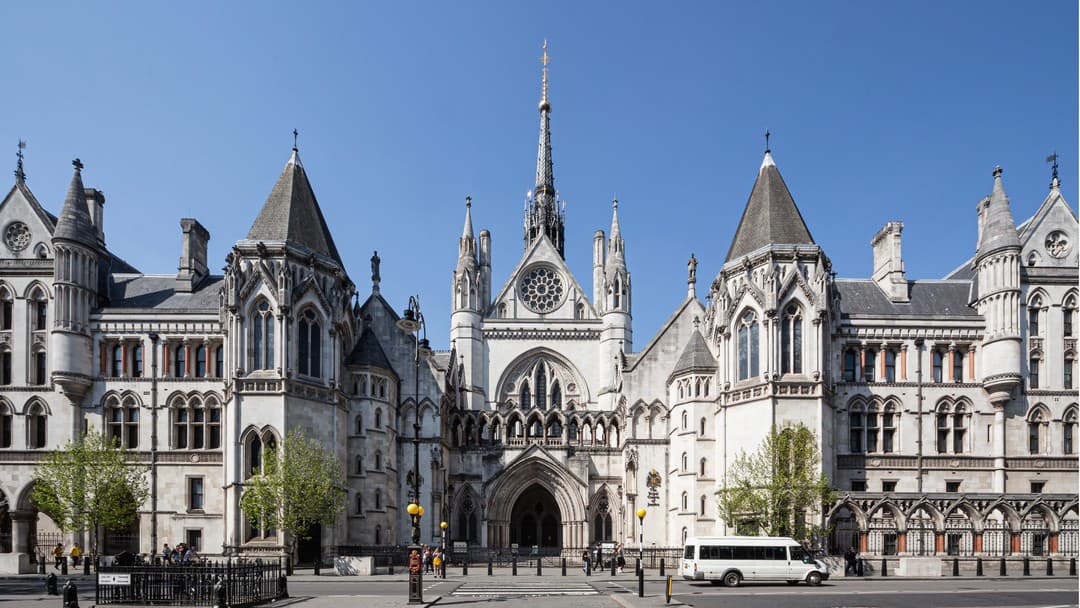
Tribunal finds Commission inaction is not a decision capable of appeal under charity law.
The Upper Tribunal has refused permission to appeal in a case examining the limits of the First-tier Tribunal's jurisdiction over Charity Commission decisions, finding that a regulator's decision to take no action on a complaint cannot itself be challenged as a decision under section 34 of the Charities Act 2011.
City Doctoral Researchers Association had sought to appeal three First-tier Tribunal (General Regulatory Chamber) decisions striking out its appeals against the Commission for want of jurisdiction. The underlying complaints concerned the conduct of three institutions towards the association's members: the Office of the Independent Adjudicator for Higher Education, the European Academy of Optometry and Optics, and City, University of London Students' Union. In each instance the Commission had declined to act on the association's complaints, and the FTT held it had no jurisdiction to entertain appeals against that inaction.
Judge Nicholas Aleksander, sitting in the Tax and Chancery Chamber, had already refused permission to appeal on the papers in July 2026. The association sought reconsideration at an oral hearing on 14 September 2026, attended by its General Secretary, Flavio Fellica.
The dispute turned on the table in Schedule 6 to the Charities Act 2011, which sets out the categories of Commission decision against which an appeal lies to the FTT. The association argued that the Commission's refusal to act on its complaints amounted to a decision not to remove the relevant institutions from the charity register under section 34, and that its members, as affected parties, therefore had standing to appeal. It relied on Padfield v Minister of Agriculture, Fisheries and Food and R v Secretary of State for the Home Department, ex parte Fire Brigades Union in submitting that a failure to make a decision was itself justiciable.
The FTT had found that the Commission's correspondence showed no intention to exercise any statutory power or make any decision at all in respect of the complaints, and that mere inaction could not be equated with an active decision not to remove an institution from the register. Without such a decision, there was nothing capable of founding an appeal, and the appeals were struck out under Rule 8(2) of the Tribunal Procedure Rules, which requires the FTT to strike out proceedings falling outside its jurisdiction.
Judge Aleksander agreed. He held that the authorities relied upon by the association concerned the considerably wider jurisdiction of the High Court in judicial review, which is not confined by statute in the way the FTT's jurisdiction is. The FTT, he noted, possesses only the powers conferred on it by the Charities Act 2011, and those do not extend to reviewing a Commission decision to decline to make any determination under section 34.
A separate argument, that the FTT could review the matter as a "reviewable matter" concerning the institution of inquiries under section 46, was also rejected. Section 321(2) of the Act restricts standing for such reviews to the Attorney General or those with control or management of the institution concerned, a category that did not include the association or its members. Amendments introduced by the Charities (Protection and Social Investment) Act 2016 were found to confer no additional right of appeal either.
The association further alleged procedural unfairness in the FTT's conduct of the proceedings. Judge Aleksander found this argument had no realistic prospect of success in any event, since even a successful challenge on that basis would only lead to the appeals being remitted or remade, with the same jurisdictional bar producing the same outcome. He added that he remained unpersuaded any procedural injustice had occurred.
Permission to appeal was refused.
 Copyright & permissions






.jpg&w=3840&q=60)


