Untapped solar capacity could power homes
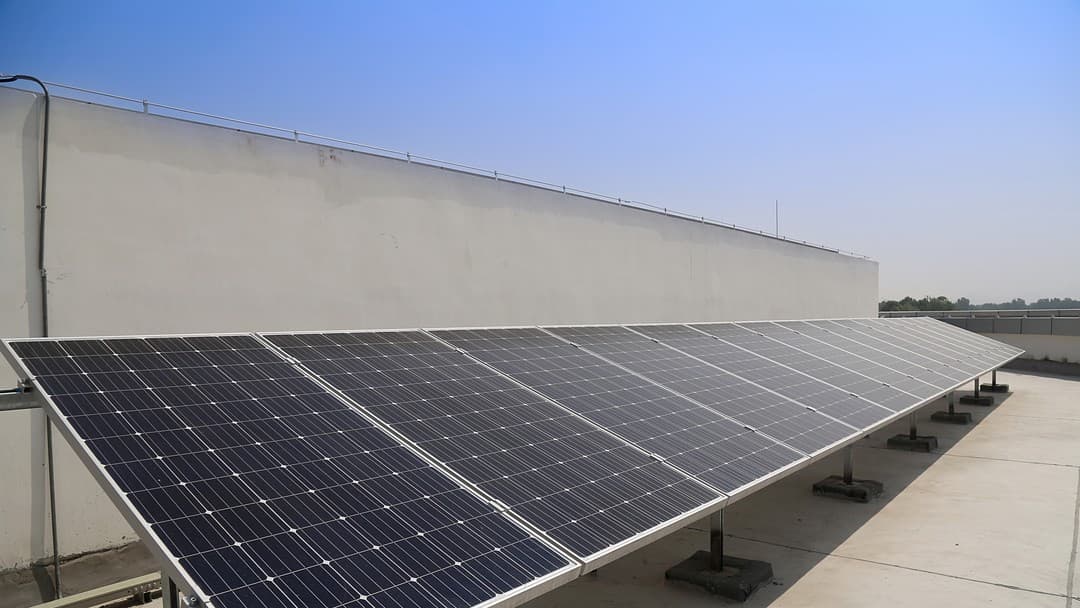
A recently commissioned report by Real Estate:UK, in partnership with Forsters and Push Power Ltd, has unveiled groundbreaking insights regarding the untapped solar capacity atop commercial buildings in the UK
Authored by Cushman & Wakefield, the report finds that over 90% of suitable commercial roofspace remains unused for solar deployment, which could generate an astonishing 60 gigawatts (GW) of renewable energy. This output is equivalent to the energy produced by nearly 20 nuclear power stations, enough to power approximately 20 million homes annually.
Andrew McEwan, Partner at Forsters, highlights the urgency of utilising this potential by stating, “Today’s findings reveal the true scale of untapped potential in the UK’s solar landscape. It is clear that almost all stakeholders involved in the real estate sector are keen to make more of that potential but are too often held back by a complex patchwork of commercial, technical and legal constraints – particularly when landlords are looking to roll out solar across tenant-occupied portfolios.”
Despite the promising statistics, less than 10% of suitable commercial rooftop space has seen any solar installation, contributing only 3-5GW of capacity. The research team notes that moving beyond these limitations is crucial for decarbonising the built environment, which currently emits a significant portion of the UK’s greenhouse gases. The report underscores the robust business case for rooftop solar, predicting a 20% Net Yield for tenant-funded installations and 12% for those funded by landlords.
The environmental benefits of rooftop solar are equally compelling. With the potential to save 53 tonnes of CO2 emissions every year, the advantages for building sustainability and energy pricing stability are clear. Furthermore, the report argues that expanding solar capacity on commercial properties can alleviate pressures on agricultural land under scrutiny for its use in solar farming, addressing concerns about food security.
However, the report identifies several barriers that hinder the widespread adoption of solar energy in the commercial property sector. Rob Wall, Assistant Director at Real Estate:UK, points out, “Solar energy has a critical role to play in the UK’s energy transition, and commercial real estate has the potential to be a major player in the generation of rooftop solar.” He further stresses that ambitious plans require significant policy reform to hasten the adaptation of solar technology in commercial spaces.
The research outlines seven specific policy recommendations to unlock this potential, which includes offering clear regulatory frameworks, simplifying legal procedures, and enhancing investment in grid infrastructure. These changes are vital for alleviating the financial and logistical constraints currently stalling the solar energy revolution in the commercial sector.
Andy Khan, Managing Director of Push Power Ltd, concludes, “This important new report reveals the extent to which harnessing solar is critical to the UK’s green energy targets.” He expresses optimism that technological advancements and a collective push for policy change can make solar power central to the UK’s energy future.
The findings not only present a call to action for the commercial real estate sector but also indicate a path toward a greener, more sustainable energy landscape in the UK. By working collaboratively, stakeholders can realise the vast potential of rooftop solar energy, thereby playing a significant role in meeting national net zero goals and securing a clean energy future.
 Copyright & permissions