‘Unlawful’ migration policies and potential legal challenges
By Rubin Italia
Rubin Italia argues that despite its ascension, the Illegal Migration Bill faces significant challenges and legal controversies
|
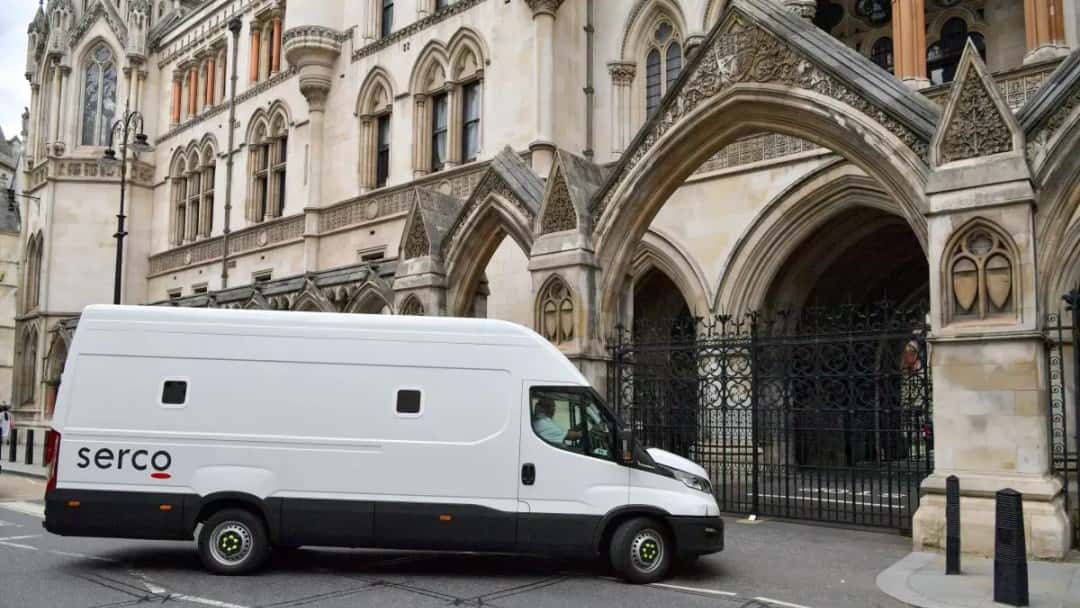
The Illegal Migration Bill is aptly named, given the legislation is an illegal attempt by the government to stop asylum seekers remaining in the United Kingdom despite their rights under the Geneva Convention. After strong challenges in parliament and fierce opposition from peers in the House of Lords, the government finally managed to force through the bill in July, albeit with heavy amendments to its original text. Despite this, the Court of Appeal has already ruled that the government’s Rwanda deportation policy is unlawful due to deficiencies in the Rwandan asylum system, with the Illegal Migration Bill also suffering 11 defeats in the House of Lords on the same day, with members backing amendments including limiting the detention of children and pregnant women and inserting protections for LGBTQ+ asylum seekers. The Court of Appeal heard the Rwanda case following a legal challenge to the current government policy to process asylum seekers in Rwanda and, if accepted as refugees, to settle them in the country thereafter. Judges found by a majority of two to one that there were serious concerns over sending individuals to Rwanda for processing and found that the government policy to do so was unlawful. The Illegal Migration Bill also seeks to curtail similar such legal challenges in the future. However, those concerned about liberal interpretation by the courts and lawyers regarding such measures must remember that the UK remains a signatory to the Geneva Convention, which seeks to assist asylum seekers wherever they are from and as such must always abide by its rules regardless of any domestic bills passed. These recent defeats over controversial migration policies demonstrate that, despite its recent passage into law, the government’s policy to “stop the boats” is unworkable at present and will remain so until the case reaches the Supreme Court and is ruled upon. At the same time, while the government has manufactured "safe routes" for Ukrainian citizens to enter the UK, they have not extended this legal route to refugees from other conflict zones such as Afghanistan, Iraq and Syria, thus creating a two-tier system built on illegal race-based discrimination. According to the Migration Observatory at the University of Oxford, there were over 3000 Afghani Applications in 2021. Those individuals will not be returned on the basis of the Home Office’s current policy and a significant number of those individuals had arrived on small boats crossing the channel. Their permission to remain in the UK starkly contrasts with the rejection of asylum seekers from Yemen or other war-torn areas which are officially recognised as conflict zones, who as such should receive refugee status automatically as well. When claiming refuge, there is no requirement under the Geneva Convention that refugees arrive legally, and as such asylum seekers who do not arrive via legal channels should not be vilified or considered illegal migrants. The government's insistence on legal means of entry fails to consider that persecuted refugees often do not have the means to make legal immigration applications or obtain visas, or are unable to do so for security reasons. Making legal applications may also risk alerting authorities in many refugees' home countries where they face persecution, making this an impossible option for many asylum seekers. |
 Copyright & permissions