

UK to raise social media age limit

The UK plans to increase the minimum age for social media access to 16, following Australia's lead addressing online safety for children
The UK government is poised to follow Australia’s initiatives by raising the minimum age for social media platforms to 16. This includes popular sites such as TikTok, Instagram, Threads, Facebook, X, YouTube, Snapchat, and Reddit. However, the proposed restrictions may be more extensive than those in Australia, potentially encompassing bans on romantic or sexual AI chatbots, as well as preventing children from communicating with strangers on gaming platforms.
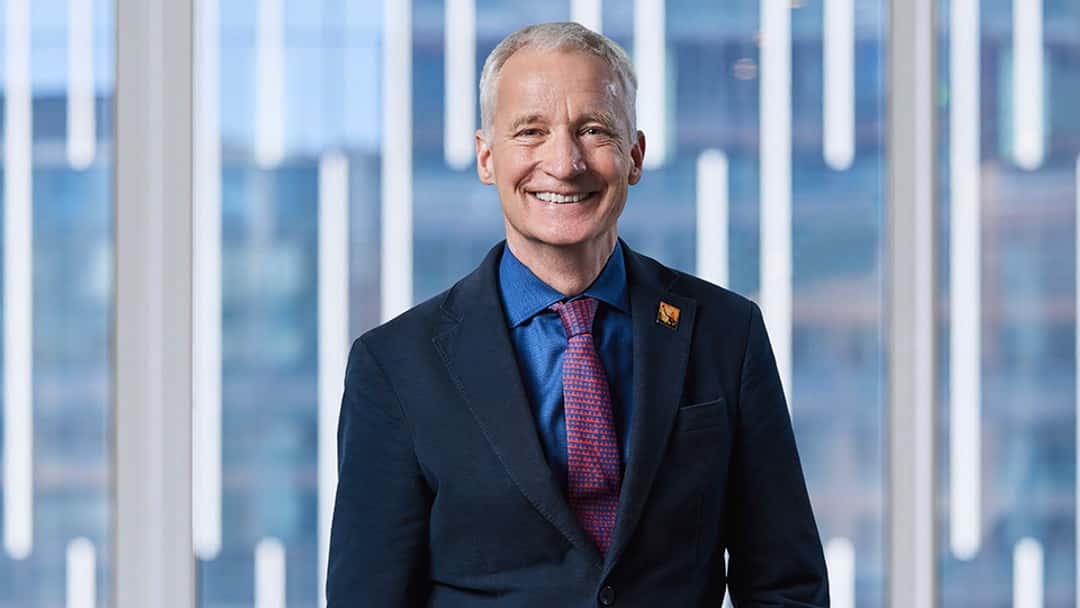
Mark Jones, an online harms expert at Payne Hicks Beach, voiced his concerns about the timing of these sweeping changes stating, "Announcing sweeping restrictions just weeks after the consultation closed raises valid questions about whether the evidence and feedback from participants has been fully assessed or whether the Prime Minister feels the need to do something radical to bolster his ratings." He elaborated that while some parents might welcome the legal backing for such a ban, its success heavily relies on enforceability. He cautioned against young people evading the restrictions, which could lead to parents losing sight of their children's online activities.
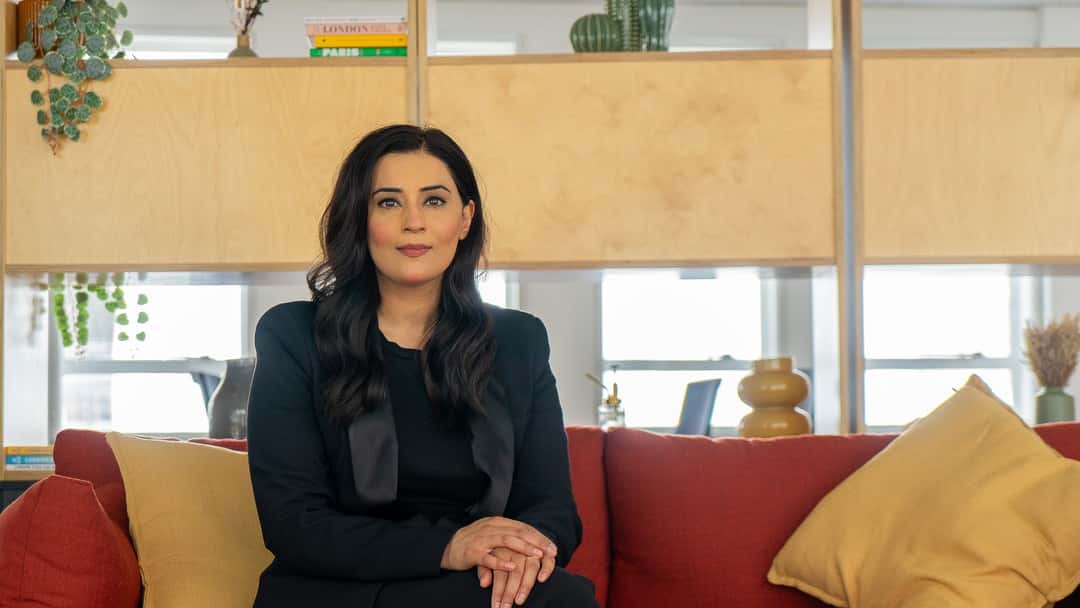
Zohaib Hashim, the founder and CEO of Blackmont Legal, urged that if the UK enacts a ban on social media for those under 16, the effects on video games should also be considered. He highlighted that many contemporary games incorporate social elements that facilitate communication, making them akin to social media platforms. "If the aim of an under-16 ban is child protection, then we need to open up a conversation about the potential harms of video games," he said.
He pointed to the risks of grooming and abuse within gaming environments, stating, “Communication within games is often less visible, less regulated and more persistent than on traditional social media.” Hashim suggested practical reforms, such as tighter in-game chat restrictions and enhanced parental controls to help mitigate risks for young gamers. He stated, “By putting safeguards in place now, we can help children enjoy games while staying safe online.”
While concerns around violent gaming content often dominate discussions, Hashim referenced research from The University of Bristol indicating that the concern should be more about communication and anonymity online than the content itself. “The evidence increasingly shows it’s communication and anonymity that matter most,” he noted.
As the UK Parliament reviews the amendments to the Children’s Wellbeing and Schools Bill, which could lead to an outright ban for under-16s, a growing petition for a minimum age of 16 has garnered over 100,000 signatures. This legislative movement reflects a broader global trend, with various countries such as Australia, France, and Spain advancing their own age-related social media restrictions.
With the goal of improving online safety, Starmer's announcement indicates a clear shift towards stricter regulations. Alex Brown from Simmons & Simmons remarked on the need for social media companies to navigate the challenges of age verification, emphasising that the recent enforcement actions from the Information Commissioner's Office (ICO) showcase these difficulties. Brown stated, "The Prime Minister’s announcement signals a clear hardening of approach to online safety and, in particular, children’s use of social media."
Julian Hayes, surveillance and data protection lawyer at BCL focused on surveillance and data protection, warned that such sweeping measures might not fully address the complexities of young people's online behaviours. He highlighted potential contradictions in the proposed ban, asking how young people would develop digital resilience without prior exposure to the online world. The ongoing discourse around social media access for minors underscores the urgent need for a balanced, effective approach to ensuring their safety online while considering their social needs.
 Copyright & permissions






.jpg&w=3840&q=60)

