UK leads way in disrupting sanctions evasion network
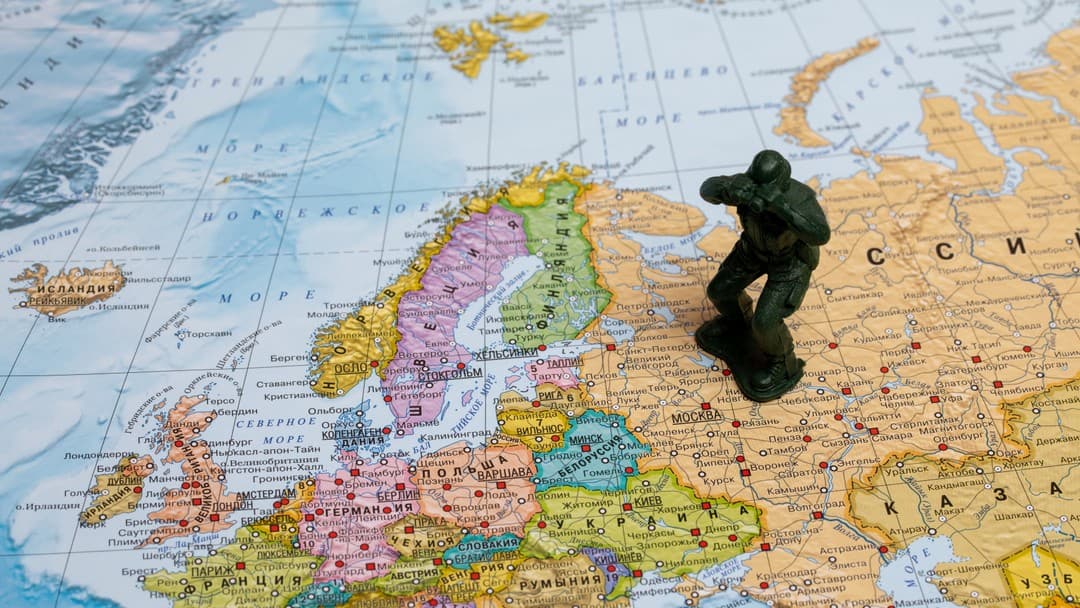
The UK is intensifying efforts to undermine Russian sanctions evasion networks while calling for global cooperation
In a decisive move, the Chancellor has ramped up pressure on Kremlin-backed networks associated with the Iranian regime during his first G20 meeting in North Carolina. John Healey expressed the need for allies to enhance international collaboration to “cut off the financial networks that fuel Russia's aggression,” as part of a robust strategy to prevent Putin from evading sanctions meant to finance his illegal war.
On 31 August 2026, the UK government, in partnership with the National Crime Agency (NCA), issued the first-ever national alert targeting the A7 network, notorious for its involvement in circumventing international sanctions through a web of intricate financial structures across various jurisdictions. This alert is aimed at empowering the private sector to clamp down on sanctions evasion and ensuring that Russia faces the true cost of its aggressive actions.
The A7 network has been found to work alongside Iranian state actors, underscoring the necessity to confront the network that facilitates illicit financial activities. Within just a year, A7 has reported executing over $86 billion in transactions, exploiting third-country financial institutions and corrupting the international financial system. In response to these challenges, the Chancellor is set to double the maximum penalty for sanctions breaches from 50% to 100% of the sanction's value, strengthening enforcement measures significantly.
Chancellor John Healey asserted, “We are ramping up the economic pressure on Putin and leaving those aiding his illegal war with nowhere to hide.” He reaffirmed the UK’s unwavering commitment to supporting the Ukrainian people, stating, “Our commitment to stand with the Ukrainian people is unshakeable. We will bear down on those propping up Putin’s war as we push to secure a just and lasting peace.”
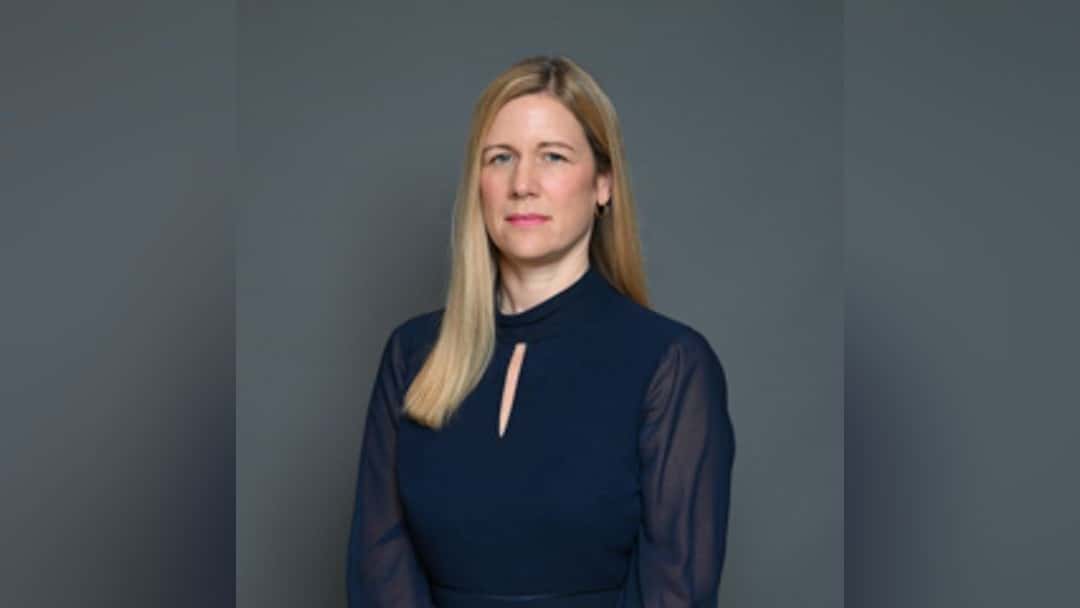
Rachael Herbert, Director of the National Economic Crime Centre at the NCA, confirmed the agency’s dedication to tackling the link between organised crime and sanctions evasion. She discussed the measures taken in Operation Destabilise to disrupt a major Russian-speaking money laundering network while liaising closely with the financial sector in public-private partnership initiatives.
The Chancellor attended the G20 meeting in North Carolina, where he engaged with global leaders, including the Managing Director of the IMF and finance ministers from the US, France, Germany, Canada, and India. This meeting reflects ongoing efforts by the UK government to enforce stringent sanctions against Russia, which have intensified since the onset of the invasion, now encompassing over 500 individuals, entities and vessels.
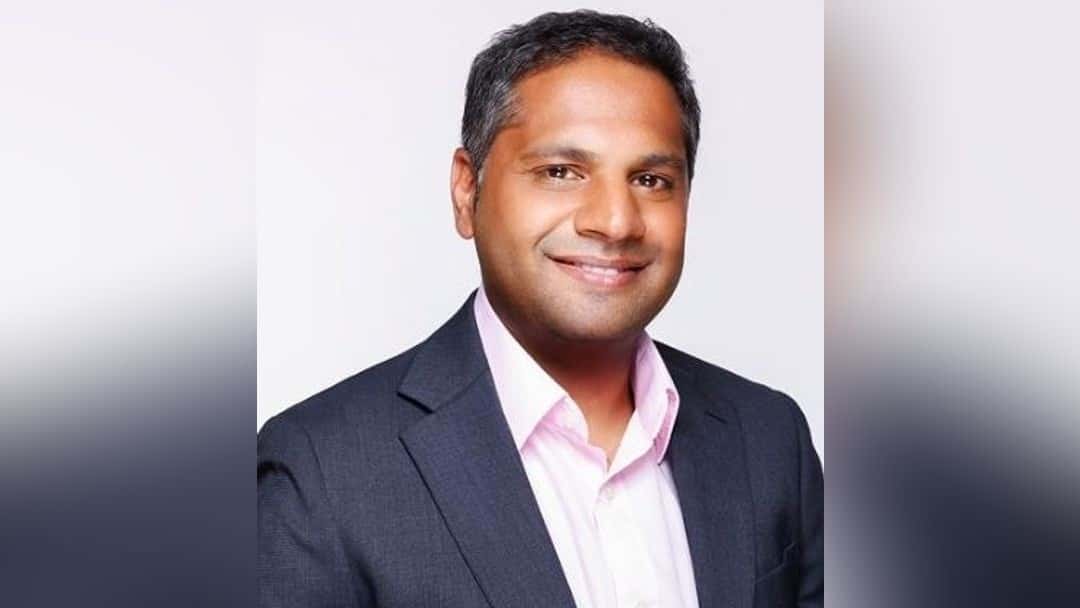
Legal expert Michael O'Kane senior partner at Peters and Peters remarked on the penalties enforced by the Office of Financial Sanctions Implementation (OFSI) stating, “Most of the OFSI enforcement cases to date involve negligent breaches or systems/control failures in the face of an avalanche of sanctions over a very short period of time,” suggesting that the increase in penalties might not deter intentional sanctions breaches on UK soil.
As the UK assumes a leadership role in disrupting global sanctions evasion networks, efforts to foster international unity remain critical in ensuring sustained pressure on Russia and its affiliates
 Copyright & permissions