
Tackling bribery in sport
Angelika Hellweger examines Barcelona FC's bribery trial's impact on sports corruption
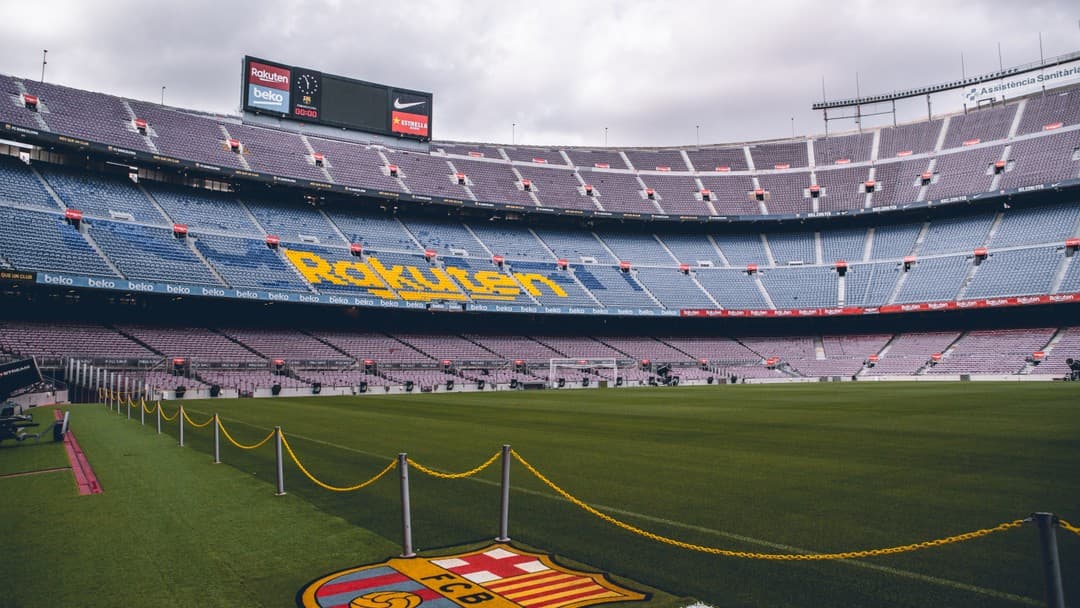
Footballing giant Barcelona is facing a bribery trial over a refereeing scandal that could have major implications for the Spanish club’s future.
Judge Joaquin Aguirre Lopez has examined the public prosecutor’s case against the club and key individuals, which is focused on alleged illegal payments made to José María Enríquez Negreira, the former vice-president of the Spanish refereeing committee. And he has ruled that the trial can go ahead.
The allegations are that payments of €7.7m were made to Negreira between 2001 and 2018, for what the club claim were “technical reports” on referees. The club is named as a defendant, along with former club presidents Josep Maria Bartomeu and Sandro Rosell and Negreira’s son, Javier Enríquez. It has also been reported that Barcelona’s current president, Joan Laporta, is under formal investigation in relation to the scandal.
The individuals face the prospect of between three and six years in prison if found guilty. Barcelona, however, could be suspended from trading as a professional football club, which could have catastrophic implications for its future.
The fact that the judge has said he views José María Enríquez Negreira as having been a public servant when the alleged bribery occurred could make the situation even more serious for the accused. Although while the judge has said that he believed the case demonstrated that Barcelona did obtain advantages from referees, it will be for a jury to decide this.
For a club that has been bedevilled by financial problems in recent years and is in the process of building an expensive new stadium, the bribery allegations have to be seen as a major headache – and even a threat to its existence.
Measures
Sporting organisations are well advised to implement measures which prevent - and improve the detection and reporting of - bribery, corruption and other forms of wrongdoing in sport.
Examples of such measures include:
- Developing codes of conduct that include corruption-related offences and conflict-of-interest policies for relevant members, in particular for those who receive public funds. A breach of the offences as listed in the code should always be subject to sanctions, depending on the gravity of the breach.
- Job rotation and/or the limitation of terms of office can assist in the battle against bribery/corruption because they prevent the level of familiarity between potential providers and recipients of bribes from becoming too great and reduce the likelihood of bribery going undiscovered.
- Establishing specialised units and sufficient internal control measures to assist in preventing, detecting and investigating acts of wrongdoing, including bribery and corruption. It is of utmost importance that these units have a direct reporting line to the senior leadership of the governing body.
- Developing mechanisms for open, confidential and anonymous reporting of all forms of wrongdoing.
 Copyright & permissions