Strengthening enforcement against water pollution
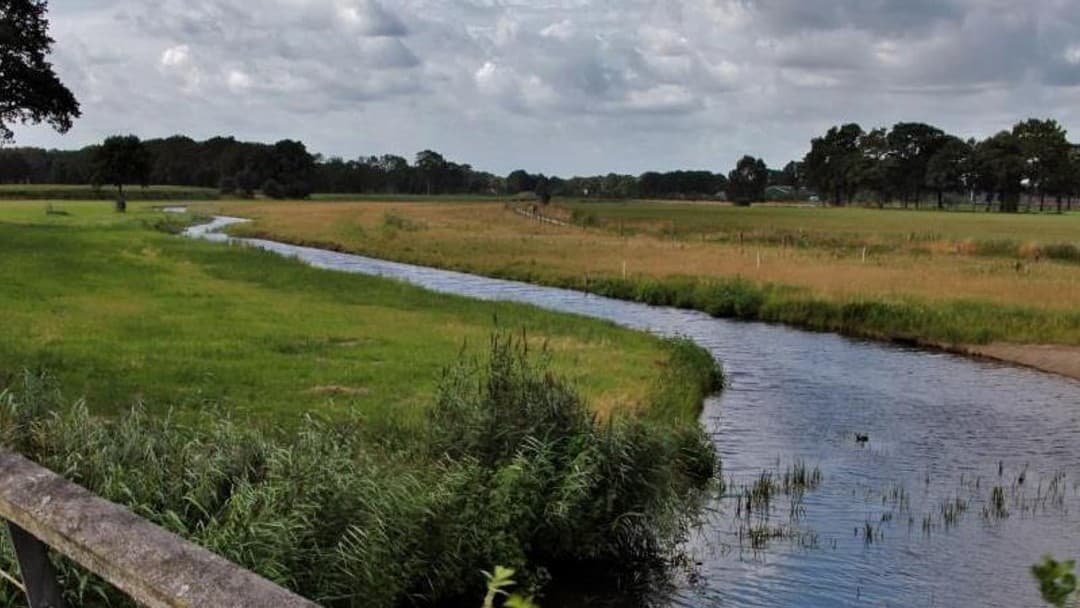
The Environment Agency has significantly expanded its water enforcement workforce, improving oversight and accountability for water companies
In a bid to tackle escalating water pollution, the Environment Agency has established its largest enforcement team to date, dramatically increasing its workforce from 41 roles in 2023 to 195 by March 2026. This expansion comes in response to years of declining environmental performance among water companies, necessitating a more robust regulatory approach. Water enforcement has thus become a central focus, aiming to deter illegal activities and promote a cleaner water environment.
The newly enlarged team is dedicated to investigating breaches of environmental regulations within the water sector. Enforcement officers carry out essential tasks such as inspecting facilities, collecting samples for analysis, and gathering evidence for legal prosecution. The emphasis on enforcement has yielded considerable financial results, with more than £6.9 million in undertakings paid by water companies last year for infractions, funds which will be used to clean the nation’s waterways.
To support this ambitious strategy, the Environment Agency has secured its largest budget for water enforcement, allocating a record £153 million for this financial year. This funding plays a crucial role in implementing a "polluter pays" principle, ensuring that water companies are responsible for covering enforcement costs, including investigations into breaches.
Helen Wakeham, the Environment Agency’s Director for Water, stated that the enhanced resources will enable more effective protection of waterways. She noted that "with more specialists and enforcement teams on the ground, the Environment Agency has more resources than ever to protect our waterways from pollution." Moreover, the expanded workforce is set to leverage a diverse range of measures to hold companies accountable, with actions ranging from formal notices to civil penalties and prosecutions.
Water Minister Emma Hardy highlighted the proactive role of these enforcement officers, stating that they are "already out on the ground carrying out thousands of checks on water companies." This increased enforcement capability is designed to help safeguard rivers, lakes, and seas while also restoring public trust in the environmental regulatory framework.
Alongside the workforce expansion, the Water (Special Measures) Act 2025 has introduced significant new powers aimed at improving company performance and accountability. This includes provisions for cost recovery, prison sanctions for obstruction, and the introduction of automatic civil penalties. Further enhancements to this legislative framework are expected, which will include statutory Pollution Incident Reduction Plans and swift monitoring of sewage overflows.
As part of its commitment to transparency, the Environment Agency is publishing its Water Industry Compliance Assessment Report forms online, allowing the public to better understand compliance assessments and the rationale behind enforcement decisions. This initiative reflects the government's broader strategy, as outlined in the recent Water White Paper, to overhaul the water system and enforce tougher accountability measures for water companies, ultimately striving for a healthier and cleaner water landscape across the UK.
 Copyright & permissions
.jpg&w=3840&q=60)

-cropped-6au25meu.jpg&w=3840&q=60)




.JPEG&w=3840&q=60)