Ilyas Seitayev wins Tribunal whistleblowing case

The Employment Tribunal has ruled in favour of Ilyas Seitayev, affirming his claim against Jusan Technologies Limited and its CEO Masudul Rony Wahid for whistleblowing detriment
Mr Seitayev, who worked as Chief Operating Officer, alleged that his contractually entitled termination payment of US$600,000 was withheld as punishment for raising internal concerns regarding high-value transactions involving Mr Wahid.
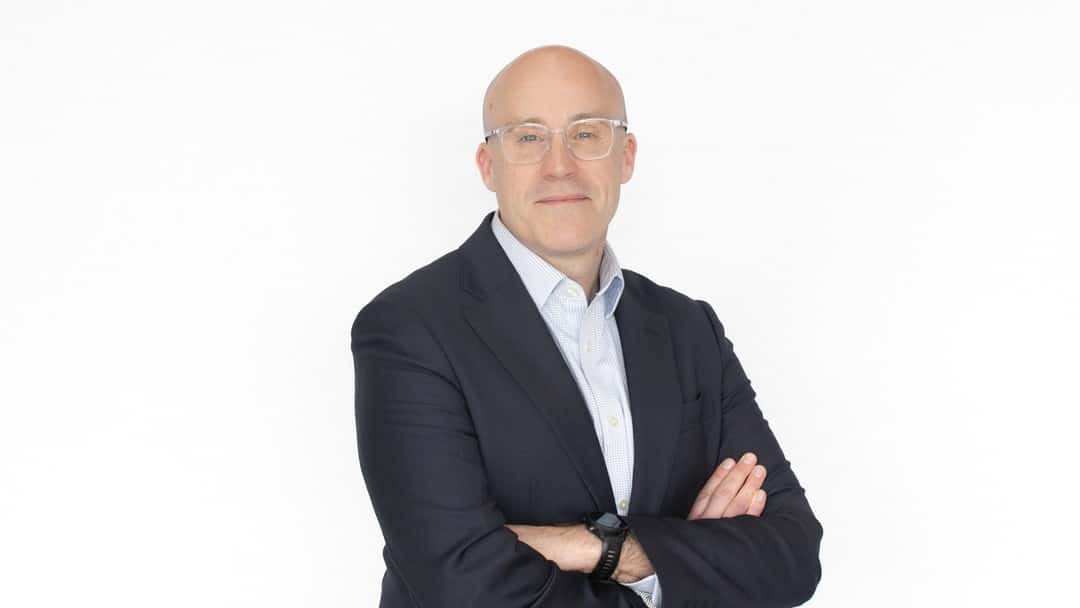
Both Jusan Technologies and Mr Wahid denied the allegations, asserting that Mr Seitayev’s confidentiality breach negated his claim to the payment. However, the Tribunal concluded that his disclosures were legally protected, confirming that the company’s failure to provide the termination amount constituted a detriment. Chris Pavlou, Employment Partner at Excello Law, represented Mr Seitayev and welcomed the Tribunal’s decision, highlighting the importance of safeguarding employees who raise legitimate concerns about wrongdoing.
Mr Seitayev joined Jusan Technologies in 2022 with a contract stipulating a US$600,000 termination payment for resignation under specific conditions, including significant asset reductions. He raised concerns in August 2023 regarding documents he believed indicated improper payments being made to Mr Wahid, which included a US$12 million termination payment and an option for either a 5% shareholding or a US$35 million payment.
After his concerns were ignored, Mr Seitayev resigned on 14 September 2023, stating a significant reduction in company assets as his reason. Following his resignation, he was informed that the termination payment would be made contingent on signing a waiver letter, which he submitted on 2 October 2023. Despite assurances, he was subsequently suspended in November pending an investigation into a supposed breach of confidentiality and was later informed that the payment would only be made if the investigation was resolved in his favour.
The Tribunal's judgment found that Mr Seitayev’s communications qualified as protected disclosures, meeting the statutory criteria under the Employment Rights Act 1996. It recognised that he had a reasonable belief that his concerns were in the public interest, highlighting one or more instances of wrongdoing. Furthermore, it determined that Jusan Technologies' failure to pay the termination amount represented a legally actionable detriment, attributing the withholding of payment directly to Mr Seitayev's protected disclosures.
The Tribunal held both Jusan Technologies Limited and Mr Wahid accountable for the unlawful detriment. A follow-up hearing has been scheduled for 17 September 2026 to determine the appropriate remedy due to Mr Seitayev for the company's actions. The outcome underscores the necessity for organisations to foster a culture where whistleblowing is encouraged and protected, thereby ensuring that employees can voice concerns without fear of retaliation.
 Copyright & permissions