Stockler v Adams: High Court dismisses £432,000 tax relief negligence claim
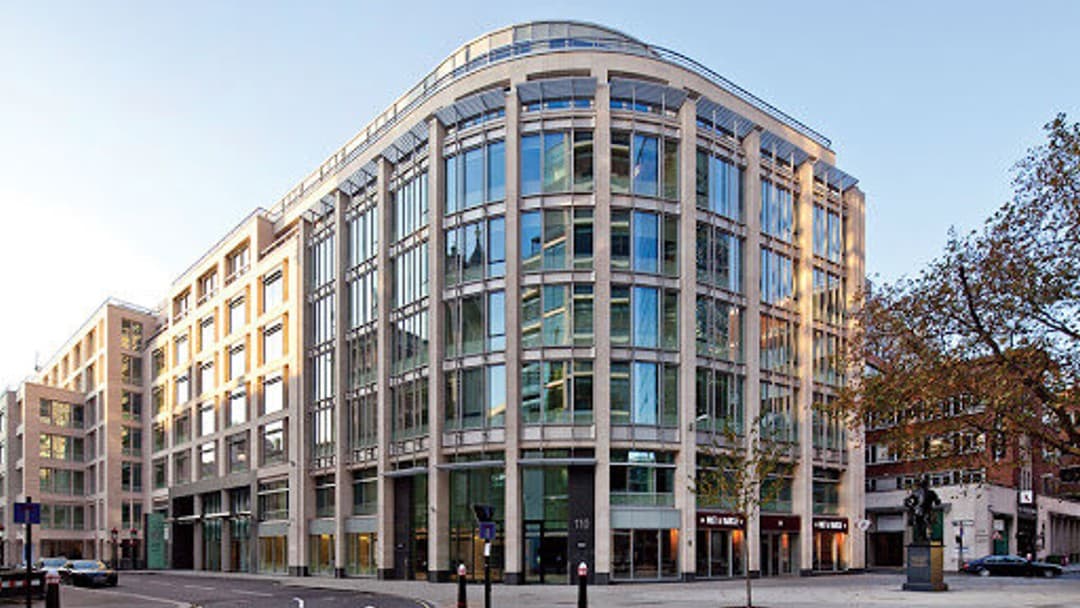
The High Court dismissed a former solicitor’s claim over a property deal that undermined a business premises tax relief appeal.
The High Court has dismissed a claim by a former solicitor and investor who sought damages after a property transaction undermined a limited liability partnership’s appeal for business premises renovation allowance (BPRA), finding that the defendants were not liable for the loss of his tax relief.
In William Thomas Stockler v Joel Matthew Adams & Anor [2026] EWHC 2672 (BP), Lance Ashworth KC held that William Stockler had failed to establish an implied contractual term requiring the defendants to obtain members’ approval before entering into agreements concerning the partnership’s property. The judge also found that Stockler had not proved that the partnership’s tax appeal would have proceeded if the alleged breach had not occurred.
Stockler had invested £400,000 in Beneficial House (Birmingham) Regeneration LLP, which was pursuing BPRA relief in connection with a proposed redevelopment of a property in Birmingham. He later became a designated member of the LLP and acted as its legal adviser on the tax appeal.
The partnership’s development plans encountered difficulties, including the withdrawal of a prospective hotel operator and uncertainty over funding. In 2021, the defendants, Joel Adams and Gregory Caswill, caused the LLP to enter into agreements with Colico concerning the property without first obtaining approval from its members. Stockler argued that the transaction jeopardised the partnership’s outstanding appeal against HMRC’s refusal of its BPRA claim.
After the partnership’s claim failed, HMRC disallowed Stockler’s own tax relief claim, leaving him liable to repay £432,359 plus interest. He brought proceedings alleging negligence and breach of contract, seeking damages for the lost opportunity to retain all or part of that relief.
Implied duty and authority to enter the agreements
The court examined the defendants’ roles in managing the LLP, the partnership’s financial position and the circumstances surrounding the Colico agreements. The central contractual issue was whether the arrangements between the parties contained an implied term of the kind Stockler alleged.
The judge concluded that Stockler had not established that such a term existed. His claim therefore failed at the first stage. The court also considered, in the alternative, whether the alleged duty had been breached and whether the loss claimed had been caused by the defendants’ actions.
The judge held that Stockler had not proved the necessary causal link. The relevant counterfactual was what would have happened if the defendants had sought members’ approval before entering into the agreements. Members might have approved the transaction in advance, in which case the outcome for Stockler would have been unchanged and the tax appeal would not have been pursued.
Although Stockler argued that members might instead have rejected the agreements, the evidence did not establish that this was more likely than not. The judge noted that members had been relatively disengaged and that, when asked to approve the transaction retrospectively, those who voted, apart from Stockler, supported it.
Alternative assessment of the lost chance
The judge also considered the prospects of the underlying tax appeal in case his findings on liability and causation were wrong. He concluded that the partnership would have faced substantial difficulties in establishing qualifying expenditure, particularly because the planned renovation works had not been carried out.
For expenditure that had not actually been spent on the works, he assessed the partnership’s prospects of success at 18.75 per cent before further adjustments. For qualifying sums actually spent, the prospects would have been higher, but the evidence did not provide a sufficient breakdown to calculate the potential recovery.
Ashworth KC dismissed the claim and entered judgement for the defendants. He indicated that costs would ordinarily follow the event, subject to any further submissions on consequential matters.
 Copyright & permissions