ST v Carmarthenshire County Council: High Court refuses judicial review of school closure
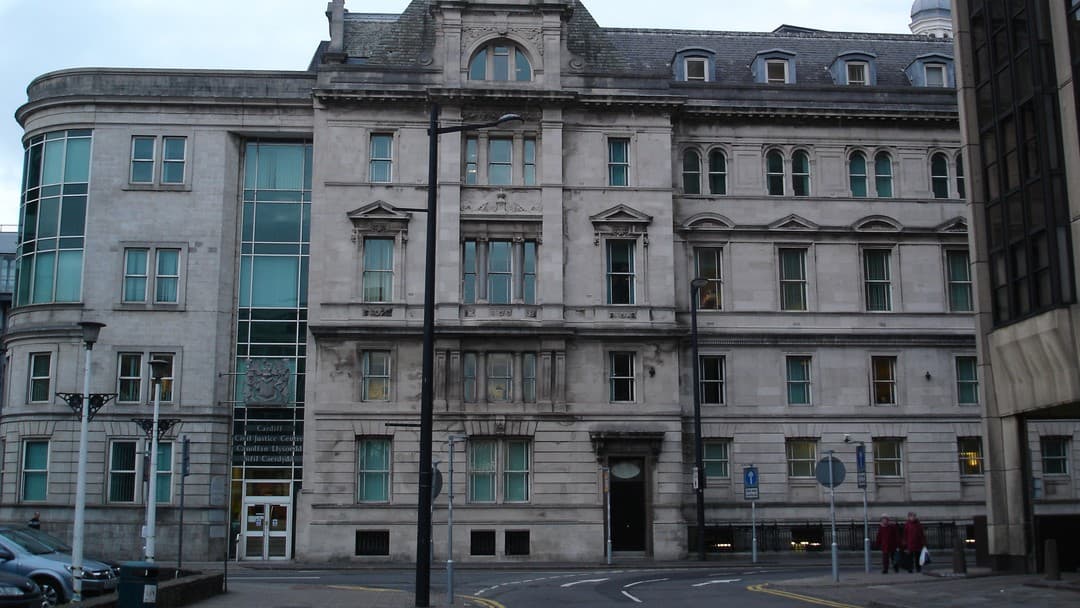
High Court refuses permission for judicial review challenging the closure of a rural Welsh school.
The High Court has refused permission for a judicial review challenge brought by a pupil against Carmarthenshire County Council's decision to close her rural primary school, rejecting arguments that the council relied on outdated financial figures, misunderstood the legal threshold for closing a rural school, and failed to properly consider its socio-economic duty.
In ST, R (on the application of) v Carmarthenshire County Council [2026] EWHC 2038 (Admin), His Honour Judge Keyser KC, sitting in the Administrative Court in Cardiff, dismissed all three grounds advanced on behalf of the claimant, a pupil at Ysgol Llansteffan, following an expedited rolled-up hearing.
The council decided in March 2026 to discontinue the Welsh-medium primary school from the end of August, transferring its catchment area to the neighbouring Ysgol Llangain. The school had fallen to just eight registered pupils by the January 2025 census, triggering a streamlined closure procedure available under the School Standards and Organisation (Wales) Act 2013 for schools with fewer than ten pupils, though pupil numbers had since risen to sixteen by the time of the decision. The council's case rested heavily on the school's high cost per pupil, a growing budget deficit, and significant surplus places, set against a backdrop of a countywide school modernisation programme addressing a projected multi-million-pound shortfall across the wider schools budget.
The first ground alleged that the council acted irrationally by relying on financial calculations that failed to account for rising pupil numbers between the closure proposal and the final decision. Judge Keyser rejected this, finding the claimant's own recalculation rested on a misunderstanding of how per-pupil funding operates, wrongly treating a funding allocation that would follow pupils to any school as a cost that undermined the projected savings from closure. He found no evidence of a material factual error or flawed methodology in the council's approach.
The second ground concerned the Code's presumption against closing rural schools, which states that the case for closure "must be strong". The claimant argued the council had never been advised of this heightened threshold, referring instead only to whether closure was the "most appropriate response". Judge Keyser accepted, after a detailed textual analysis, that the "strong case" wording did amount to a binding requirement despite an apparent absence of bold formatting in the Code's second edition. However, he held that following the Code's detailed procedural requirements, including identifying alternatives, formulating clear reasons and reaching a conclusion that implementation was the most appropriate response, was in substance indistinguishable from applying the strong case test, meaning no error of law had occurred.
The third ground, that the council breached its statutory socio-economic duty by failing to have regard to Welsh Government guidance, was also dismissed. The judge found that although officers had not expressly referenced the guidance at the final meeting, the council's Integrated Impact Assessment had been structured directly around its five-stage framework, and there was no proper basis to infer that councillors had not considered the relevant material.
Even had any ground succeeded, Judge Keyser indicated he would likely have refused a quashing order given the proximity of the school year, the advanced state of transitional arrangements for affected pupils, and the delay in bringing the claim.
 Copyright & permissions





.jpg&w=3840&q=60)