
Scaling back juries won’t fix justice delays
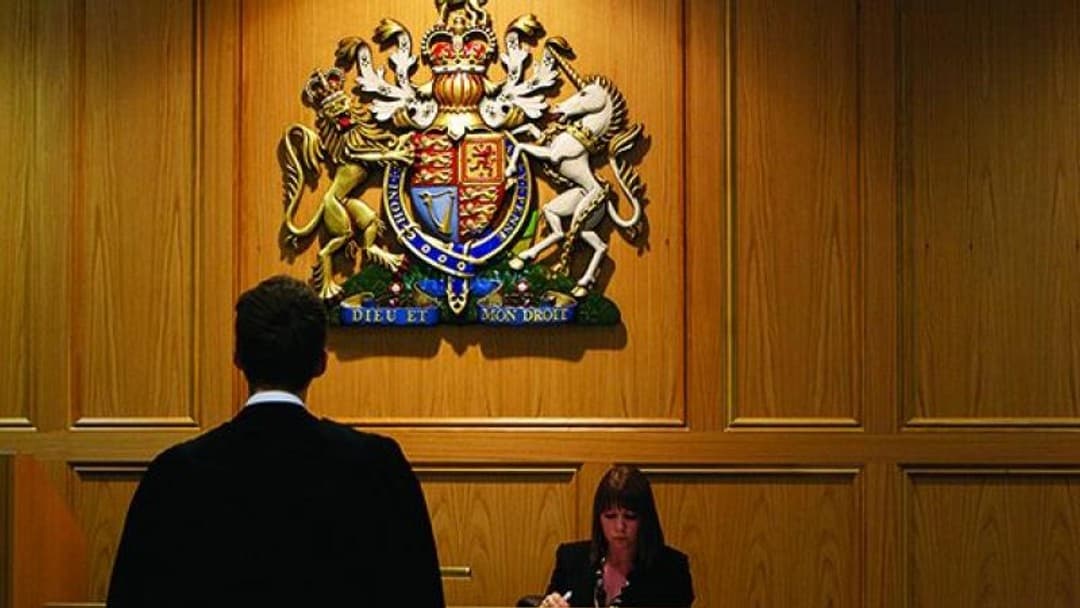
Plans to curtail jury trials disguise ideology as reform and risk undermining centuries of English criminal justice
Like many members of the legal profession, I am gravely concerned by the government’s plans to scale-back jury trials. The Lord Chancellor’s proposals stand to achieve nothing in alleviating criminal justice delays and instead threaten to shift a problem downstream in pursuit of a political agenda.
Nobody with any experience of the criminal justice system in recent years would deny that backlogs are having a severe, detrimental impact on the speed and standard of justice. I am now routinely acting on behalf of clients accused of offences like rape and sexual assault with court dates as distant as 2029 and advising on cases with an excess of five years between arrest and trial. I have seen too many examples of lives ruined by inexplicable delays, which punish defendants prematurely and leave genuine victims of crime in limbo.
I am also under no illusion that jury trials are perfect. As a criminal defence solicitor of over 20 years, I have seen many cases where juries have returned verdicts I thought highly improbable - convicting defendants I was sure would be acquitted, and acquitting others when I believed a conviction was certain. This is the cause of great frustration for many solicitors and barristers, but also one of the particular hallmarks of the jury system. It is a supremely democratic thing that lawyers can present their arguments and the judge can give their directions - but the decision as to a person’s guilt ultimately lies in the hands of 12 of his or her peers.
Juries are evidently not the reason for criminal justice delays - to the extent that it hardly seems worth scrutinising the government’s logic. In my view, the backlogs crisis is simply being used as a convenient excuse for ministers to pursue an ideological objective, which is supplanting hundreds of years of English justice with an inquisitorial, European-style judicial system. This may be described as conjecture or conspiratorialism, but this particular political agenda has been obvious for decades; from the proliferation of human rights law to the rise of ‘lawfare’ activism, some politicians believe in the supremacy of judges - and particularly judges of a certain background and political persuasion. I have no doubt that the present crisis in the courts is simply being used as an expedient excuse to achieve these aims, and ultimately increase the rate of conviction.
If the government were serious about addressing criminal justice delays, then they might have spent the time devoted to their radical reforms on instead developing a workable solution. In my experience, very few trials have been delayed or derailed by issues with a jury, whereas many have suffered as a result of the blundering way our criminal justice system is run. On multiple occasions, I have seen hearings postponed when third-party prison staff failed to transport the defendant to court in time, or where administrative errors meant that translators or witnesses were given the wrong dates, times, or locations to attend. A great many weak or unviable cases are proceeding to court that should not, but there remains perishingly little funding available for most law firms to engage in proactive pre-charge engagement with the police and the prosecution. These are all issues that could be addressed with relative ease, but the government clearly has little interest in doing so.
 Copyright & permissions

-cropped-a0w29ejw.jpg&w=3840&q=60)