Ryan Bailey v R: Court of Appeal cuts sentence where child rape guideline was wrongly applied
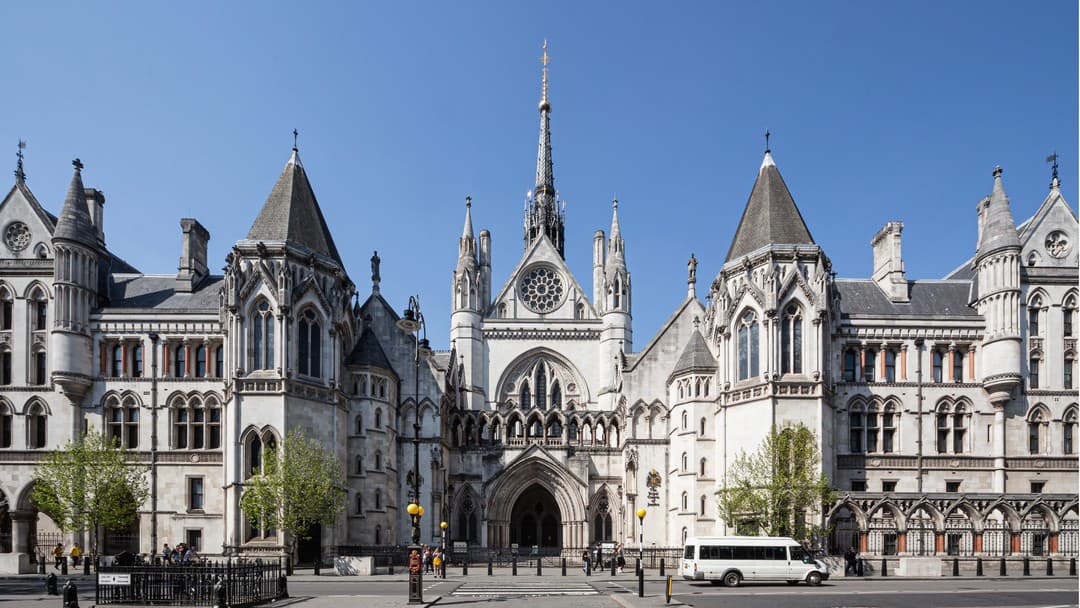
A 19-year-old's sentence for rape of a child under 13 has been reduced from three years and four months to two years' detention after the Court of Appeal held that the sentencing judge erred in applying the Sentencing Council's definitive guideline in circumstances where its own terms indicated it was not appropriate to do so.
Ryan Bailey pleaded guilty in February 2025 at Stafford Crown Court to a single count of rape of a child under 13, contrary to section 5(1) of the Sexual Offences Act 2003. The victim, a 12-year-old girl, had told Bailey she was 17 and would turn 18 on 29 December 2024. She repeated this to Bailey's care home manager during a FaceTime call the day before they met. The prosecution accepted, on the basis of plea, that Bailey genuinely and reasonably believed her to be 17 throughout.
Bailey, who has no previous convictions, has diagnoses of ADHD, depression and complex mental health difficulties arising from childhood trauma. He spent years in foster care before moving into supported living, and a consultant forensic psychiatrist assessed him as presenting with at least a borderline or mild learning disability. A pre-sentence report noted that professionals involved in his care believed he had a mental age considerably younger than his chronological age.
The sentencing judge at Stafford Crown Court placed the offence in harm category 3A of the guideline, reduced it to category 3B in recognition of Bailey's diminished culpability, and then departed further downward to a notional five years before affording full credit for the guilty plea, arriving at three years and four months' detention in a Young Offender Institution with a mandatory extended licence period of one year.
The Court of Appeal, in a judgement delivered by Lord Justice Popplewell, held that this approach was flawed. The guideline itself expressly provides that it may not be appropriate where a sentencer is satisfied, in the absence of exploitation, that a young or particularly immature defendant genuinely believed on reasonable grounds that the victim was 16 or over. The court found that the facts of this case fell squarely within that carve-out, and that in such clear circumstances the sentencing judge was bound to conclude it would be contrary to the interests of justice to apply the guideline's starting points and category ranges.
Applying the approach endorsed in R v Mascall [2022] EWCA Crim 483, the court confirmed that even where the guideline is set aside, its harm and culpability framework remains a useful reference for assessing relative seriousness. It is the starting points and ranges that should not govern the outcome.
On that analysis, the court found it difficult to identify any real culpability on Bailey's part beyond the commission of the strict liability offence itself. The sexual activity had been instigated throughout by the victim, there was no power imbalance, no exploitation, and no culpable lack of responsibility. The respondent's submission that the encounter was opportunistic and therefore more serious was rejected: given Bailey's genuine belief that he and the victim were in a relationship, the description did not fairly apply.
The court was nonetheless clear that a custodial sentence remained necessary, both to reflect the harm inherent in any section 5 offence and to serve the protective and deterrent function that such sentences perform, including for those whose belief in a victim's age involves an element of irresponsible risk-taking.
Weighing those considerations against Bailey's near-total absence of culpability, the court assessed the appropriate notional sentence after trial at three years' detention. Applying full credit for the guilty plea, the custodial term was reduced to two years' detention, with the extended licence period of one year retained as mandatory under section 265 of the Sentencing Act 2020.
Mr B. Williams (instructed by Stevens LLP) appeared for the appellant. Mr H. Gray (instructed by the Crown Prosecution Service) appeared for the respondent.
 Copyright & permissions
.png&w=3840&q=60)








.jpg&w=3840&q=60)